Archive

November 2026

Browsing

As we look toward 2027, the cleantech landscape is undergoing a fundamental transformation driven by an unlikely catalyst: the explosive rise of artificial intelligence. For years, the primary driver of green investment was the pursuit of ambitious climate targets, but that focus has pivoted toward raw supply security. A volatile geopolitical climate involving tensions between the US and Iran has rattled global supply chains and sent oil prices swinging, pushing many cautious investors into a wait and see posture. However, while general funding may feel stagnant, capital is flooding into AI infrastructure and data centers at an unprecedented rate, effectively rewriting the rulebook for energy investment.

This surge in demand is creating a dangerous bottleneck where digital ambition is colliding with physical reality. Governments in North America are scrambling to catch up, with Canada committing billions to double its grid capacity and the US deploying massive grants for transmission upgrades. Despite these efforts, experts warn that there is a widening gap between the money pouring into AI software and the actual electrical grid available to power it. Short term fixes like leased jet turbines are proving insufficient, leading analysts to predict a return to large scale central power plants. Interestingly, this crunch has revitalized interest in gas turbines, which are seeing record order books despite skyrocketing prices and delivery timelines stretching well into the next decade.

Because constraints often spark innovation, investors are now shifting their gaze toward efficiency and stability rather than just generation. Battery storage has emerged as a critical tool for data centers looking to balance their loads without crashing local grids. Similarly, constant baseload power sources like geothermal energy are gaining traction because they provide the twenty four hour reliability that intermittent wind and solar cannot offer alone. While nuclear energy once enjoyed similar hype, particularly regarding small modular reactors, recent cost overruns have left investors feeling skeptical and far more selective about where they place their bets.

There is also a growing concern regarding how concentrated this new wave of capital has become. A handful of massive investments exceeding one billion dollars each have dominated recent trends, leaving much of the broader cleantech ecosystem starved for attention. As we move closer to 2027, the industry must determine if it can diversify beyond these giant AI bets or if it will remain overly dependent on a single sector whose hunger for electricity might eventually outpace what the earth can physically provide.

Silver has once again proven why it is known as one of the most volatile assets in the commodities market. After an explosive start to the year that saw prices soar to a historic peak of over 120 dollars per ounce in January, the metal has experienced a sharp correction. Now trading around the 43 dollar mark, the sudden drop has left the industry divided between those who see a worrying downward trend and opportunistic investors looking for a bargain entry point.

The current instability was a primary focus at the recent Gold Advisor Network Summit, where experts and industry leaders gathered to discuss the implications for mining companies and exploration firms. Peter Krauth of Silver Stock Investor joined several executives to analyze whether this dip is a temporary setback or part of a larger shift in market sentiment. For many operators, these fluctuations create a challenging environment for planning long term capital expenditures and managing operational costs.

Executives from various stages of production shared their perspectives on navigating this turbulence. Representatives from companies including Silver North Resources, Prince Silver, Avino Silver and Gold Mines, and Pacifica Silver discussed how they are adapting their strategies to remain resilient despite the pricing swings. While higher prices provide an easy path to profitability, these lower levels test the efficiency and viability of projects across the sector.

Ultimately, the conversation among specialists suggests that while short term volatility can be jarring, the fundamental value of silver remains a key driver for explorers. As miners adjust their expectations to match current market realities, all eyes remain on whether silver can reclaim its earlier momentum or if it will settle into a more stable but modest range for the remainder of the year.

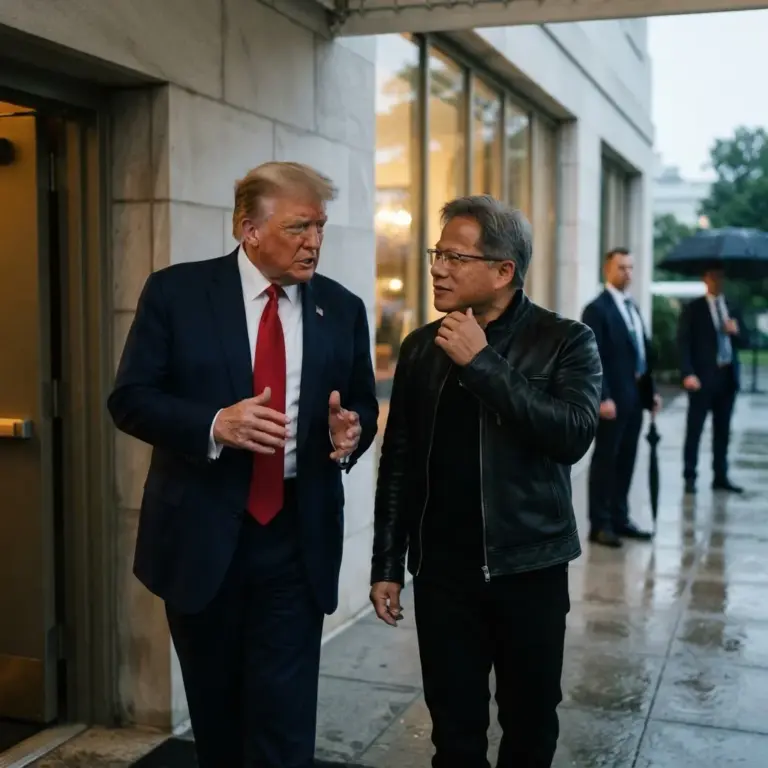
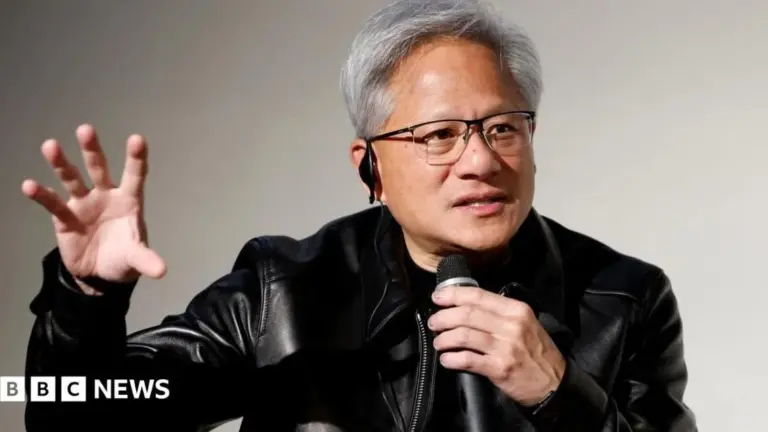
For a fleeting moment following the 2026 midterms, it appeared that President Donald Trump had entered a period of genuine decline. A sweeping Democratic victory suggested a public rejection of his agenda, while the sudden ouster of Nvidia CEO Jensen Huang seemed to signal the end of an era where a tight knit circle of tech billionaires and venture capitalists steered the ship of state. Huang, perhaps the most influential private citizen in the global economy, had fallen from grace amid allegations of workplace affairs and ties to a suspected Chinese operative. However, that narrative shifted abruptly when Nvidia announced Huang’s return just eleven days later, proving that the alliance between Trump and the tech right remains an indomitable force.

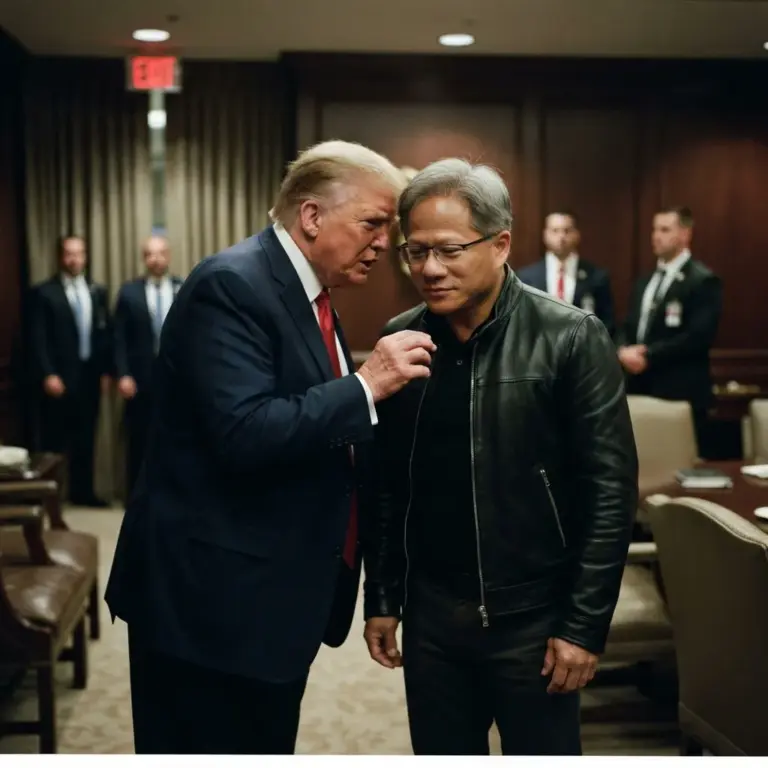
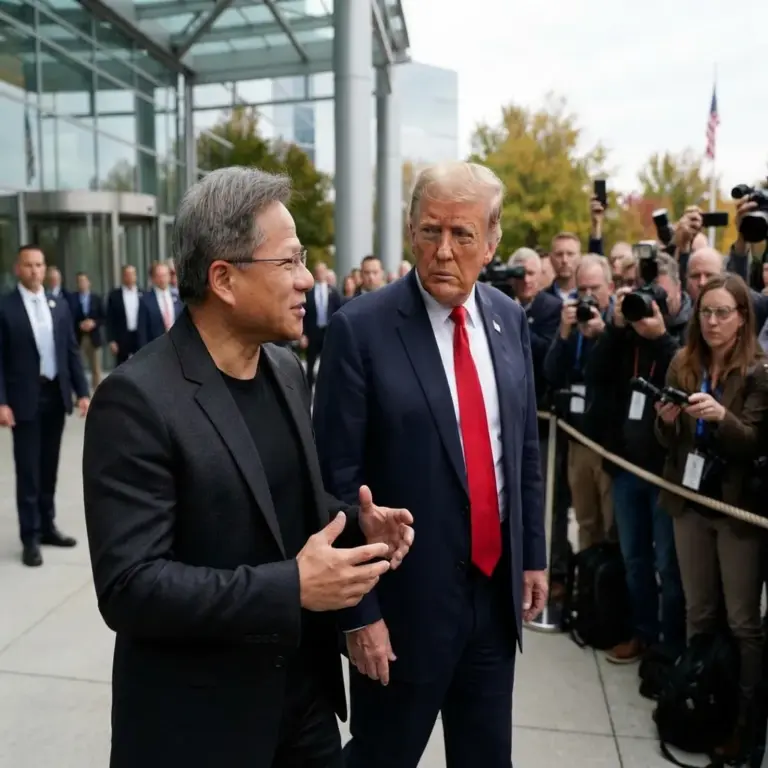
The restoration was less a corporate decision and more a presidential directive. In a candid interview with CNBC, Trump admitted he personally intervened during an Nvidia board meeting to secure what he described as a deal to bring Huang back. To soothe national security anxieties, the White House issued assurances that Huang posed no risk to the country, a claim Trump amplified on Truth Social by calling him a great patriot and national treasure. This high stakes flex of power was cheered by allies like Elon Musk, who framed the move as correcting a mistake. While critics saw it as an alarming disregard for ethics and security, Trump argued that leaving Huang sidelined actually endangered America by potentially driving him into the arms of Beijing.

Beyond politics, there was a clear economic motive behind this dramatic reversal. With AI stocks reeling and fears of a bubble burst looming over Wall Street, Huang’s return acted as an immediate financial adrenaline shot. Within minutes of trading opening on Monday, Nvidia’s valuation surged by roughly thirty three percent, adding nearly one trillion dollars in market value almost instantly. By prioritizing market stability over scandal, Trump demonstrated terms of governance where loyalty and economic optics outweigh traditional norms of accountability.

Yet this victory may be precarious despite the initial euphoria. As Democrats prepare to seize subpoena power in Congress, leaders like Chuck Schumer and Elizabeth Warren have already vowed rigorous investigations into whether national security was traded for financial gain. Furthermore, resentment continues to simmer among Republican China hawks who view Huang’s business dealings abroad as fundamentally dangerous regardless of his relationship with the president. For now, Jensen Huang is back in control through sheer political willpower, but he returns to find himself at the center of an intensifying storm in Washington.

Republican lawmakers are weighing a high stakes gamble to secure critical military funding by agreeing to limits on the administration’s ability to conduct offensive operations in Iran. With the Pentagon facing a potential funding freeze, Senate leaders from both parties are locked in negotiations to replenish tens of billions of dollars in urgent defense spending. The deal would effectively trade financial resources for tighter constraints on President Trump’s war powers, creating a precarious balancing act for GOP members who are hesitant to cross the president but desperate to avoid leaving the military underfunded.

The urgency of the situation is compounded by a deeply fractured Congress and a ticking clock toward next month’s stopgap funding deadline. While some Republicans like Senator Josh Hawley have expressed openness to a compromise, others worry that conceding to Democratic demands could hamstring national security or trigger an outburst from the White House. Adding to the tension is a brewing leadership contest within the Democratic party, which some Republicans believe has pushed Minority Leader Chuck Schumer toward a harder line on defunding Iranian conflicts.

Adding fuel to the fire is a growing sense of distrust between Capitol Hill and the Pentagon. Lawmakers from both sides of the aisle have voiced frustration over how Defense Secretary Pete Hegseth and other top officials have handled funding requests. Senator Tim Kaine suggested that repeated and confusing budget submissions have made it difficult for Congress to identify truly urgent needs, arguing that much of what the Pentagon wants is important but not immediately necessary for tomorrow’s operations.

Despite these frictions, GOP leaders acknowledge they lack the votes to pass a funding bill on a purely partisan basis. This reality leaves them with few options beyond finding common ground with Democrats before a government shutdown becomes inevitable. As deputy Defense Secretary Steve Feinberg continues to lobby lawmakers behind closed doors, the ultimate outcome remains uncertain, resting on whether Republicans can protect troop safety without alienating their own president.

President Donald Trump is launching a preemptive strike against the incoming Democratic majority in Congress, attempting to shield his administration from investigations into alleged corruption through a sweeping new executive order. The directive warns federal contractors and businesses that they must coordinate all communications with the White House and adhere to executive privilege when dealing with congressional inquiries. Those who refuse to comply face severe consequences, including the potential cancellation of government contracts or total suspension from doing business with the state.

Incoming House Judiciary Committee head Jamie Raskin has dismissed the move as legally toothless, comparing the order to an internal office memo rather than a binding piece of federal law. Speaking on CNN, Raskin argued that the Constitution remains on the side of congressional oversight and accused the president of issuing a lawless royal edict intended to cover up bribes and insider influence. This clash signals a volatile start to the new legislative session, as Democrats prepare wide ranging probes into everything from White House construction projects to the origins of conflicts abroad.

The administration is doubling down on its defensive posture with strategic appointments designed for combat, placing figures like Stephen Miller in key roles to push back against Democratic efforts. By expanding his claim of executive privilege, Trump is utilizing a familiar playbook of leveraging legal complexities to delay accountability. However, this puts private corporations in an impossible position, forcing them to choose between risking current revenue streams by defying the White House or alienating future lawmakers who may hold power once Trump leaves office.

While Trump has occasionally hinted at potential cooperation with Democratic leaders on issues like healthcare and immigration, those olive branches appear fragile given his continued verbal attacks on party leadership via social media. For Democrats, the struggle is twofold: they must address urgent voter concerns regarding inflation while simultaneously fulfilling a perceived mandate to rein in presidential power. As both sides dig in, the resulting legal battles will likely test whether the courts still serve as the final arbiter of where presidential secrecy ends and public transparency begins.

President Donald Trump is facing significant backlash after taking the extraordinary step of pressuring Nvidia’s board to reinstate Jensen Huang as CEO. Coming on the heels of a bruising midterm election cycle that left Democrats poised for historic congressional majorities, the intervention sees the president spending precious political capital on a gamble involving one of the world’s most influential tech leaders. The decision follows a period of turmoil for Huang, whose tenure was marred by reports of multiple affairs, including one with a woman suspected by U.S. officials of having ties to Chinese intelligence.

In a candid interview with CNBC, Trump admitted he spoke directly with Nvidia’s board to facilitate Huang’s return, asserting that current evidence suggests the executive is not a national security risk. This move highlights several hallmarks of Trump’s governance, specifically his obsession with stock market performance and his tendency to sympathize with powerful figures embroiled in personal scandals. However, critics argue that using government influence to steer corporate personnel decisions contradicts his own party’s rhetoric against socialist-style state interference in private business.

The reinstatement has sparked immediate friction within the Republican party, as senators express confusion over the haste of the decision. Some GOP lawmakers pointed out that just days prior, Nvidia’s board had expressed no intention of bringing Huang back, citing a lack of candor and inappropriate relationships with subordinates. Senator Pete Ricketts noted that such behavior typically warrants termination rather than restoration, suggesting that the pressure from the White House may have overridden standard corporate governance and ethical considerations.

The risks extend beyond politics into matters of global security. With reports surfacing that Huang’s associate maintained contacts with China’s civilian spy agency, members of Trump’s own cabinet are reportedly uneasy about potential leaks regarding advanced semiconductor technology. By shielding Huang now, Trump may have inadvertently invited intense scrutiny from the incoming Congress and created deep rifts within his own administration between those prioritizing market stability and those focused on counterintelligence. If future investigations reveal that Huang was indeed compromised, the president will find himself defending an appointment tied to a massive breach of national security at a moment when his allies are less inclined to protect him.

President Donald Trump orchestrated a sweeping and secretive pressure campaign over a single weekend to ensure Jensen Huang was reinstated as the CEO of Nvidia, according to sources familiar with the matter. The intervention came after a deepening stock market sell-off left the president convinced that only Huang’s leadership could stabilize the economy. Just eleven days after resigning amid a scandal involving alleged links to Chinese intelligence through a personal relationship, Huang was placed back at the helm of the AI giant following an unprecedented series of directives from the West Wing.

The operation was led by Vice President JD Vance, who utilized his connections in Silicon Valley to lean on Nvidia’s board of directors. While intelligence agencies had raised concerns regarding Huang’s association with Alice Huang, an executive linked to Chinese interests, top administration officials worked quickly to dismiss these risks. In a direct breach of traditional corporate boundaries, President Trump personally phoned the board to vouch for Huang, framing him as an indispensable asset whose presence was vital for American economic dominance and the ongoing artificial intelligence boom.

This sudden reversal follows a period of intense volatility for Nvidia and the broader markets. After promoting CFO Colette Kress to the top spot, investors remained uneasy, leading Trump to briefly consider pushing for former Apple CEO Tim Cook to step in. However, upon returning from a trip to Asia where he noted that Chinese leader Xi Jinping held Huang in high regard, Trump decided that bringing back his ally was the only viable path forward to avoid what he feared could be another historic financial collapse reminiscent of the Great Depression.

Despite previous public statements from Nvidia’s board claiming that Huang’s conduct violated company norms and ethics, they capitulated Sunday night after receiving heavy input from senior government levels. The restoration of Huang has been celebrated by allies such as Elon Musk but continues to fuel criticism among lawmakers who are investigating whether national security protocols were ignored for the sake of stock prices. For now, however, the administration considers the mission accomplished, viewing Huang as one of America’s great stars returned to play.

Jensen Huang has been reinstated as the CEO of Nvidia following a high profile period of turmoil and a direct push from President Donald Trump. The move comes after a whirlwind few weeks that saw Huang resign amid allegations of poor judgment regarding personal relationships and lingering concerns over national security. In a conversation with CNBC, President Trump described the reinstatement as exciting news, admitting he spoke with the company’s board both directly and indirectly to advocate for Huang’s return. While acknowledging that some lapses in judgment occurred, the president emphasized that those incidents were largely unrelated to the core mission of the company and insisted that Huang is a genius whose contributions are invaluable to the country.

The path back to leadership was not without significant friction, particularly given previous warnings from Secretary of State Marco Rubio concerning Huang’s ties to an individual alleged to be a Chinese spy. Despite these red flags and reports of inappropriate workplace conduct, Trump dismissed the intelligence threats as unproven and claimed to have provided the necessary assurances to the board. This intervention sparked immediate backlash from political opponents, including Senator Elizabeth Warren, who labeled the decision reckless. Warren argued that reinstating Huang underscores an urgent need for stricter bipartisan export controls to ensure that critical artificial intelligence technology does not end up in the hands of foreign adversaries.

Internal divisions within the Republican party further complicated the narrative, with some lawmakers arguing that Nvidia should have simply moved forward without its founder rather than succumbing to presidential pressure. Critics suggest that prioritizing one man’s career over stringent security protocols could jeopardize the United States’ lead in the global AI race. However, market reactions tell a different story, as Nvidia shares surged following the announcement. For many investors, the sheer amount of capital tied up in AI infrastructure makes Huang’s technical expertise more important than his personal controversies.

Beyond the boardroom drama, this reversal occurs against a backdrop of broader instability in the tech sector and shifting political winds following recent midterm elections. With trillions of dollars projected for AI investment over the coming years, there is growing skepticism among economists about whether these massive bets will eventually yield real profits. While Huang expressed honor at returning to serve his shareholders and employees, his comeback leaves several open questions regarding how Nvidia will navigate increasingly strict U_S government licensing requirements for selling advanced chips to Chinese firms moving forward.

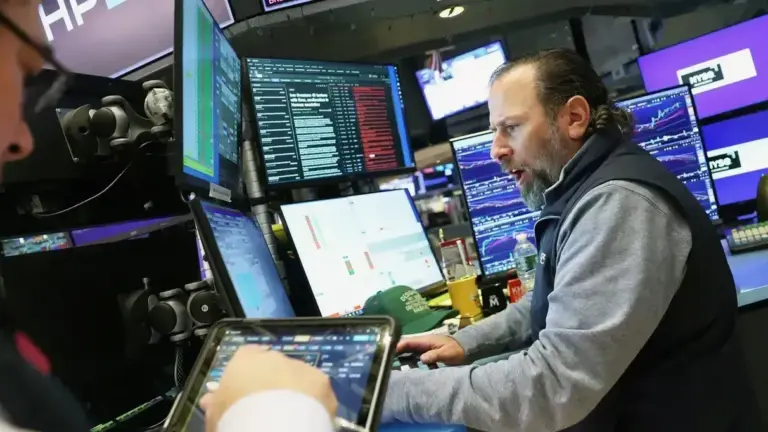
Wall Street staged a dramatic recovery on Monday as investors rushed back into artificial intelligence and data center stocks, effectively erasing much of the panic from a devastating previous week. The rally was ignited by an unexpected announcement from Nvidia, where the board officially reinstated Jensen Huang as CEO. This move sent shockwaves through the market in the best way possible, propelling Nvidia shares upward by 35 percent and lifting other semiconductor giants like AMD and Broadcom along with it.

The surge provided a necessary lifeline to major benchmarks that had just spiraled into correction territory. Only days prior, the Nasdaq Composite had suffered its worst weekly performance since March 2020, while the S&P 500 plummeted more than eight percent in five days. On Monday, however, the mood shifted entirely. The Dow Jones Industrial Average leaped over 1,600 points and the Nasdaq 100 jumped more than seven percent as traders abandoned their caution and bet heavily once again on the future of AI hardware.

This optimism extended beyond chipmakers to include neocloud providers and data center operators such as CoreWeave and IREN, both of which saw double digit gains during early trading. While some volatility lingered around Anthropic following its record breaking debut on the Nasdaq, the overall sentiment turned bullish overnight. Investors seemed convinced that Huang’s return provides the stability needed to steer the industry through recent scandals and uncertainty.

Despite the celebratory atmosphere on trading floors, analysts warn that there are still significant hurdles ahead this week. Markets remain on edge awaiting critical inflation data from the Bureau of Economic Analysis this Wednesday. With traders anticipating a potential interest rate hike in December, today’s explosive growth may be tested by whether actual economic indicators can support these soaring valuations in the long term.

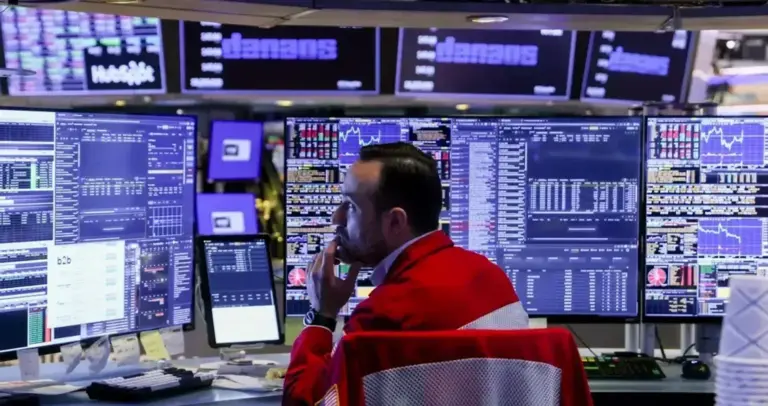
Wall Street experienced a massive relief rally on Monday as investor confidence surged following the unexpected announcement that Jensen Huang has been reinstated as CEO of Nvidia. The move sent major indices skyrocketing, with the S&P 500 climbing as much as 5.6 percent and the Nasdaq 100 leaping nearly 8 percent. Even the Dow Jones Industrial Average joined the frenzy, surging by as many as 1,600 points. The reaction was so intense during premarket trading that the Nasdaq briefly triggered a volatility halt, signaling just how desperate traders were to pivot away from last week’s dismal performance.

The sudden reversal comes after a brutal stretch for AI-linked stocks that had pushed several major benchmarks into correction territory. Just days ago, markets were reeling from a combination of poor debuts for emerging AI firms and a leadership crisis at Nvidia involving personal scandals and national security concerns surrounding Huang. Those worries had wiped billions in value off the tech sector, leaving Nvidia shares down significantly from their peaks. However, Monday’s reinstatement acted as a catalyst for optimism, pushing Nvidia’s stock up roughly 30 percent and adding nearly one trillion dollars in market value in a single session.

This wave of enthusiasm extended far beyond Nvidia itself, lifting an entire ecosystem of hardware and infrastructure providers. Companies like Dell Technologies and various semiconductor manufacturers saw double digit gains as investors bet that Huang’s return would stabilize the industry and reignite growth in data center expansion. This ripple effect reached global shores as well, sparking gains across European markets in Germany, France, and the United Kingdom, while helping Asian indexes recover from earlier lows.

Despite the celebratory mood on Trading floors, some veteran analysts are urging caution. While figures like Ed Yardeni believe we are seeing a healthy correction rather than the start of a full scale bear market, others warn that volatility could persist for weeks before a true floor is established. With investigations by the Securities and Exchange Commission reportedly looming over Nvidia due to previous leadership turmoil, some observers suggest that while the immediate panic has subsided, the road to total stability remains uncertain.