Archive

November 8, 2026

Browsing

The current volatility in the precious metals market has left many investors questioning whether now is the ideal moment to increase their holdings. Adrian Day, the president of Adrian Day Asset Management, remains bullish on the long term prospects of gold but warns that those rushing in might find prices dipping even further in the short term. While the metal continues to be a cornerstone for diversified portfolios, Day suggests a nuanced approach depending on an investor’s existing exposure.

For those who currently have no footprint in gold stocks, Day believes there is a strong case for entering the market immediately. He noted that if he were starting from scratch today, he would certainly look to begin buying within the week to capture potential upside. This suggests that despite some immediate instability, the underlying value proposition of gold remains attractive enough to justify taking a position now rather than waiting indefinitely.

However, for seasoned investors who already maintain substantial positions, patience may be the more rewarding strategy. Day indicates that there is room for another decline, suggesting that prices could potentially slide toward 3,600 dollars per ounce. By holding back additional capital for now, these investors can wait to see how deep the correction goes before adding more weight to their portfolios at a lower entry point.


Lobo Tiggre, the chief executive of IndependentSpeculator.com, has traditionally used the New Orleans Investment Conference as a platform to unveil his most confident trade for the coming year. However, this time around, Tiggre is taking a more conditional approach, tying his primary recommendation for 2027 to the stability of gold prices and their ability to maintain a threshold of 4,000 dollars per ounce.

According to Tiggre, silver emerges as the clear frontrunner for his top pick if gold manages to hold its ground at that critical level. He views the relationship between these two metals as a key indicator for future growth, suggesting that strength in gold could pave the way for silver to outperform other assets over the next few years.

The outlook shifts significantly if those price levels fail to hold. While Tiggre noted that he might still begin purchasing during a downturn, he cautioned that neither metal would remain his top priority due to uncertainty regarding recovery timelines. In such a scenario, he expects to pivot his focus back toward uranium as the more attractive play for investors looking for high conviction trades heading into 2027.

In the wake of a significant political shift, Michael Smerconish is challenging the traditional narrative surrounding the 2026 midterm elections. While many analysts have spent their time dissecting party loyalty and base mobilization, Smerconish argues that these perspectives miss the real story. According to his latest analysis on CNN, the surge in Democratic victories was not merely a result of partisan enthusiasm but was driven by a silent majority of undecided citizens.

Smerconish suggests that independent voters remained largely overlooked during initial post-election breakdowns despite being the actual decisive force behind the blue wave. By stepping away from strict ideological lines, these swing voters acted as the ultimate kingmakers, tipping scales in key districts and statewide races where narrow margins determined the outcome. This trend indicates a growing detachment from rigid party platforms among a critical segment of the electorate.

The implications of this shift suggest that neither major party can rely solely on their core supporters to maintain power moving forward. As independents continue to exert more influence over national trajectories, candidates may find themselves forced to pivot toward more moderate or pragmatic appeals to capture those who feel alienated by extreme polarization. For now, however, Smerconish maintains that ignoring these nonpartisan actors leaves observers with an incomplete understanding of why the map changed so drastically this cycle.

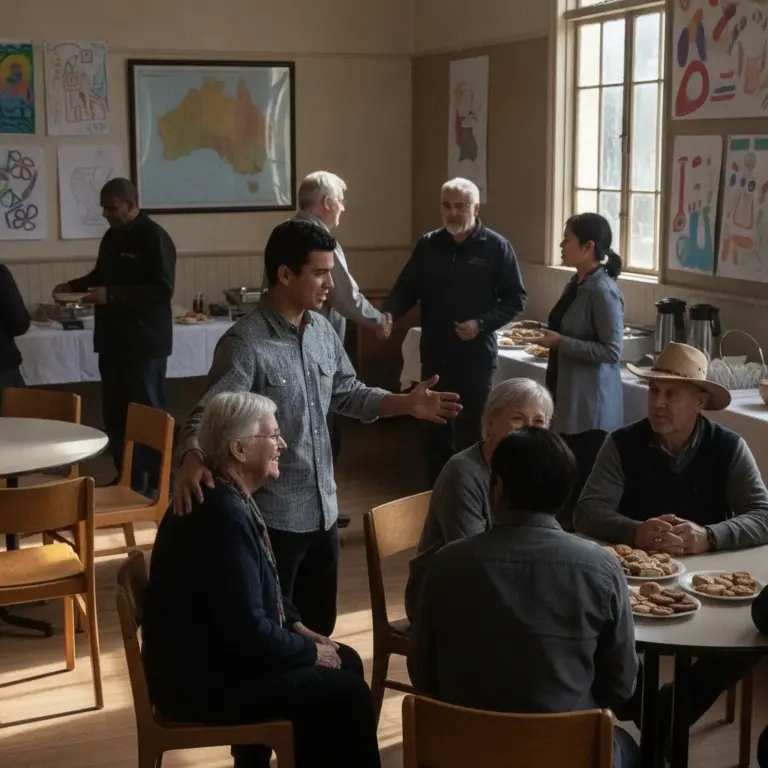
For years, the global political landscape has been defined by leaders who treat grievance as a weapon. From Donald Trump’s promise of retribution to the rise of populists in Europe and South America, the strategy has remained consistent: find a pocket of anger, amplify it, and offer yourself as the sole champion of the forgotten. In Australia, this trend is mirrored in figures like Pauline Hanson, whose perceived authenticity stems not from policy expertise but from a willingness to speak the language of those who feel abandoned by the establishment. When people believe someone finally hears them, they are often willing to overlook a lack of administrative capability.

However, recent shifts suggest that there is a more potent alternative to the politics of division. A new wave of democratic movements is proving that listening and responding to genuine hardship is far more effective than fueling rage. While some politicians rely on carefully manicured talking points and vague assurances that they know people are hurting, these phrases often ring hollow. For citizens struggling with social depression and economic anxiety, being spoken to like a data point on a whiteboard creates a chasm between the governed and those who govern. True representation requires moving beyond scripted empathy toward actual engagement.

The danger currently facing Australian democracy is an intensifying isolation within the corridors of power. As security increases and access becomes restricted by IDs and pre-bookings, politicians are retreating into bubbles that filter out any challenging perspectives. Recent reports indicate a plummeting level of trust, with nearly half the population believing their representatives simply do not understand people like them. When officials prioritize party loyalty or reelection over difficult conversations with their constituents, they leave a vacuum that populist authoritarianism is happy to fill.

Breaking this cycle requires a fundamental return to the essence of representative democracy: actually representing people rather than just managing them. There have been successful blueprints for this in the past, such as when former Queensland Premier Peter Beattie took cabinet meetings on the road and held open forums to explain both costs and benefits directly to the public. Similarly, community independents are now demonstrating that locally embedded models of engagement can challenge top-down party structures. If leadership continues to favor distance over dialogue, they risk losing an entire generation to cynicism; if they choose to truly listen, they may find a way back to legitimacy.

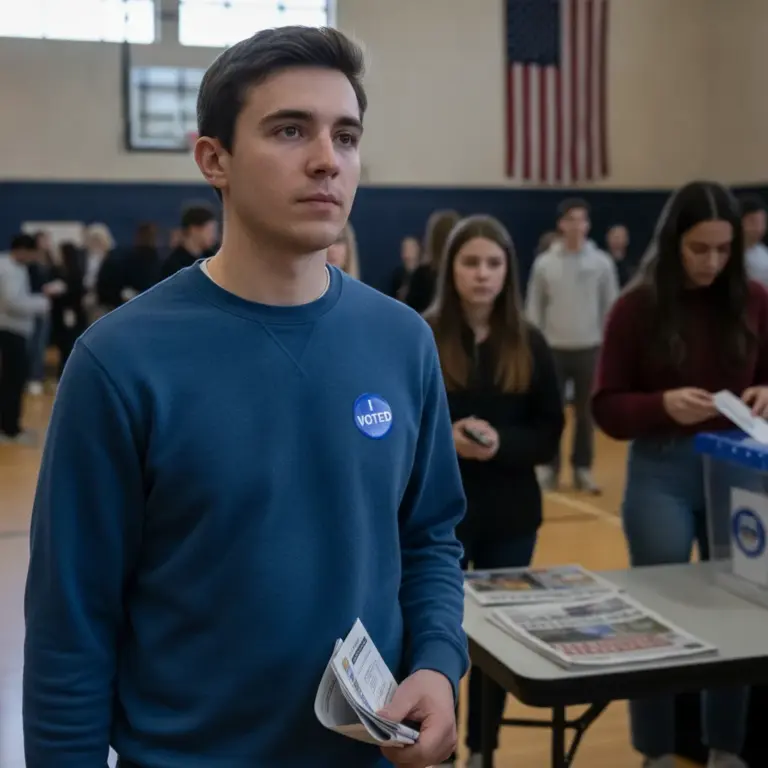
Andy Soma used to skip elections entirely, feeling disconnected from a political system that didn’t seem to speak his language. But the twenty four year old PhD student at North Carolina State University decided this year was different, casting his ballot for Democrat Roy Cooper as a way to finally take a stand. For Soma, the breaking point was a mixture of economic frustration and disappointment over President Donald Trump’s military engagement with Iran, reflecting a broader trend seen across the country where young voters have decisively pivoted away from the GOP.

Recent data shows that voters under thirty shifted toward Democrats by double digits in nearly every major Senate race compared to two years prior. According to an AP Voter Poll of over one hundred thousand midterms participants, roughly three quarters of these young voters supported their local Democratic candidates. This represents a staggering reversal from the 2024 presidential cycle, where Gen Z was largely split between Trump and Kamala Harris. While Trump previously successfully courted young men through appearances at UFC matches and popular podcasts, that cultural alliance appears to have crumbled under the weight of rising inflation and controversial foreign policy decisions.

The motivation for this shift is often deeply personal rather than purely ideological. In Ohio, twenty eight year old Corey Herzog describes the grueling reality of balancing a retail job and bartending while trying to start a small business and save for a home in an unforgiving economy. Many students expressed similar sentiments, citing a profound gap between the president’s optimistic rhetoric regarding the economy and the actual material struggles they face daily. Even within the party ranks, some college Republican groups have openly blamed the Trump administration for their losses, claiming young conservatives were simply not given what they were promised.

Despite this landslide victory for Democrats among youth, political analysts warn against assuming these voters are now locked in as lifelong partisans. John Della Volpe of the Harvard Kennedy School notes that this generation remains essentially up for grabs because their loyalty is tied closely to their anxiety about the future. With high costs of living and skepticism toward leadership remaining primary drivers, the current surge of democratic support may be less about party loyalty and more about a visceral reaction to failed promises. Whether this momentum lasts depends entirely on whether those voting today feel their lives actually improve tomorrow.

As a thick fog settled over Wellington on Saturday, the atmosphere among voters mirrored the gloomy weather. The energy was described as flat, characterized by a heavy sense of apathy and dread that seems to have permeated much of the country. While some dismissed the negativity as a product of the capital city bubble, broader polling suggests a deep systemic disillusionment. Faith in politics has plummeted, with more than half the population no longer viewing New Zealand as a land of opportunity, fearing instead that the future holds only further decline.

This widespread cynicism is rooted in a crushing combination of economic hardship and failing infrastructure. From skyrocketing rents and grocery prices controlled by a supermarket duopoly to a healthcare system plagued by chronic understaffing and tragic failures, many citizens feel abandoned. Young people are particularly hard hit; unemployment for those under twenty four is at a thirty year high, leaving many qualified tradespeople without a single interview after months of searching. This desperation has fueled a record breaking exodus, with roughly one hundred and eighty people fleeing the country every day in search of stability abroad.

The electoral results reflect this volatility, as voters deserted traditional major parties in droves. Neither side secured a clear mandate, allowing smaller players like the Greens, the Act Party, and the previously seatless Opportunity Party to surge forward. Quilae Wong of the Opportunity Party celebrated her victory as a sign that Kiwis want to fundamentally change how their country is governed. However, winning seats is only the beginning for any incoming administration tasked with healing these divides.

Beyond the economy, social cohesion is fraying under the weight of polarized debates surrounding Maori rights and LGBTQ plus healthcare. Many marginalized communities report feeling like political footballs used for leverage rather than being treated as citizens in need of support. As New Zealand stands at this critical crossroads, any new governing coalition will face an uphill battle to convince its people that remaining in their homeland is no longer a punishment but once again a privilege.

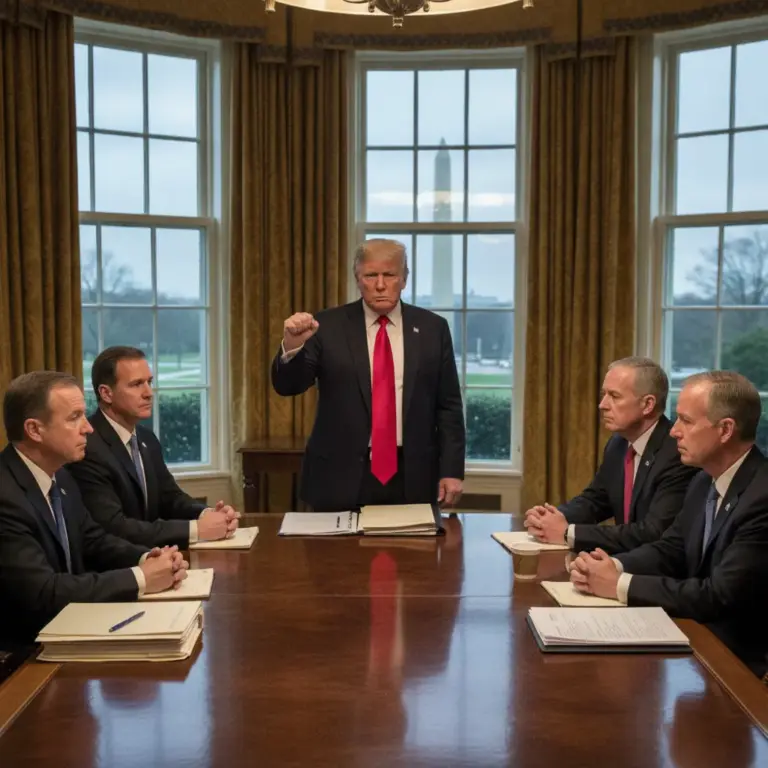
President Donald Trump is already drawing a line in the sand as he prepares for a new era of divided government. Following a sweeping Democratic victory in the midterm elections, the president signaled that he will not quietly accept congressional investigations or potential impeachment proceedings targeting members of his administration. In a move that underscores the escalating tensions, Trump revealed he has ordered the Justice Department to look into those lawmakers pushing for these probes, setting the stage for a high stakes legal and political confrontation between the executive branch and the legislative majority.

The shift in power is triggering immediate upheaval within the West Wing, where staffers describe an atmosphere reminiscent of the early chaos of Trump’s first term. The president has once again overhauled his inner circle, appointing immigration hardliner Stephen Miller as his newest chief of staff. This transition marks Trump’s sixth person in that role across two terms. Adding to the unconventional nature of current staffing efforts, Trump claimed on social media that he offered the press secretary position to UFC CEO Dana White, although sources indicate White turned down the offer.

While Washington grapples with internal restructuring, several critical races remain undecided. Attention is currently focused on Mississippi and Alaska, where Senate counts continue under heavy scrutiny. In Mississippi specifically, officials are working through piles of provisional ballots, including many student votes from Jackson State University that were ultimately rejected due to registration errors. These lingering results leave both parties waiting to see exactly how large their respective majorities will be as they prepare for a contentious session.

Beyond the personnel shifts and tallying votes, leadership struggles are emerging within the victorious Democratic camp. While Minority Leader Chuck Schumer believes he will maintain control of his caucus, some newly elected members have voiced opposition to his leadership, suggesting that who leads the new majority remains an open question. Meanwhile, international observers note that adversaries like Iranian hardliners are already attempting to leverage these domestic electoral losses to pressure the president into making concessions regarding foreign conflicts.

Anthropic is stepping into the public spotlight at perhaps the worst possible moment for the artificial intelligence industry. The company is currently preparing for a massive Nasdaq debut slated for mid-November, but it does so against a backdrop of intense political hostility. While early whispers suggested a valuation as high as two trillion dollars, current estimates have cooled to between one and 1.5 trillion dollars, reflecting a broader market downturn that has hammered chipmakers and cloud infrastructure providers alike.

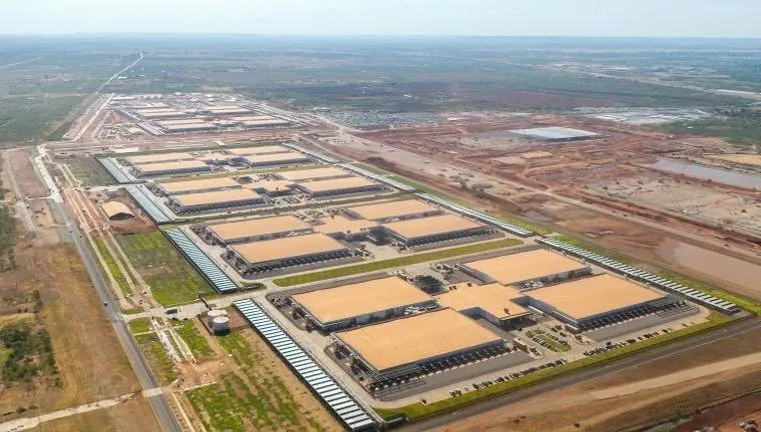
The timing is particularly precarious following Tuesday’s midterm elections, where American voters delivered what can only be described as a stinging rebuke of the AI boom. In key states like Texas, Georgia, Ohio, and Michigan, candidates running on platforms of strict AI regulation won decisively. Most tellingly, local communities crushed data center initiatives in 40 out of 41 contested cases. According to an NBC News exit poll, more than half of voters cited these sprawling facilities as a primary driver in their choice of congressional candidates, viewing them less as hubs of innovation and more as monuments to corporate greed that threaten local utilities and environments.

For years, Anthropic has attempted to distance itself from the brash image of its rivals by positioning itself as the safety conscious alternative to OpenAI. By focusing primarily on business contracts rather than consumer apps, CEO Dario Amodei managed to keep his company out of the daily headlines. However, going public changes the math entirely. Transitioning to a listed company forces a level of transparency and visibility that makes anonymity impossible, effectively turning Anthropic into the public face of an industry that millions now view with suspicion.

This friction is physically manifested in the enormous cost of compute power required to run modern AI models. In updated filings, Anthropic revealed staggering purchase commitments totaling nearly nine hundred billion dollars for infrastructure and compute resources. This astronomical spending coincides with a period where average citizens are struggling with inflation and rising energy costs, making the construction of thirsty data centers feel like an affront to those living in their shadow.

While some analysts argue that being a public company provides an opportunity to build trust through accountability, others warn that Anthropic is walking straight into a storm. With seventy one percent of people surveyed recently stating they do not trust big tech to act in society’s best interest regarding data centers, the path from private startup to public giant may be fraught with more volatility than any stock chart can predict.

When the results rolled in on Election Night, few expected the map to shift as dramatically as it did, particularly in traditionally deep red territories like Texas. In Kaufman County, located just southeast of Dallas, the arrival of massive data center projects created a flashpoint of local resentment that Democrats expertly leveraged. A strategic effort by the Lone Star Rising PAC targeted voters living within five miles of these facilities, sending personalized warnings that linked the industrial expansion directly to Republican leadership. This hyper local approach helped James Talarico carry the county by a slim margin and contributed to a historic statewide victory for Democrats in Texas for the first time since 1994.

This trend was mirrored across other battlegrounds where once ignored zoning issues became central campaign pillars. In Michigan, Representative elect Will Lawrence successfully flipped a Republican House seat by framing tech billionaires as intruders threatening home values and hiking energy bills. Similarly, in South Carolina, candidate Annie Andrews secured a stunning upset by branding her opponent as Data Center Darline, managing to win over pockets of voters who had previously supported Donald Trump by wide margins. These wins suggest that while inflation and corruption remain top tier concerns for most citizens, the physical encroachment of artificial intelligence infrastructure has become a powerful proxy for broader economic anxiety.

Republicans now find themselves grappling with a fragmented identity on the issue, caught between their desire to maintain American technological dominance over China and a growing grassroots rebellion among their own base. Even former President Trump attempted to soften the blow late in the cycle by suggesting AI be rebranded as super intelligence to distance it from current controversies. Internal memos from conservative policy groups now warn that failing to recalibrate their strategy regarding land use and energy costs could leave them vulnerable heading into 2028.

The backlash extended beyond individual candidates to actual lawmaking at the municipal level. In Ohio, where Senator Sherrod Brown successfully painted his opponent as the face of data centers, voters in ten different cities passed charter amendments to ban large scale facility construction entirely. One community saw support for such bans reach eighty percent, signaling that opposition transcends partisan loyalty. As industry trade groups scramble to prove that these hubs provide tangible tax relief for residents, political strategists agree that the fight over where we house our data has evolved into a defining cultural and economic conflict for rural America.

For decades, the 4 percent rule has served as the gold standard for retirees trying to navigate the daunting question of how much they can safely spend without running out of money. The premise is elegantly simple: withdraw 4 percent of your total nest egg in the first year and adjust that amount for inflation annually thereafter. While this formula provided a sense of security for generations, modern economists and financial advisors are warning that relying solely on this math could be a dangerous gamble in today’s volatile economic climate.

One of the primary threats to this strategy is the hidden erosion caused by advisory and management fees. When investors pay a percentage to a wealth manager alongside internal mutual fund expenses, these combined costs can easily eat into two percent of their annual returns. This creates a significant gap between theoretical growth and actual available cash. Furthermore, critics argue that the rule relies too heavily on historical American market data from the mid twentieth century. With firms like Vanguard projecting lower future yields, there is little guarantee that tomorrow’s markets will mimic the exceptional booms of the past.

Beyond market fluctuations, personal longevity and health present unpredictable hurdles. The 4 percent rule was built around a thirty year retirement window, but many Americans are retiring earlier than planned while simultaneously living longer lives. If a person retires at 62 and reaches 100, they face nearly four decades of withdrawals rather than three. This timeline shift is further complicated by cognitive decline, which can impair an individual’s ability to manage complex portfolios or leave them vulnerable to predatory financial scams that can wipe out entire life savings in an instant.

Finally, the rigid nature of the rule fails to account for the erratic spending patterns inherent in aging. Most retirees experience a u shaped spending curve where they splurge on travel early on, settle into a quieter middle period, and then face massive spikes in costs due to long term care toward the end of their lives. Between expensive assisted living facilities and nursing homes, these late stage medical bills can dwarf any inflation adjustment programmed into a simple withdrawal formula, proving that flexibility is often more valuable than following a strict mathematical rule.