Archive

November 9, 2026

Browsing

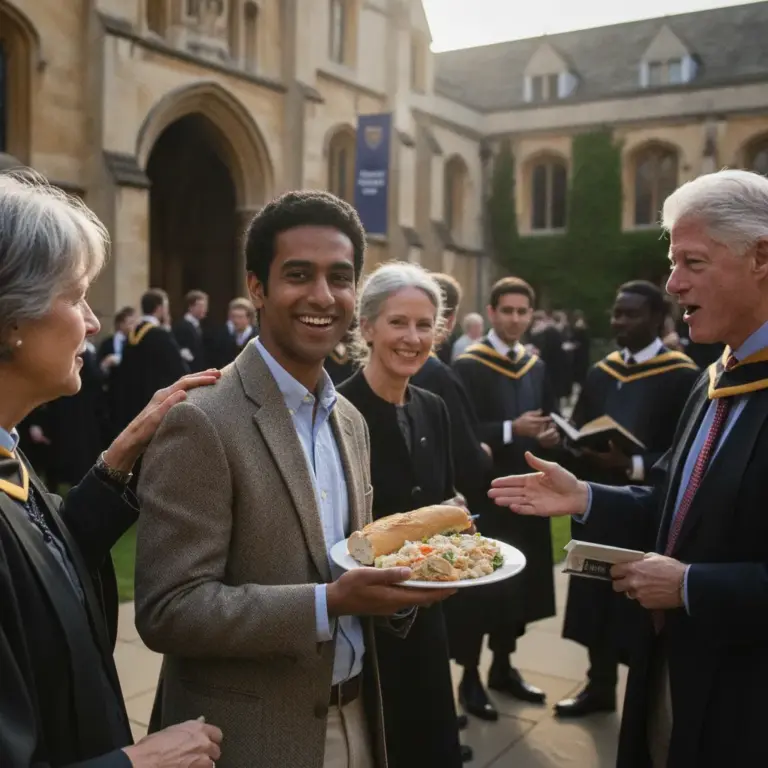
Long before he became history’s first Muslim senator, Abdul El-Sayed was a standout figure at the University of Oxford, arriving in 2009 as a Rhodes Scholar with a reputation for brilliance already established in America. At the University of Michigan, he had been hailed by President Mary Sue Coleman as the epitome of the engaged intellect, earning high praise from figures like Bill Clinton. While his academic journey began with some turbulence—including an early flight back to Michigan during his first term—El-Sayed eventually found his rhythm in England, blending rigorous doctoral research with a vibrant social and athletic life.

On the sports field, El-Sayed distinguished himself as a defensive master and captain of the Oxford lacrosse team. Former teammate Elias Rothblatt recalls him as a fierce competitor who managed to balance leadership and discipline with a genuine sense of humor. This approachable side extended beyond athletics; El-Sayed developed a famous fondness for a specific coronation chicken ciabatta at a local cafe in Oxford’s covered market. The bond between the student and the shop owner, Ricardo Chasebi, grew so strong that the custom sandwich was officially named The Abdul on the menu, and El-Sayed even credited Chasebi in his doctoral thesis for nourishing both his stomach and soul.

Beyond the campus landmarks and cafes, Oxford served as a catalyst for El-Sayed’s political evolution. Through writing for The Guardian and observing British governance firsthand, he developed a deep admiration for the UK’s parliamentary system. He was particularly moved by seeing diverse representation in East London elections, noting that such demographic reflection felt nearly impossible for an Arab American in the United States at that time. These observations helped shape his vision of inclusive leadership long before he entered politics himself.

Now entering the Senate, El-Sayed carries with him the lessons learned from those formative years across the Atlantic. Those who knew him then describe an ambitious young man with clear goals and big ideas about how to impact the world. As he transitions from a celebrated student athlete and scholar to a national legislator, his peers believe he is simply bringing to fruition the potential they saw decades ago in the classrooms and playing fields of Oxford.

The recent shifts in American electoral dynamics have sparked a necessary debate about what actually drives voters toward populist movements. While much of the public discourse focuses on the loud clashes of the culture war, some researchers argue that these societal frictions are merely a veil for deeper economic desperation. Data suggesting a link between low social mobility and political volatility indicates that Trump’s initial ascent wasn’t fueled by ideology so much as by a sense of systemic betrayal in regions where hard work no longer guaranteed a path upward.

In this framework, the rhetoric of identity served as a convenient translation tool for financial pain. The loss of manufacturing jobs was rebranded as an attack by foreign powers, while the erosion of traditional family wages was framed as a casualty of feminism and climate policy. By turning economic anxiety into a battle over heritage and values, it became possible for a specific coalition to overlook policies like corporate tax cuts and welfare reductions that did little to alleviate their actual material struggles.

However, current trends suggest that when daily costs become unbearable, the allure of cultural warfare fades. With skyrocketing grocery bills and energy prices taking center stage, voters appear more interested in their bank accounts than in symbolic victories. This shift is evident in the election of diverse candidates across various states, signaling that identity politics lose their grip when the economy begins to speak for itself through inflation and cost-of-living crises.

Despite these changes, there remains a lingering concern that neither major party has addressed the root cause of this instability. Simply rejecting a particular personality does not dismantle the machinery of grievance that created them. Unless political leaders move beyond blaming corruption or clinging to divisive narratives and instead create genuine opportunities for social mobility, the environment that fostered populism will remain intact, waiting for the next figure capable of translating hardship into anger.

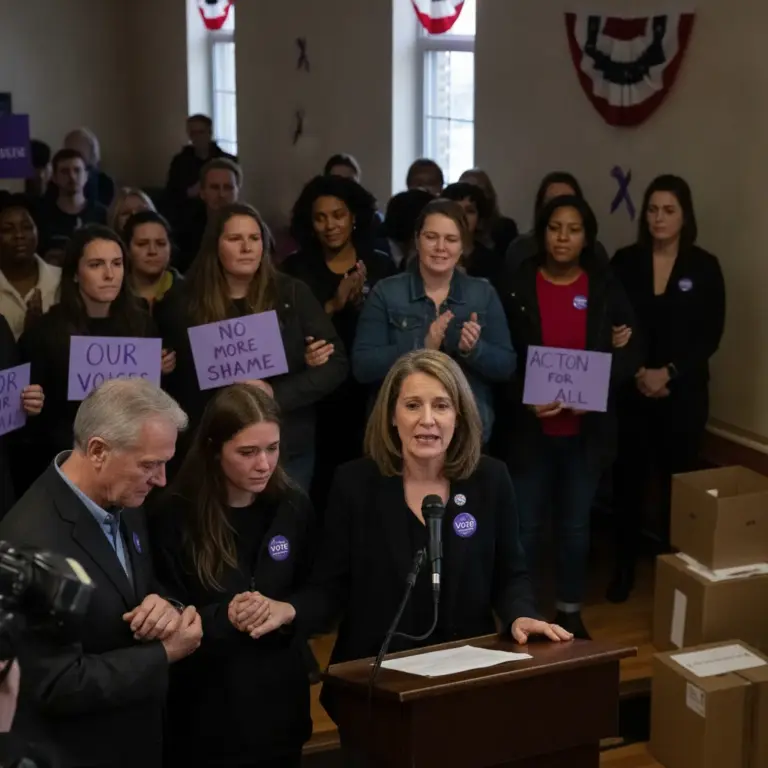
For many survivors of sexual violence, politics often feels like a space where their traumas are either ignored or weaponized. That dynamic shifted dramatically during the recent midterm elections, where a growing coalition of survivors transformed their shared pain into a potent political engine. In Ohio, this shift was exemplified by the victory of Dr. Amy Acton, who won the governor’s mansion despite a multimillion dollar attack ad campaign that attempted to use her history of childhood abuse to discredit her. For voters like Leanna Rocheleau, a small business owner and survivor herself, the aggressive ads didn’t alienate supporters but instead acted as a catalyst for mobilization.

Rocheleau represents a broader trend of survivors moving from private healing to public advocacy. After facing systemic failures in her own pursuit of justice following an assault by a massage therapist, she began lobbying legislators to dismantle the legal barriers that prevent victims from seeking accountability. Her journey mirrors those of activists like Chris Graham, who organizes survivors within the halls of government to ensure their voices shape policy rather than serve as campaign fodder. Together, they are helping define what experts call a distinct political constituency defined by lived experience with gender based violence.

The electoral map reflects this emerging influence, showing an increasing intolerance for candidates linked to abuse. From Northern Ohio to Maine and California, several politicians faced defeat or were forced out of races following allegations of sexual misconduct or domestic violence. Even in traditionally Republican districts in Arizona, candidates who have spoken openly about their survival are finding unexpected resonance with voters regardless of party affiliation. This suggests that the electorate is becoming more receptive to transparency and less tolerant of behavioral red flags in leadership.

Liz Roberts, head of Safe Horizon, describes these outcomes as an unambiguous win for survivors everywhere. The fact that someone like Dr. Acton could speak candidly about her past and still earn the trust of the public marks a cultural turning point. By refusing to let shame remain a tool for political suppression, this movement is proving that disclosure can be a source of strength and legitimacy rather than a liability, effectively rewriting the playbook for how trauma is handled in American public life.

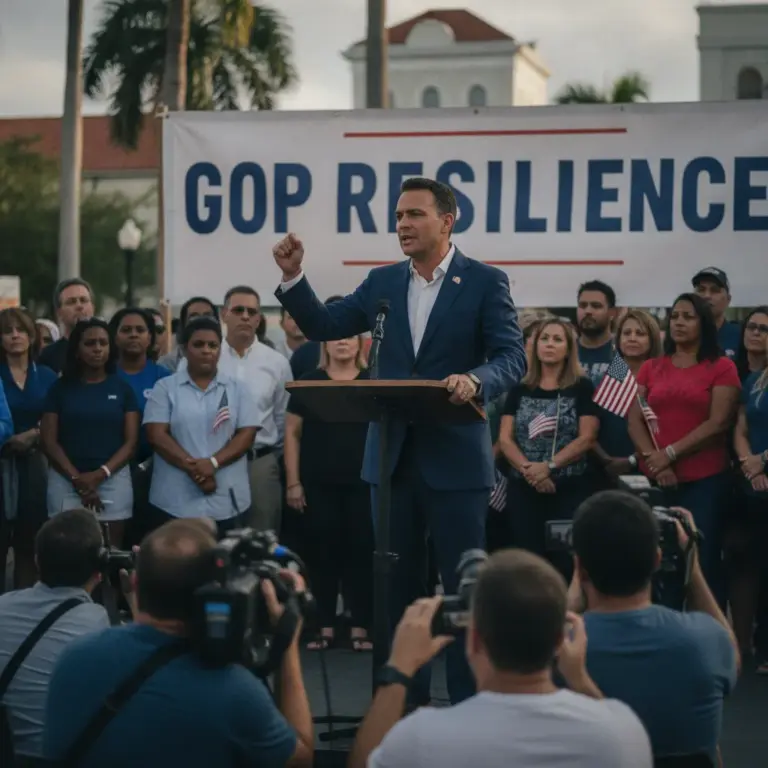
Jay Collins is not a man who shies away from a crisis. As a former Green Beret, he once performed emergency surgery on his own arm after an insurgent’s bullet shattered the limb during combat. Now, as Florida’s Lieutenant Governor, he is applying that same survivalist instinct to a political landscape left reeling from bruising midterm losses. With Governor Ron DeSantis describing the election results as a near extinction level event for the Republican Party, Collins believes the national GOP finds itself bloodied on the battlefield and desperately needs to adopt a warrior’s mindset to recover.

Known as the Chuck Norris of Florida politics by DeSantis, Collins argues that while the losses were severe, they do not have to be fatal. In a candid discussion about the path forward, he urged his party colleagues to stop scrambling for someone to blame and instead focus on resilience. He suggests that hard times are inevitable for any leader and that the only acceptable response is to get up, dust off, and fight back with a renewed sense of purpose and fury.

For Collins, Florida serves as the primary blueprint for this recovery. The state transitioned from a competitive purple battleground into a disciplined conservative fortress, providing what he calls a proving ground for right wing strategies. He attributes much of this success to a willingness to engage with nonpartisan voters rather than preaching only to the choir. Recalling his early victory in Tampa, where he focused almost exclusively on unaffiliated voters and moderate Democrats, Collins emphasizes that honesty and direct communication can bridge deep ideological divides without sacrificing core conservative values.

Looking toward 2028, Collins envisions a party that functions more like a big tent while remaining anchored in its foundational beliefs. Drawing once again on his military experience and memories of national unity following September 11th, he warns that the country risks failure if it remains fractured. His message is simple: when Americans row in the same direction and present a united front, they become an unstoppable juggernaut. While his current term ends soon and his next move remains undecided, Collins insists that the priority must remain leading through strength and openness.

Crystalyne Curley first discovered her passion for politics during a third grade field trip to the Navajo Nation Council, where she watched tribal lawmakers engage in a heated debate. Decades later, that childhood spark culminated in a historic victory as Curley became the first woman elected president of the Navajo Nation. Her win marks a significant departure from over a century of male leadership in one of the largest federally recognized tribes, overcoming deep seated traditions and sexist rhetoric that once suggested the community might not be ready for a female leader.

Curley is far from alone in this surge of representation. In New Mexico, Deb Haaland continues her streak of breaking barriers by becoming the first Native American woman elected as a state governor. Meanwhile, Peggy Flanagan has made history as the first Native American woman ever elected to the U.S. Senate. These victories reflect what strategists describe as a seismic shift in Indigenous political power, moving beyond traditional family and community leadership into formal roles of governance at every level of American society.

The momentum extends across various nations and parties, with the Seneca Nation also electing its first female president in Tina Abrams and several other Native candidates securing seats in Congress. For many of these women, their success is viewed as a collective triumph rather than an individual achievement. From fighting coal dependency on Navajo lands to tackling affordability issues in New Mexico, these leaders enter office carrying both high expectations and the weight of representing generations of women who were previously excluded from these halls of power.

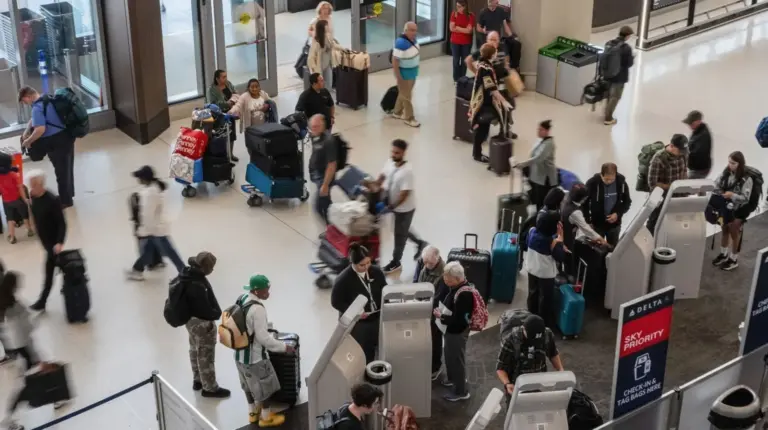
If you were planning to lean on your stash of frequent flyer miles to get home for Thanksgiving, be prepared for some sticker shock. Recent data from the redemption search site Seats.aero reveals that award flights between major U.S. hubs are averaging a thirty two percent increase in cost compared to last year. This surge comes at a time when cash fares are already climbing, leaving travelers with fewer options to find a genuine bargain during the busiest travel window of autumn.

The primary culprit behind these skyrocketing costs is the industry wide shift toward dynamic pricing. For years, travelers relied on static redemption charts that listed fixed mile amounts for specific regions, but those days are largely gone. Now, airlines adjust reward costs in real time based on demand and route popularity, effectively turning loyalty points into a volatile currency that fluctuates just like traditional ticket prices.

Long haul journeys remain the most expensive burdens on a traveler’s account, particularly flights departing from Hawaii. However, distance isn’t the only factor driving prices up; even high traffic corridors like New York to Houston have seen significant spikes in mileage requirements. Global instability and rising jet fuel costs following geopolitical tensions earlier this year have squeezed profit margins, prompting carriers to push more expenses onto their customers through both cash and point valuations.

Even shorter hops provide little relief this season. Routes such as the quick trip from Tulsa to Dallas Fort Worth are seeing higher award costs than they did during previous holiday cycles. Despite these steep increases, airline executives remain unbothered by the price hikes, noting that consumer demand for holiday travel remains stubbornly strong regardless of whether passengers pay with dollars or miles.

Allison and Stephen Ellsworth are returning to the beverage arena with a fresh ambition. After successfully shaking up the soda world with Poppi, the couple is launching Jetty, a new hydration brand designed to challenge the dominance of giants like PepsiCo and its flagship sports drink, Gatorade. Starting this week, Jetty will hit shelves at Whole Foods and become available via Target and Amazon, offering both bottled drinks and ready-to-mix electrolyte packets in five distinct flavors.

The inspiration for Jetty was deeply personal for Allison Ellsworth. Following the massive sale of Poppi to PepsiCo for nearly two billion dollars, she began using GLP-1 weight loss medications. These drugs can often suppress thirst, leading to dehydration despite a person’s best efforts to stay healthy. Finding plain water unappealing and traditional sports drinks too heavy on sugar and salt for someone who hasn’t just run a marathon, she saw a gap in the market for what she calls everyday hydration for normal people.

Jetty aims to capture a younger demographic that feels disconnected from legacy brands like Gatorade and Powerade. By focusing on Millennial parents and Gen Z consumers, the brand hopes to replicate the colorful marketing success of Poppi while offering a lighter nutritional profile. Unlike standard sports drinks that prioritize high sodium levels for elite athletes, Jetty provides a balanced mix of electrolytes alongside B vitamins and fiber, all while keeping sugars low and avoiding artificial dyes.

Entering the hydration space comes at a volatile time for the industry. While overall interest in electrolytes is surging, traditional ready-to-drink sports beverages have seen declining unit sales as consumers pivot toward powder mixes like Liquid I.V. Despite this shift and fierce competition from major players like Kraft Heinz and Coca-Cola, the Ellsworths remain confident. Having already scaled one beverage empire from scratch, they believe their expertise in branding and distribution gives them the edge needed to win over today’s health conscious shopper.

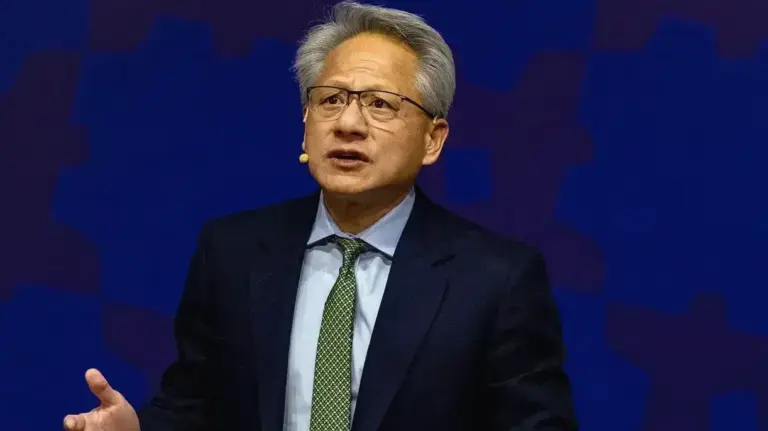
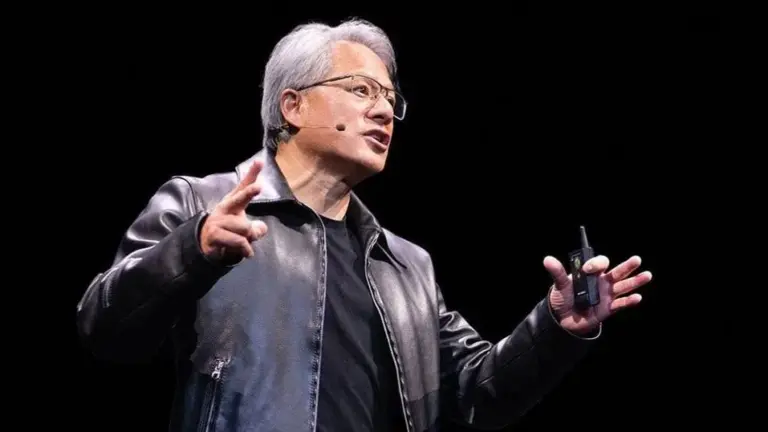
House Republicans are ramping up pressure on Nvidia CEO Jensen Huang following revelations that he maintained a close relationship with an individual suspected of being a Chinese intelligence asset. In a formal letter sent this week, leadership from the House Foreign Affairs, Intelligence, and Select Committees on China demanded transparency regarding Huang’s interactions with Alice Huang, an executive at Megaspeed who is alleged to have gathered sensitive information for Beijing. The inquiry seeks to determine if these ties allowed the Chinese government unauthorized access to critical American semiconductor technology.

The investigation stems from a New York Times report suggesting that while U.S. officials were aware of the situation, they initially believed Jensen Huang was unaware of the woman’s clandestine activities. Adding another layer of complexity, the report indicates that former President Donald Trump was briefed on these findings roughly a year ago but opted not to take action. Now, lawmakers want specific details on Nvidia’s internal security protocols and how the company protects itself against foreign espionage efforts designed to steal intellectual property.

This political firestorm arrives at a delicate moment for Nvidia as Jensen Huang continues to lobby for relaxed restrictions on selling advanced chips to China. His influence within high-level diplomatic circles was recently highlighted when he joined a prestigious business delegation accompanying President Trump to meet with Xi Jinping in Beijing. This group included other titan figures like Elon Musk and Tim Cook, illustrating the precarious balance these corporations must maintain between maximizing profits in Chinese markets and adhering to U.S. national security mandates.

Lawmakers have invited Huang to participate in a joint briefing on November 18, strategically scheduled just one day after the company releases its third-quarter earnings report. While it remains unclear if the CEO will attend or how Nvidia intends to respond, the stakes could not be higher given suspicions that certain chips acquired by Megaspeed may have been illegally smuggled into China. For now, Congress is determined to find out if one of America’s most powerful tech leaders inadvertently became a gateway for foreign intelligence operations.

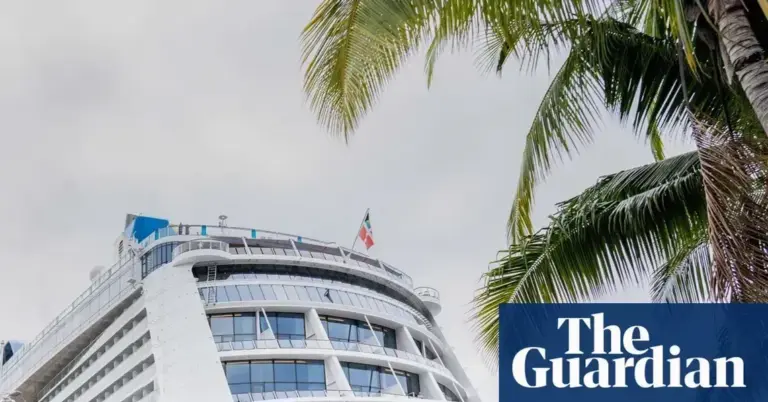
A pianist employed by Royal Caribbean has defied the odds after spending roughly nine hours treading water in the open ocean. The musician was discovered on Friday by two Newport Beach fishermen, Sean Norton and Grant Garrett, who happened upon him while returning from a marlin fishing excursion near Catalina Island. Located nearly twenty miles from the coast, the man was floating in what officials described as essentially the middle of the ocean before he was spotted and pulled safely aboard the private vessel.

Grant Garrett recalled the surreal moment they realized they weren’t looking at debris but at a struggling person. He noted that once they stopped the boat and hauled him on deck, the exhausted survivor identified himself as a crew member from the Ovation of the Seas, a massive fourteen deck luxury liner. According to Norton, the pianist was barely able to speak through his shock, offering only a brief expression of gratitude and admitting that he believed he was going to die.

Survival experts and rescuers suggest that timing and temperature were likely the deciding factors in this miracle recovery. Norton pointed out that an exceptionally warm El Nino year kept ocean temperatures around seventy six degrees, preventing hypothermia from setting in during those long hours of isolation. In any other season, it is unlikely that someone could have survived such a prolonged immersion in the Pacific without specialized gear.

Following an emergency maritime call from the fishermen, Newport Beach lifeguards assisted in transporting the man to a nearby hospital where he is now expected to recover. While Royal Caribbean confirmed they are supporting their employee during this difficult period, they have declined to provide further personal details citing privacy concerns. The US Coast Guard has launched an official investigation to determine exactly how the performer ended up overboard from such a large ship.

Investors are staring down a precarious opening session tonight as Dow Jones, S&P 500, and Nasdaq futures prepare to trade following a brutal stretch for Wall Street. The markets are still reeling from last week’s performance, which saw widespread selling pressure culminate in a devastating slide on Thursday. While Friday offered some slight relief, the recovery remained tepid and inconsistent, leaving traders anxious about whether the downward momentum has truly bottomed out.

Adding fuel to the fire is a developing crisis at semiconductor giant Nvidia. The company’s board of directors has officially launched an independent investigation following reports that CEO Jensen Huang may have been targeted in a sophisticated foreign espionage plot. As one of the primary engines driving the current artificial intelligence boom, any instability at the helm of Nvidia tends to ripple across the entire tech sector, further complicating an already fragile environment.

Early indications suggest that tech futures are trending lower as news of the probe spreads. This combination of systemic market weakness and corporate turmoil creates a challenging backdrop for Sunday evening’s open. Analysts will be watching closely to see if the broader index can absorb these shocks or if the spying allegations against Huang’s circle will trigger another wave of panic selling among institutional investors.