Archive

November 2026

Browsing

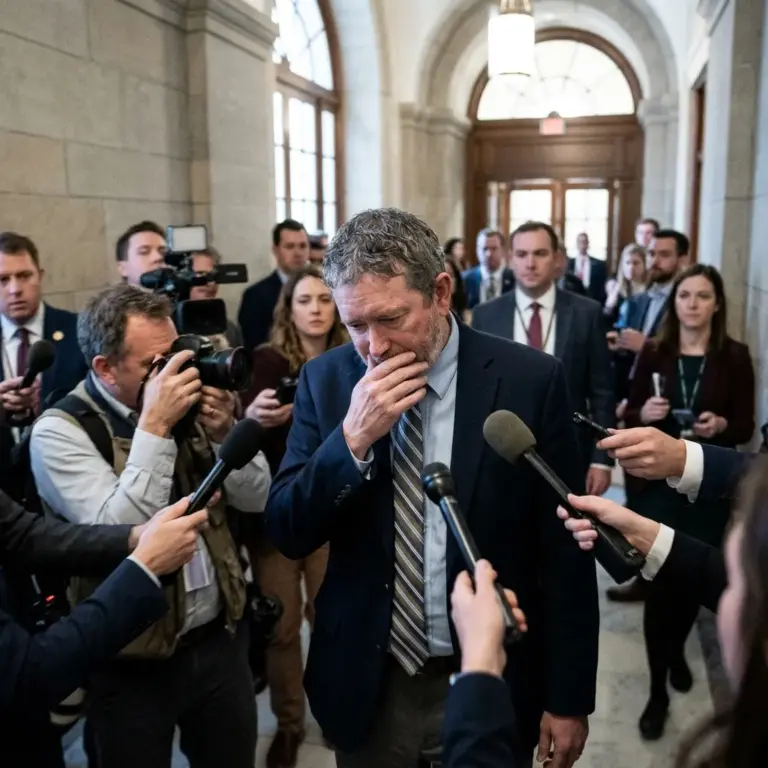
Pete Hegseth remains at the helm of the Pentagon after House Republicans blocked a resolution to impeach him on Tuesday. In a procedural vote that ended 211-204, the majority of the Republican caucus stood behind the defense secretary, effectively killing an effort led by Representative Thomas Massie of Kentucky. While Massie argued that Hegseth had committed high crimes and misdemeanors, he found himself as the lone Republican voice supporting the motion, highlighting a deep divide between the party’s fringe critics and its loyalist core.

Following the vote, Hegseth dismissed the proceedings as a political spectacle fueled by ego and resentment. During a carefully curated press appearance where he spoke primarily to friendly media outlets, he compared his situation to previous attempts to remove Donald Trump from office, asserting that such efforts were destined to fail. Critics noted that while Hegseth was quick to hold court on Tuesday, he has largely avoided traditional press briefings since May, including during recent military tragedies involving U.S. personnel overseas.

The outcome served as a stark reminder of current party dynamics within the GOP. Even Senator Ted Cruz, who had previously suggested that resignation or impeachment seemed inevitable, saw those predictions fall flat as colleagues prioritized loyalty over internal grievances. Some lawmakers admitted to having conflicts with Hegseth’s management style or policy decisions regarding conflict in Iran, yet they ultimately voted to protect him rather than risk a fracture in presidential alignment.

Meanwhile, the opposition faced its own set of embarrassments during the proceedings. A surprising number of Democrats failed to cast their votes altogether, citing traffic delays and scheduling mishaps. Among those absent was Nancy Pelosi, adding a layer of irony to an already chaotic legislative session. Though incoming Speaker-elect Hakeem Jeffries insisted this is only the beginning of the fight, many observers believe focusing on administrative mismanagement may be more effective than pursuing outdated arguments over congressional war powers.
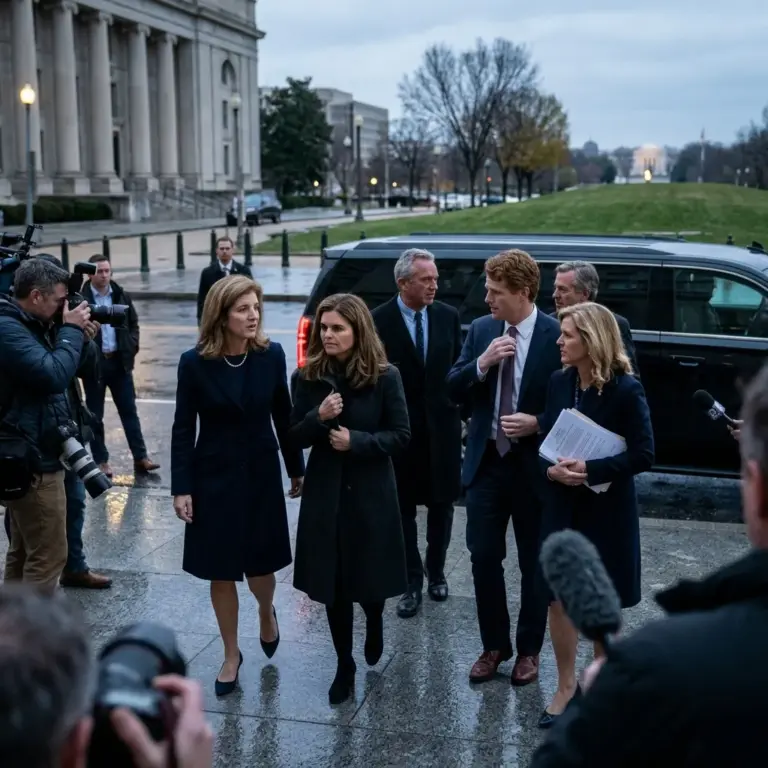
The Kennedy family has entered a high stakes legal battle against the Trump administration, filing a federal lawsuit to halt the construction of a planned 250 foot triumphal arch in Washington, D.C. Nine members of the storied political dynasty argue that the massive structure would permanently mar the landscape and obstruct critical views of their ancestors’ gravesites within Arlington National Cemetery. Specifically, the family contends that the arch would block the visual connection between the Arlington Memorial Bridge and iconic markers like the John F. Kennedy Eternal Flame, effectively destroying an essential part of those memorials’ designs.

Describing the proposed monument as more than double the size of the Lincoln Memorial, the filing compares its scale to a twenty five story office building. The Kennedys claim that placing such a gargantuan structure in Memorial Circle would sever a historical axis meant to symbolize national unification following the Civil War. Beyond their own familial ties, the plaintiffs assert that the arch would cast literal and figurative shadows over hundreds of thousands of fallen American heroes whose resting places deserve solemnity rather than architectural interference.

This latest move sees the Kennedy family aligning themselves with several other opponents, including veterans, preservationists, and officials from both Virginia and Washington, D.C. Critics have characterized these types of ambitious urban redesigns as vanity projects aimed at reshaping the capital to fit a specific personal image. A recent National Park Service review further fueled these concerns by admitting that the project could have adverse effects on up to 42 different historic sites throughout the city.

While U.S. District Judge Tanya Chutkan recently issued a brief freeze on construction activities, President Trump remains determined to finish the monument before leaving office in two years. In response to the lawsuit, White House spokesperson Davis Ingle expressed disappointment that members of the Kennedy family had joined the litigation, maintaining that the arch is intended as a beautiful tribute to American greatness and those who served in Arlington Cemetery. For now, however, this clash between executive ambition and dynastic legacy heads toward a courtroom showdown over who truly controls the vista of American history.

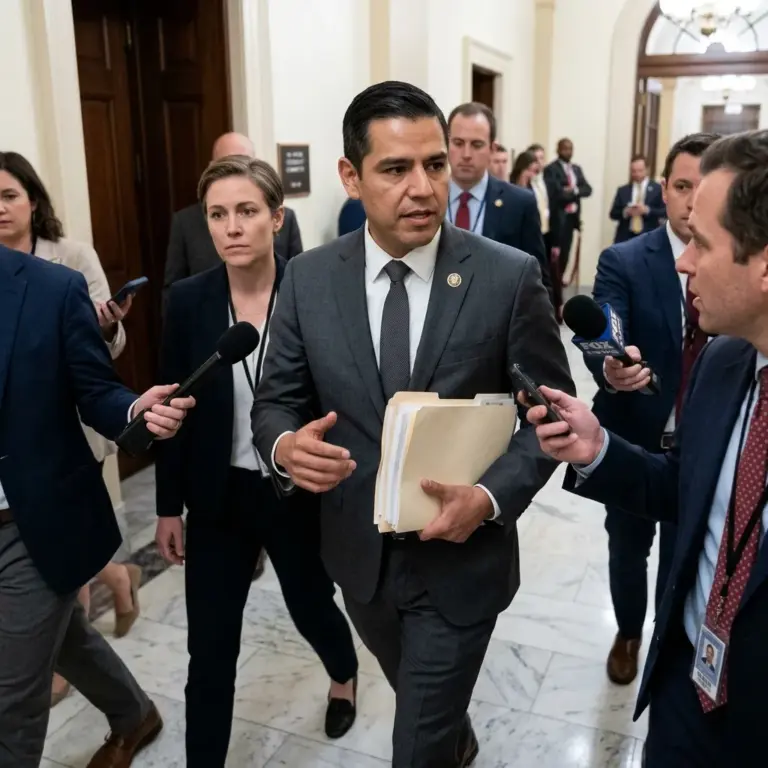
A sharp confrontation is brewing between the Trump administration and incoming Democratic leaders in the House as the White House suggests that planned congressional investigations could veer into criminal territory. In a formal warning directed toward Representative Robert Garcia, the future chairman of the House Oversight Committee, the administration cautioned that targeting executive branch officials might constitute blatant criminality. This preemptive strike sets a tense stage for January, when Democrats are expected to assume control of powerful committees tasked with probing the president and his inner circle.

Representative Garcia dismissed the warnings as an attempt at intimidation, telling reporters that those who have abused the public or acted as co-conspirators should simply hire lawyers. He argued that the American people expect Congress to push back against what he described as an authoritarian system. Similarly, incoming House Judiciary Chairman Jamie Raskin labeled the White House’s threats meaningless and embarrassing, insisting that constitutional oversight is essential for passing effective laws and maintaining transparency within the federal government.

Adding to the volatility, House Minority Leader Hakeem Jeffries slammed the administration’s claims as legally and factually inaccurate. Jeffries asserted that while previous Republican majorities may have served as rubber stamps for President Trump, a Democratic Congress intends to act as a necessary check on an out of control executive branch. He urged the White House to consult the Constitution rather than threaten lawmakers performing their official duties.

Beyond general oversight disputes, specific figures in the administration already find themselves in the crosshairs. Jeffries remained firm in his stance regarding Defense Secretary Pete Hegseth, stating clearly that Hegseth has got to go. While he stopped short of confirming immediate impeachment proceedings once Democrats hold a majority, he confirmed that senior members of the Judiciary and Armed Services committees are actively managing accountability efforts focused on the secretary.

As the United States looks toward the 2028 presidential election, voters are beginning to contemplate a landscape where Donald Trump is constitutionally barred from seeking another term. For the first time in several cycles, both parties face an unusually open road to the White House. According to a recent CNN poll conducted by SSRS, over half of Americans have already started thinking about who should lead the country next, though a significant portion remains undecided or hesitant about the prospect of another grueling campaign season.

Within the Democratic party, enthusiasm is currently split between three primary figures. When prompted with specific names, roughly equal shares of Democrats and Democratic leaning independents expressed excitement for former Vice President Kamala Harris, Representative Alexandria Ocasio Cortez, and former Transportation Secretary Pete Buttigieg. While Harris maintains the broadest base of general consideration due to her high name recognition, she also faces a notable segment of hard opposition compared to newer faces in the potential field.

Other prominent Democrats such as Governor Gavin Newsom and Senator Mark Kelly also drew positive responses from about twenty two percent of supporters, while Senator Jon Ossoff has recently generated organic momentum following a strong reelection performance in Georgia. Despite this buzz, many voters still admit they do not know enough about various gubernatorial contenders like Josh Shapiro or JB Pritzker to form a definitive opinion on their viability as a national candidate.

On the Republican side, the conversation centers heavily around Vice President JD Vance and Secretary of State Marco Rubio, both of whom command similar levels of initial excitement among GOP leaners. However, the shadow of Donald Trump continues to loom large; despite his inability to run, his eventual endorsement or decision to remain neutral could drastically shift these early numbers. As history shows that frontrunners can emerge quickly from obscurity, this current snapshot suggests a wide open contest where personality and timing will play as much of a role as existing polling data.

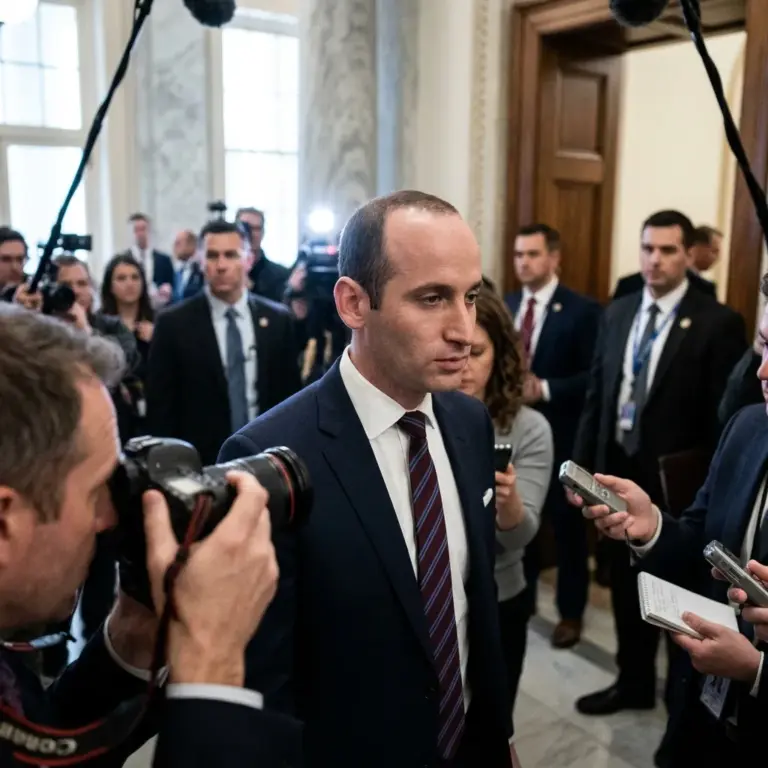
Washington is bracing for a sharp shift in tone and policy following President Donald Trump’s decision to install Stephen Miller as White House chief of staff. While the president previously hinted at a willingness to cooperate with Democrats on issues like immigration after recent midterm losses, the promotion of Miller suggests a different trajectory. Known as the architect of some of the administration’s most aggressive immigration policies, Miller arrives in his new role facing immediate hostility from Democratic leadership. Representative Hakeem Jeffries has already signaled that there is no path toward collaboration, describing Miller in blunt terms as a stone cold racist and stating he has zero interest in working with him.

The fallout extends beyond political rhetoric, as sixteen leading Latino advocacy groups are now urging the incoming Congress to subpoena Miller regarding mass deportation efforts and demanding a freeze on ICE funding until spending becomes transparent. However, not everyone in the orbit of power is dismayed. Supporters of the Make America Healthy Again movement have welcomed the change with enthusiasm, viewing Miller as a stronger champion for their specific agenda than his predecessor, Susie Wiles.

As the internal gears of the White House shift, a cinematic security scandal is simultaneously unfolding between Silicon Valley and Beijing. Questions are swirling around Nvidia CEO Jensen Huang following revelations that he may have been romantically involved with Alice Huang, a woman identified as a Chinese intelligence asset. The situation has created an awkward tension within the administration; despite warnings from National Security Adviser Marco Rubio about Huang being compromised, the tech mogul remained a close confidant of the president and accompanied him on high level diplomatic trips.

President Trump has defended Huang, claiming he believes the CEO had no knowledge of his partner’s ties to Chinese intelligence. Yet, federal investigators remain focused on whether advanced AI chips were illegally shipped to China through companies linked to Alice Huang. With Nvidia dominating the global AI market and serving as a pillar of current economic growth, there are growing concerns about stability at the company’s helm. While Nvidia maintains that no corporate secrets were leaked, investors are jittery and critics are questioning why such significant red flags failed to trigger more decisive action from the White House earlier.

As Veterans Day approaches on November 11, dozens of restaurant chains across the United States are preparing to honor service members with a wide array of free meals and special promotions. According to Alison Quinn, president of Dinova, this year’s Veterans Day Dining Guide features roughly 30 different brands ranging from national powerhouses to regional favorites. From free shrimp at Red Lobster to a complimentary burger at Red Robin, the offerings provide a tangible way for businesses to say thank you to those who served in the armed forces.

While many people associate these perks with a single day of celebration, there is a growing trend toward long term appreciation. Many establishments are now including incentives designed to bring veterans back through their doors well after the holiday has passed. For example, companies like Hofman Hospitality Group and Outback Steakhouse are pairing their immediate giveaways with bonus cards or meal offers valid for future visits, moving away from one time gestures toward more sustained relationships with the military community.

The variety of available treats is extensive this year, featuring crowd pleasers such as ten free boneless wings at Buffalo Wild Wings and a signature Bloomin’ Onion at Outback Steakhouse. These promotions serve a dual purpose, acting as both a mark of respect and practical support for active duty personnel or veterans who may be managing tight budgets. Whether it is a high end cheeseburger at Eddie Merlot’s or an All American Smash at Smashburger, the goal is to create a welcoming environment for all branches of service.

Those planning to take advantage of these deals are encouraged to keep a few logistics in mind before heading out. Because participation and specific requirements can fluctuate between individual franchises and regions, experts suggest checking with local managers first. Most participating locations will require official identification to verify veteran or active duty status, ensuring that the rewards reach those who earned them during their time in service.

In the world of high stakes counterintelligence, there is a long standing warning shared among diplomats and generals regarding the danger of the honeytrap. The premise is simple: when someone unexpectedly captivating takes a sudden interest in an ordinary person, they likely have an ulterior motive. While Jensen Huang is anything but ordinary, serving as the billionaire architect of Nvidia and a central figure in the global AI race, he appears to have fallen victim to this classic playbook regardless of his status or wealth.

Recent reports suggest that Huang became entangled in a romantic affair with Alice Huang, a former executive at Megaspeed, a Singaporean cloud provider. U.S. intelligence agencies now believe she acted as an asset for China’s Ministry of State Security. This revelation has sent shockwaves through both Silicon Valley and Washington, raising urgent questions about whether some of the world’s most sensitive semiconductor secrets were compromised during their relationship. While Nvidia’s board maintains that no national security breaches have occurred, the optics remain devastating for a company positioned at the epicenter of a geopolitical cold war over computing power.

This incident fits into a broader pattern of Chinese economic espionage designed to accelerate Beijing’s military and technological capabilities. From targeting members of Congress to utilizing LinkedIn for corporate infiltration, these operations often leverage personal relationships to gain access to protected data. For executives like Huang, who operate in an environment where even hotel rooms are suspected of being bugged and burner phones are standard equipment, the breach suggests that psychological vulnerabilities can override technical safeguards.

The fallout has already reached the highest levels of government, involving conflicting accounts from the Trump administration regarding what was known and when. Despite warnings issued by officials such as Marco Rubio months ago, Huang continued his proximity to leadership while maintaining ties to individuals linked to this alleged plot. As investigators dig deeper into the timeline between 2024 and 2025, the situation serves as a stark reminder that in the current era of chip wars, no amount of success provides total immunity from old school intelligence tactics.

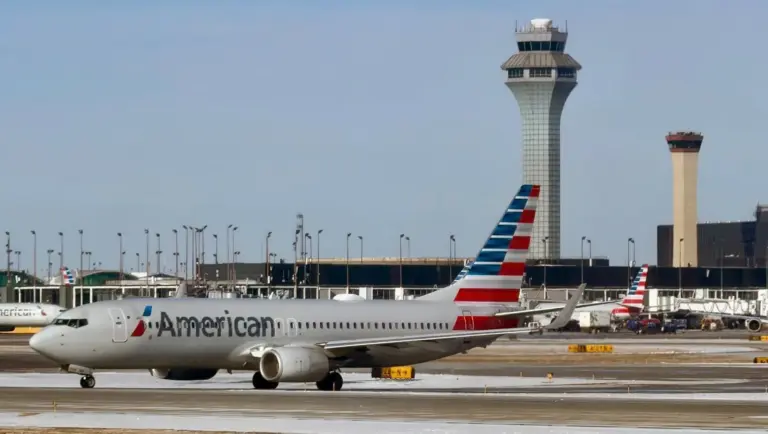
Travelers flying first class between New York and Chicago can finally ditch the prepackaged snacks for something a bit more sophisticated. American Airlines announced this week that it is reintroduceding fresh food options on these key hub routes, marking the first time such an offering has returned since 2019. Starting this month, passengers will find a curated selection of small bites designed to elevate the short haul experience.

The new menu focuses on light but flavorful choices tailored to different times of day. Breakfast flyers can choose between apple cinnamon chia pudding or classic prosciutto and melon, while those traveling during lunch or dinner hours can opt for a mezze plate or a Thai noodle salad. For years, these flights had seen their premium dining reduced to basic wrapped snacks, reflecting a broader industry trend of scaling back services on shorter journeys.

This move comes as American Airlines attempts to close the gap with rivals like Delta and United, who have aggressively invested in high end amenities to attract big spending corporate and leisure travelers. While other carriers have focused on expanding their lounge networks and redesigning cabins, American is using targeted culinary upgrades to regain its footing in the luxury market.

Beyond the meal trays, the airline has been quietly rolling out several improvements meant to lure back prestige passengers. These efforts include updating existing lounges and planning the installation of seatback screens across its narrow body fleet. By adding fresh flavors back to the New York to Chicago leg, American is signaling that it recognizes the growing demand for true premium service regardless of flight duration.

Drivers across the country are finally seeing some breathing room at the pump as the national average for a gallon of regular gasoline has dipped below the four dollar mark. According to data from AAA, prices hit roughly three dollars and ninety four cents this week, marking a forty cent drop over the last month. While many motorists might be tempted to attribute this sudden relief to recent political developments or elections, experts insist that the reality is far more mundane.

Much of the current decline is attributed to typical seasonal patterns. As autumn sets in, fewer people take to the roads compared to the peak summer travel season, naturally lowering demand. Additionally, refineries have completed their annual maintenance cycles and transitioned to a winter blend of gasoline. This specific mixture is designed to help engines start in colder temperatures and incorporates more butane, which makes it cheaper to produce than the smog reducing blends used during the hotter months.

Beyond local logistics, however, lies a larger geopolitical influence involving Brent crude oil. The raw material needed for gasoline has dropped toward ninety dollars a barrel due to increased pipeline flow from the Middle East and optimistic trading following diplomatic efforts between the United States and Iran. Analysts warn that this trend remains fragile, noting that any escalation in regional conflict could quickly erase these gains and send prices climbing once again.

Despite the immediate dip, energy analysts caution against expecting a full return to pre war pricing levels anytime soon. Recovering previous lows would require a total normalization of the global supply chain, including ships returning to standard routes through the Strait of Hormuz and a replenishment of depleted stockpiles. In fact, AAA notes that despite this recent drop, fuel costs remain at historic highs for this particular time of year.

United Airlines is stepping back from the automation trend by officially banning artificial intelligence agents from booking flights on behalf of passengers. The carrier announced the move on Wednesday, pointing toward significant security vulnerabilities and potential legal complications. As more people rely on sophisticated AI tools from companies like OpenAI and Meta to handle daily chores and shopping, United argues that giving these bots access to sensitive payment details and account credentials opens the door to identity theft, accidental purchases, and the unauthorized use of loyalty miles.

Beyond data privacy concerns, the airline highlighted specific regulatory hurdles that automated systems cannot legally clear. Federal rules require travelers to personally certify that their luggage contains no prohibited items during the check-in process, a verification step that a software agent simply cannot perform. To enforce this stance, United is updating its ticketing policies and implementing technical restrictions across its digital platforms and partner agencies to block unauthorized third party assistants.

Industry experts suggest this decision is about more than just safety; it is a strategic play for control. Aviation analyst Henry Harteveldt notes that United likely wants to prevent another powerful layer of intermediaries from sitting between the brand and its customers. By cutting off AI bots, the airline avoids the high infrastructure costs associated with surges in automated flight searches while ensuring they maintain a direct relationship with the traveler.

This approach puts United at odds with some competitors, such as Southwest, which has embraced integration by making its inventory accessible through ChatGPT. While traditional search engines and travel aggregators like Google Flights and Kayak will still be able to list United’s fares, those looking for a fully autonomous concierge experience will find themselves blocked. In essence, while finding a cheap ticket remains easy, letting a robot buy it for you is now against company policy.