Archive

November 2026

Browsing

American motorists are seeing some long awaited relief at the pump this week as the national average for regular gasoline slid below four dollars a gallon for the first time since last July. According to data from AAA, prices hit roughly three dollars and ninety eight cents on Tuesday, marking a significant drop of nearly forty cents over the last month alone. This downward trend follows a noticeable cooling of energy inflation in October, which saw a modest increase compared to the dramatic surges experienced throughout September.

Industry experts suggest that while current market conditions are helping, timing is also playing a major role in the price dip. Bespoke Investment Group noted that fuel costs typically soften during this season regardless of broader economic trends. They argued that failing to see a decline at this point in the year would actually be more concerning than the drop itself, suggesting that these changes are partly just a result of predictable seasonal patterns.

Beyond seasonality, global politics and supply chains have provided further momentum for lower prices. Crude oil benchmarks recently dipped as tensions between Washington and Tehran appeared to ease following comments from President Donald Trump, reducing the perceived risk of disruption in the Middle East. Additionally, oil flows from the Persian Gulf have largely recovered toward prewar levels, easing fears regarding global supply shortages.

Despite the welcome news for consumers, some officials remain cautious about the long term outlook for inflation. Federal Reserve Governor Christopher Waller acknowledged the recent decline but cautioned that energy shocks might behave differently now than they did prior to the pandemic. He suggested that while current drops are positive, the lasting impact on the economy will depend entirely on whether these lower prices can be sustained through the coming months.
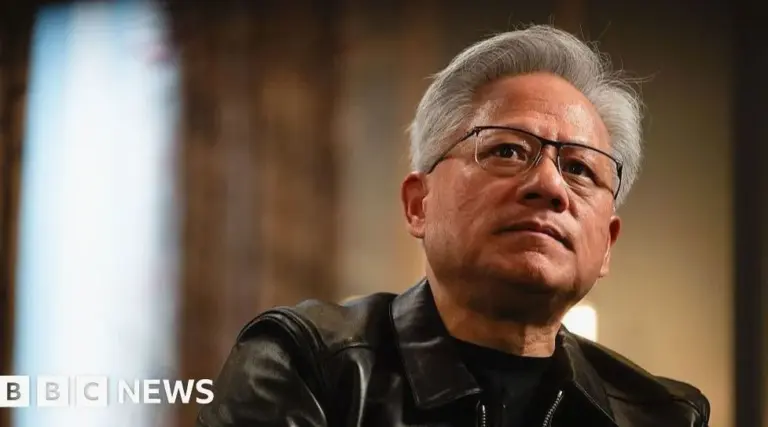

Nvidia is facing a corporate and geopolitical crisis following revelations that CEO Jensen Huang engaged in a romantic relationship with a woman alleged to be a spy for the Chinese government. To manage the fallout, the semiconductor giant has enlisted Wachtell, Lipton, Rosen & Katz, one of the most prestigious law firms in the United States. Former U.S. Attorney Joon Kim will spearhead what the company describes as a thorough and independent investigation into the matter, while the FBI simultaneously conducts its own federal probe.

The situation centers on Alice Huang, an executive at Megaspeed, a Singaporean firm and Nvidia customer previously scrutinized for allegedly diverting chips to China. While Nvidia maintains it was never warned by the U.S. government about intelligence concerns regarding Megaspeed, reports indicate that Secretary of State Marco Rubio had flagged Huang’s relationship to Washington officials as early as this spring. Despite these warnings, President Donald Trump stated he believes Jensen Huang’s claim that he was entirely unaware of her alleged espionage activities.

The scandal has sent shockwaves through the financial markets, wiping nearly 500 billion dollars off Nvidia’s market value since Friday as shares plummeted toward a yearly low. Given that Nvidia produces the essential hardware powering the global artificial intelligence boom, US officials view the company as a pillar of national security. Any potential breach of confidence involving its leader could have significant implications for the American effort to maintain technological superiority over Beijing in the AI race.

As internal investigators scramble for answers, political pressure is mounting on Capitol Hill. Leaders of the House Committee on Foreign Affairs have requested that Jensen Huang appear for a closed door briefing next week to address potential vulnerabilities. Although Nvidia’s board insists there is currently no evidence that company secrets were compromised, they acknowledge that because Huang is so inextricably linked to the brand’s identity, resolving this controversy is an urgent priority for survival.

Gold prices managed a quick recovery early Monday morning after a volatile finish to last week saw the metal slide under the weight of robust economic data. On Friday, the market faced significant pressure following a U.S. jobs report revealing that employers added 165,000 positions in October and the unemployment rate dipped slightly to 4.1 percent. This strength sparked a rally in the U.S. dollar and pushed Treasury yields higher, making gold more expensive for international buyers and less appealing compared to interest bearing assets.

The dip served as a brief correction after an impressive run fueled by political shifts in Washington. Earlier in the week, gold surged following Democratic gains in both houses of Congress, hitting a peak of 4,146.63 dollars per ounce on Thursday. While the subsequent selloff brought spot prices down toward the 4,063 dollar mark by late Friday afternoon, bulls quickly returned to the fray on Monday morning, pushing prices back up toward 4,119 dollars in pre trading hours.

Industry experts suggest that these short term fluctuations are merely noise within a larger upward trend. Jeff Clark, founder of The Gold Advisor, notes that current price action shares a striking correlation with the massive bull market seen between 1976 and 1980. While he stops short of guaranteeing a move toward 10,000 dollars per ounce, he argues that history shows gold often advances even during periods of monetary tightening and rising interest rates, contrary to popular belief among some traders.

Beyond the immediate volatility of spot prices, analysts are encouraging investors to keep an eye on the fundamental health of mining operations. Senior analyst Jeff Valks suggests focusing on exploration results and drilling progress among junior miners rather than reacting to every Federal Reserve announcement or election result. With gold finding strong support around the 4,000 dollar threshold and global demand for mining necessities remaining high, many believe the long term trajectory for precious metals remains firmly pointed upward.

A gathering of seasoned financiers at the New Orleans Investment Conference recently sounded a loud alarm over the current state of artificial intelligence investing, suggesting that the sector is exhibiting all the classic symptoms of a market bubble. During a panel titled Booms, Busts and Bubbles, experts including mining financier Frank Giustra and analyst Jim Iuorio observed that skyrocketing valuations and speculative capital flows have pushed the market into dangerous territory. With some stocks surging hundreds of percent in mere weeks, there is a growing fear that investor enthusiasm has completely detached from economic reality.

The numbers backing these concerns are stark. Moderator Albert Lu highlighted that AI infrastructure now consumes nearly ninety percent of corporate capital expenditures and drives eighty percent of S&P 500 earnings growth. To put this in perspective, Frank Giustra pointed to the Buffett Indicator, which measures total market value against GDP. Currently sitting at around 240 percent, this figure dwarfs the levels seen during the peak of the dot-com crash, signaling that prices may be unsustainable regardless of how transformative AI actually is for society.

One of the most pressing warnings from the group was not just that a crash is coming, but that investors are psychologically unprepared for it. Grant Williams compared the situation to an approaching hurricane, noting that while people prepare for physical storms, they rarely plan an exit strategy for financial ones. Many traders operate under the illusion that they can spot the exact moment a bubble bursts and sell their shares seconds before the plunge, ignoring history where even winners like Amazon saw massive temporary losses during previous tech corrections.

Navigating this volatility requires different strategies depending on an investor’s goals. While some suggest staying in the market with caution, others like Giustra advocate for moving to the sidelines entirely to preserve wealth rather than chasing risky returns. The consensus among these veterans remains clear: while AI might change the world, owning a piece of that revolution doesn’t guarantee profit if you buy in at an irrational price. The real challenge now isn’t identifying the bubble, but having the discipline to leave before it pops.

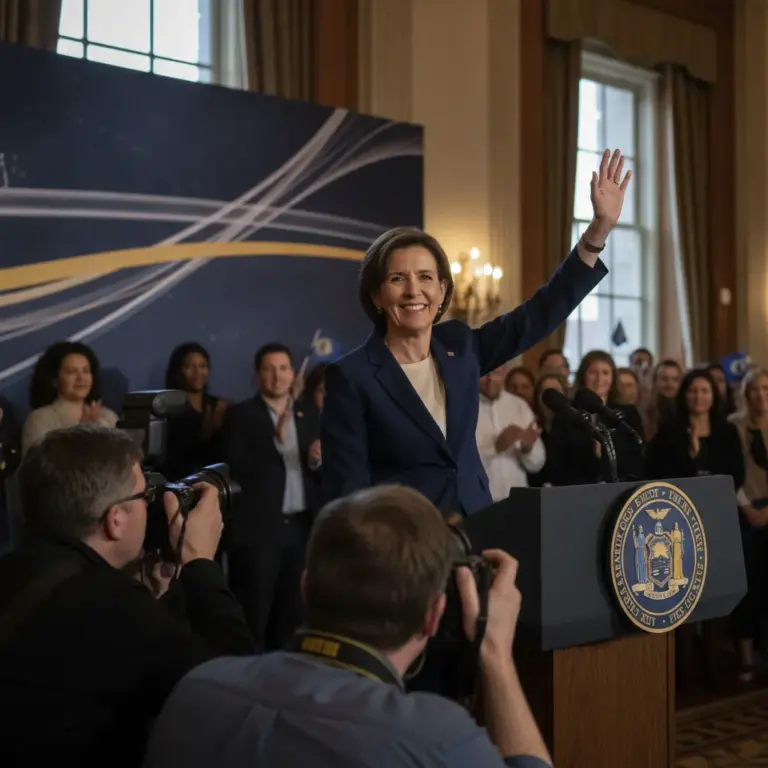
Governor Kathy Hochul is keeping the door wide open for a potential leap onto the national stage following her decisive re-election victory in New York. While she maintains that her primary focus remains serving the people of the Empire State, the governor recently hinted that she would be receptive to becoming a running mate for a future Democratic presidential contender in 2028. In a candid exchange with The New York Times, Hochul noted that she did not reach her current position by closing doors on opportunities, suggesting a strategic openness to higher office as the party begins its long game for the next White House cycle.

This subtle shift toward national visibility comes at a time when Democrats are surveying a deep bench of talent for their next presidential bid. High profile names like California Governor Gavin Newsom and Pennsylvania Governor Josh Shapiro are already being discussed, and Hochul herself has praised the quality of these battle tested leaders. By positioning herself as a champion for policies like universal childcare, she hopes to transform her regional successes into a broader national platform, proving that her governance model can work beyond New York borders.

Despite her aspirations, Hochul is carefully balancing her ambition with her duties in Albany. After defeating Republican challenger Bruce Blakeman with nearly sixty percent of the vote, she emphasized that she intends to spend the coming four years fighting for New Yorkers first. However, political strategists suggest that while she may not yet be as prominent in national circles as some of her peers, her record as an aggressive critic of Donald Trump and her ability to hold a major blue state together could make her an attractive asset on a future ticket.

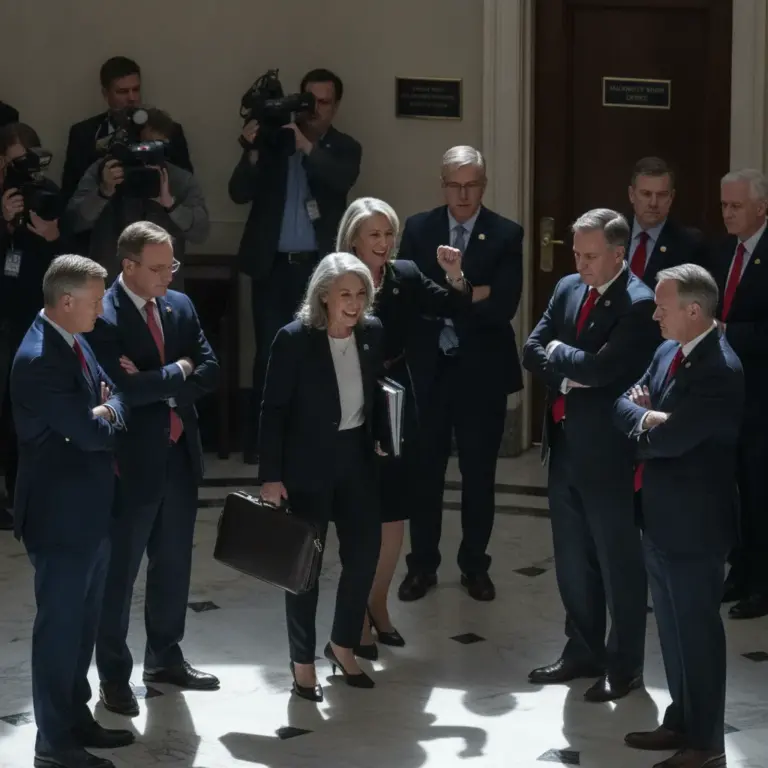
Capitol Hill buzzed with tension on Monday as members of Congress returned for a lame duck session following one of the most lopsided midterm elections in recent memory. Democrats have secured an overwhelming victory, seizing control of both the House and the Senate in a rout that has left Republicans scrambling to understand how they lost so much ground. While the dust is still settling, Democrats currently hold fifty four seats in the Senate against forty four for the GOP, though two high stakes races in Alaska and Mississippi remain too close to call. In Mississippi, candidate Scott Colom holds a slim lead over Senator Cindy Hyde Smith, with final certification expected by Friday once late absentee ballots are processed.

The shift in power is even more pronounced in the House of Representatives, where Democrats have already claimed two hundred fifty four seats compared to one hundred sixty three for Republicans. This puts them on track for their largest majority since 2008, with several other seats potentially flipping toward the blue column, including a tight race involving Representative Lauren Boebert in Colorado. Despite the clear numbers, President Trump has pivoted from his initial willingness to accept the results to publicly questioning the legitimacy of the election. He has suggested without providing evidence that voting machines may have been rigged, mirroring rhetoric used during the 2020 cycle.

Inside the administration, a rift is forming over what caused such a devastating loss for the Republican party. While President Trump admitted that the ongoing war with Iran played some role but stood by his decisions, Vice President JD Vance took a harder line on social media, blaming the conflict entirely for the electoral collapse. This internal friction coincides with mounting pressure on Defense Secretary Pete Hegseth, who remains under fire for his handling of the war effort. The situation has escalated to a point where Representative Thomas Massie intends to push for an impeachment vote against Hegseth as early as this week.

Despite these threats and the immense political pressure from within his own party’s congressional wing, Trump maintains his support for Hegseth and says he is not currently looking for a replacement at the Pentagon. As he enters his final two years in office facing a hostile legislature, Trump indicated he would attempt to collaborate with Democrats but warned that he will lean heavily on his veto power to block policies he dislikes. For now, Washington prepares for a period of deep division as a newly empowered Democratic majority looks to steer the national agenda away from those favored by the White House.

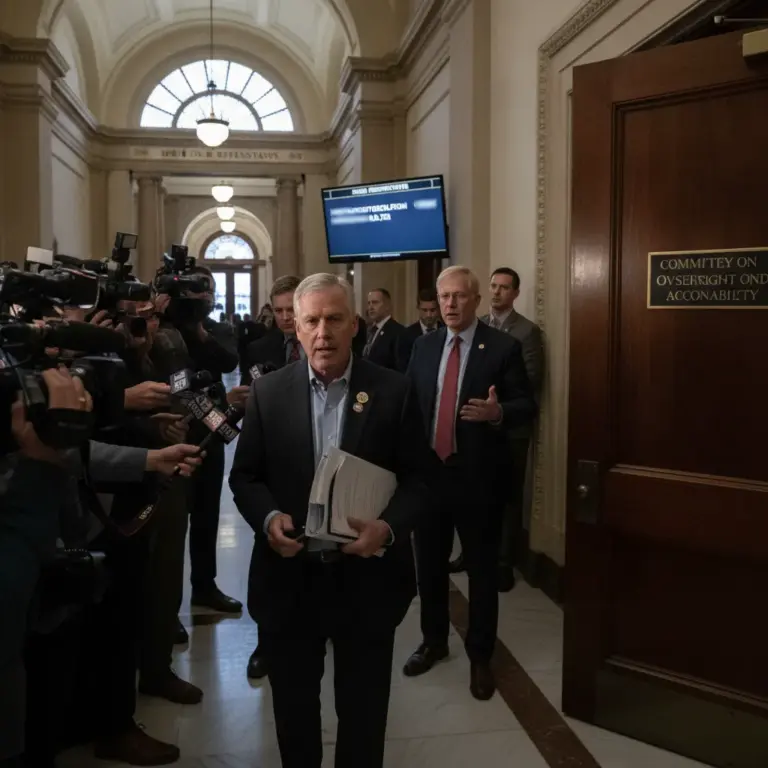
Representative Thomas Massie is attempting to force a showdown in the House of Representatives by refiling articles of impeachment against Defense Secretary Pete Hegseth. The move comes after an initial attempt in September was derailed when Speaker Mike Johnson canceled voting days prior to the midterm recess. Now a defeated candidate following a primary loss, Massie insists his efforts are not merely symbolic, arguing that Hegseth has violated the Constitution and failed fundamentally in his role leading the Pentagon.

At the heart of the resolution is Massie’s opposition to the administration’s conduct during the war in Iran and specific military actions in the Caribbean. The lawmaker alleged that strikes on vessels resulted in over 200 deaths and criticized the targeting of individuals without proper identification, claiming such tactics jeopardize U.S. forces. Additionally, Massie pointed to Hegseth’s contentious relationship with Senator Mark Kelly, noting that the Defense Secretary attempted to strip the former Navy captain of his rank and pension after Kelly advised troops to resist unlawful orders.

The timing of this push creates a volatile atmosphere as Democrats prepare to take control of Congress. Massie warned that while he is seeking action now, Hegseth faces far greater peril once Democrats hold the gavel, suggesting they will bring forward witnesses and protected whistleblowers for a full Senate trial. While removing an official requires a two thirds majority in the Senate, Massie believes current GOP leadership should act now rather than wait for a potentially more aggressive Democratic inquiry into civilian casualties and legal breaches.

Beyond the internal GOP clash, tensions are peaking between incoming leadership and White House officials. Representative Hakeem Jeffries expressed total disdain for newly named Chief of Staff Stephen Miller, calling him a racist and stating he has zero interest in collaborating with him. As Jeffries navigates his own path toward becoming Speaker amidst pressure from his party’s progressive base, these clashes signal a deeply polarized legislative environment where bipartisan cooperation on national security or immigration appears increasingly unlikely.

Xavier Becerra’s recent victory as governor marks a historic milestone for California, making him the state’s first elected Latino governor and the fifth consecutive Catholic to hold the office. For Becerra, the intersection of faith and governance is a personal journey, one where the Catholic principle of the sanctity of life informs his worldview even as he champions abortion rights. This apparent contradiction highlights a broader trend in California, where deep religious roots often coexist with an aggressively progressive political identity.

According to experts like David Gibson from Fordham University, there is no monolithic Catholic vote. Unlike some religious demographics that lean heavily toward one party, American Catholics remain a politically diverse group. In California, this diversity is particularly evident among different ethnic communities; while seven out of ten Latino Catholics backed Becerra, white Catholics were far more divided between him and his Republican opponent, Steve Hilton. This internal friction mirrors a national landscape where Catholic voters frequently split their allegiances across party lines.

The influence of Catholicism in California extends beyond the ballot box and into the very architecture of its society. With twenty five percent of adults identifying as Catholic, the state holds more adherents than anywhere else in the country. From Governor Gavin Newsom’s move to commute hundreds of death sentences—a decision praised by church leaders—to Archbishop Salvatore Cordileone’s public clashes with Representative Nancy Pelosi over communion, the faith manifests in wildly different ways depending on whether it is viewed through a theological or political lens.

This cultural presence is anchored in centuries of history, beginning with the Spanish missions established long ago. While these sites are symbols of endurance for families like Tracy Creighton’s, they also represent a complicated legacy involving the mistreatment of Native Americans. Today, educators and theologians are working to help younger generations navigate these tensions, acknowledging that being Californian often means balancing a devotion to ancestral traditions with a commitment to modern social justice and historical accountability.

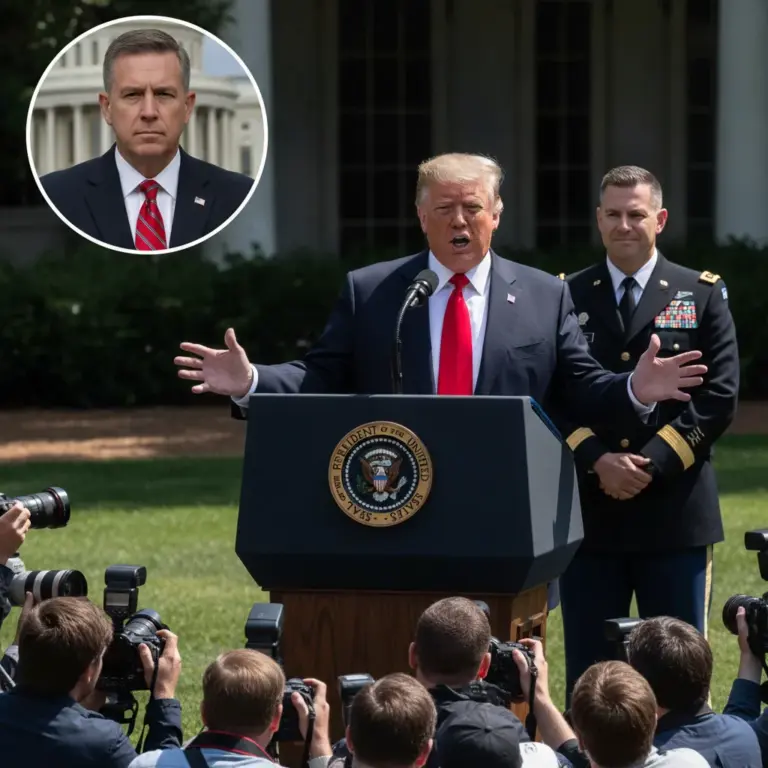
President Donald Trump has firmly committed to supporting Secretary of Defense Pete Hegseth amid a sudden push for his removal from office. Speaking during an impromptu White House press conference, the president vowed to stand by his defense chief after Representative Thomas Massie filed articles of impeachment against Hegseth. In typical fashion, Trump did not hold back in his criticism of the Kentucky Republican, labeling Massie a stone cold loser and suggesting that the congressman possesses a great deal of hatred in his heart.

The conflict centers on Hegseth’s role in the war with Iran, which Massie argues justifies impeachment. However, Trump dismissed the move as a waste of time, praising Hegseth for doing a very good job and arguing that their actions have made the world safer. To highlight what he views as hypocrisy within the government, Trump compared the situation to former Secretary Lloyd Austin’s previous hospitalization, questioning why such incidents were overlooked while Hegseth is being targeted despite winning two wars.

While Trump remains steadfast, other members of his own party are signaling deep discontent. Retiring Senator Thom Tillis expressed a total lack of confidence in Hegseth, calling him a distraction that needs to go and urging the president to ask him to step down. This internal friction comes at a volatile moment for the administration, as Trump simultaneously faces backlash from his core base over recent suggestions regarding legal status for certain undocumented immigrants and critiques regarding his choice of Stephen Miller as chief of staff.

As Congress enters its lame duck session with limited time remaining before the arrival of the 120th Congress, the political tension continues to mount. For Representative Massie, this impeachment attempt is less about personal animosity toward Hegseth and more about a broader battle over war powers between Congress and the executive branch. With a vote expected by Wednesday, the clash underscores a growing divide within GOP ranks even as they prepare for a dramatically reshaped legislative landscape following disappointing midterm losses.

Nvidia shares took a significant hit during early trading on Monday, wiping nearly 247 billion dollars off the company’s market valuation as uncertainty grows surrounding the future of CEO Jensen Huang. The turmoil follows an announcement from the board of directors regarding an independent investigation into claims that Huang may have been targeted in a Chinese intelligence operation. Shares slid roughly five percent, dropping to 176.24 dollars, reflecting deep investor anxiety over whether the visionary leader who steered the chipmaker to a multi trillion dollar valuation can remain at the helm.

At the heart of the controversy is Huang’s reported relationship with Alice Huang, a former executive at Megaspeed International. U.S. intelligence officials suspect she acted as a spy for China’s Ministry of State Security. While the Chinese government has dismissed these accusations as baseless slander and Nvidia’s own board suggests there is no evidence that national security or corporate secrets were leaked, the optics have created what some analysts call a black eye for the company. A spokesperson for Nvidia noted their belief that the U.S. government would have alerted them if a genuine threat existed.

Industry experts warn that replacing Huang would be an immense challenge given his status as the primary architect of Nvidia’s global dominance in artificial intelligence. Often compared to Steve Jobs for his singular influence on the company’s identity and strategy, Huang currently lacks a clear successor within the organization. This leadership vacuum adds another layer of risk for shareholders, especially since NVIDIA has already seen its stock struggle recently amidst broader volatility in AI investments and tightening export controls on high end chips destined for China.

Beyond the immediate impact on share prices, observers fear this scandal could trigger aggressive congressional inquiries and prompt U.S. regulators to tighten restrictions further on semiconductor exports to China. Because Huang has spent considerable time lobbying federal authorities to allow certain modified chips into the Chinese market, any perception of compromise could lead to more draconian trade barriers. For now, investors are left waiting to see if the internal probe clears Huang’s name or signals a seismic shift in leadership for the world’s leading AI hardware provider.