Archive

October 27, 2026

Browsing

The fight for control of the Senate has taken an unexpected turn toward deep red territory, sparking a strategic gamble that could either distract Republicans or trap Democrats in a bubble of unrealistic optimism. In a surprising move, a top Democratic super PAC poured over a million dollars into Mississippi to support challenger Scott Colom. While the state hasn’t sent a Democrat to the Senate since 1982, the sudden surge forced Republicans to react quickly, matching the spending and prompting Donald Trump to schedule a rally to bolster Senator Cindy Hyde Smith. By forcing the GOP to defend land they previously considered safe, Democrats are creating headaches for their opponents who are already stretched thin across other battlegrounds like Texas and Ohio.

However, this aggressive expansion comes with significant risks for the Democratic camp. Strategists warn that by making inroads in unlikely places, the party may be inflating expectations to dangerous levels. Even if Democrats achieve historic victories by flipping North Carolina or capturing Texas, failing to secure an outright majority could be perceived as a disaster rather than a triumph. With Vice President JD Vance holding the tie-breaking vote, any result that leaves Democrats one seat short of control could lead to internal finger-pointing and accusations of failure despite substantial gains.

Republicans seem largely comfortable letting this narrative build, viewing it as a psychological trap. Some GOP insiders argue that if Democrats hype up an impending wave only to fall short, the resulting disappointment will be self-inflicted. They point to past campaigns where high hopes crashed into reality, suggesting that current polling might be overly optimistic due to unreliable data or fringe enthusiasm. For now, Republicans are happy to let their opponents carry the burden of expectation while they focus on shoreing up their defenses in traditional strongholds.

Beyond the immediate struggle for Senate seats, a quieter competition is unfolding as eyes drift toward 2028. Potential presidential contenders from both sides are treating certain states as laboratories for future runs, often visiting regions like South Carolina long before any official declarations are made. These visits act as a shadow primary, allowing ambitious politicians to test their messaging and build name recognition away from the main headlines of the midterms. This dual track of campaigning shows that while the current battle is about legislative control, many players are already calculating their path to the White House.
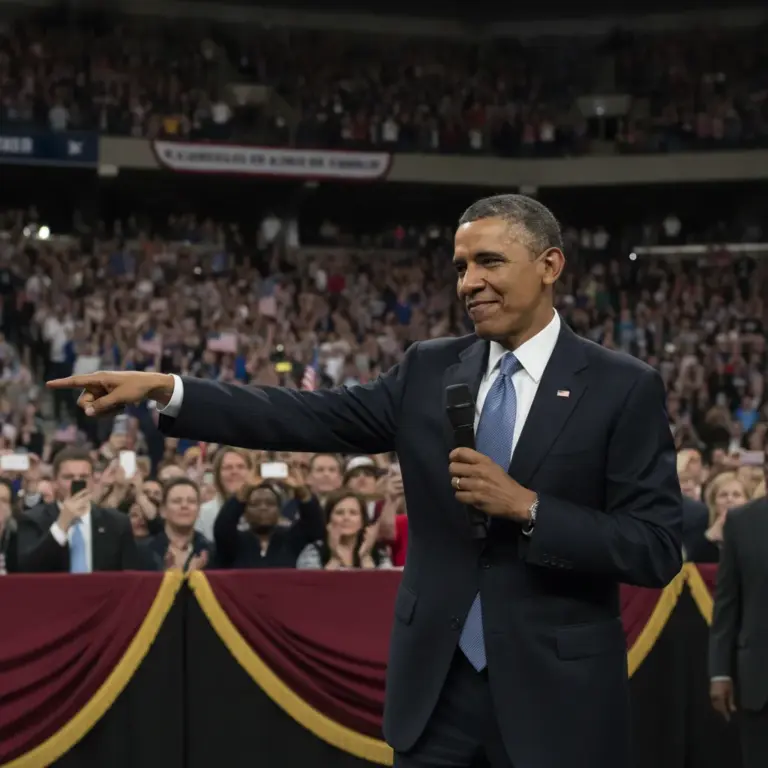

Former President Barack Obama returned to the campaign trail in Cleveland this weekend, delivering a scathing critique of Donald Trump during his first major rally of the midterm season. Speaking before a capacity crowd of over 10,000 people, Obama painted a portrait of the current president as an agent of chaos and cruelty who has failed to deliver on his promises. The former president leaned heavily into humor to land his punches, mocking Trump’s taste in interior design and suggesting that his obsession with White House renovations makes him better suited for a home improvement television show than the Oval Office.

Beyond the jabs at Trump, Obama used the platform to bolster Democratic candidates Amy Acton and Sherrod Brown in a state that has become an essential battleground. He took particular aim at Republican gubernatorial candidate Vivek Ramaswamy following a controversial attack ad featuring Acton’s estranged mother. Calling Ramaswamy desperate for attention, Obama questioned how political standards had fallen so low that such personal attacks were deemed acceptable. This sentiment was echoed by Acton herself, who thanked the crowd for their support while accusing her opponent of exploiting her childhood trauma to salvage a struggling campaign.

The energy in the room remained high as Obama praised Sherrod Brown for his lifelong commitment to working class citizens, though not without some lighthearted ribbing regarding Brown’s famously frugal wardrobe. As the rally concluded, Brown warned voters about systemic corruption in Washington, linking his own opponent to billionaire interests. The event highlighted the deep polarization currently gripping Ohio, where Republicans quickly countered by claiming that the alliance between Obama and Brown represents a regressive agenda of higher taxes and open borders. With polls showing several key races as toss ups, both parties are treating the Buckeye State as a critical inflection point for the national political landscape.

The landscape of American energy shifted significantly today as EQT Corporation announced its intention to acquire Range Resources in a massive all stock transaction. This strategic move is being viewed by industry analysts as a blockbuster consolidation within the Appalachian Basin, effectively combining two of the most influential players in the shale gas sector into a single powerhouse.

By absorbing Range Resources, EQT aims to solidify its dominance over the Marcellus Shale, optimizing production costs and streamlining operations across their vast network of drilling sites. The decision to structure the acquisition through an all stock exchange suggests a mutual desire for long term growth and shared risk among shareholders rather than a traditional cash buyout.

This merger comes at a pivotal time for the domestic energy market as companies race to maximize efficiency amid fluctuating global demand. Industry insiders expect that the combined entity will possess unprecedented leverage in transporting gas via pipelines and negotiating contracts, potentially altering the competitive dynamics of natural gas pricing throughout the region.

While details regarding specific timelines remain under wrap, both boards have expressed confidence that the synergy between the two firms will create significant value for investors. For now, workers and stakeholders in Pennsylvania and West Virginia are watching closely to see how this integration will impact local employment and regional environmental management strategies moving forward.

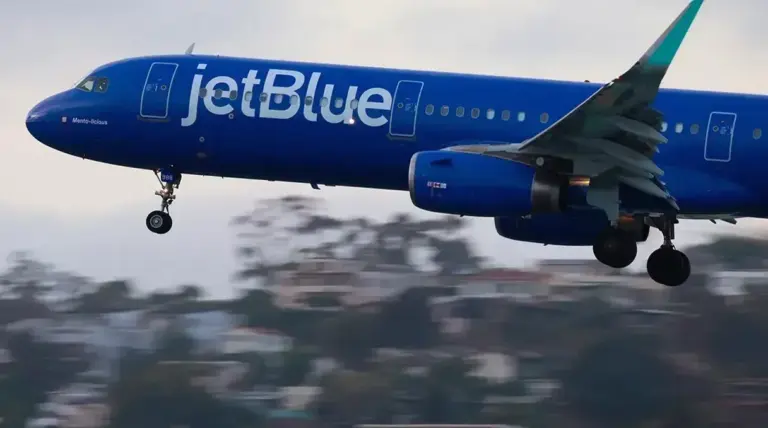
A coalition of senior creditors for JetBlue Airways has brought in heavy hitting financial and legal experts to navigate the airline’s increasingly shaky fiscal waters. According to reports from The Wall Street Journal, the group has enlisted the help of investment bank PJT Partners and law firm Akin. This move comes amid a sharp decline in the value of JetBlue’s senior secured notes, which plummeted from around 80 cents on the dollar last month to nearly 42 cents recently, signaling growing anxiety among those who have lent the company money.

The airline is currently battling a perfect storm of soaring operational costs and a massive debt load totaling about 8.5 billion dollars. While passenger demand remains strong, skyrocketing fuel prices have eaten away at any potential gains. In its most recent quarterly filing, JetBlue revealed a net loss of 247 million dollars, a significant jump from previous losses. Much of this pain stems from fuel expenses that surged over 80 percent year over year, leaving the carrier struggling to keep pace with spending even as revenues climb.

Despite these red flags and a stock price that has tumbled significantly since early August, leadership at JetBlue insists they are far from collapse. CEO Joanna Geraghty previously assured staff that bankruptcy is not on the horizon and pointed toward the company’s remaining cash reserves and available credit lines as evidence of stability. Management continues to push its JetForward strategy intended to streamline operations and return the carrier to profitability.

Industry analysts note that hiring advisors does not automatically mean a company is heading toward insolvency; often, it is simply a defensive measure for lenders to protect their interests during volatile periods. All eyes will now be on JetBlue’s upcoming third quarter earnings report on October 27, which should provide a clearer picture of whether the airline can successfully weather this economic turbulence or if deeper structural changes are required.

Microsoft is making a sweeping move to reshape its global workforce, offering voluntary buyouts to approximately 60,000 employees. This initiative targets roughly one quarter of the company’s total staff across the United States, Canada, India, and the United Kingdom. According to a memo from chief people officer Amy Coleman, the program is intended to provide a supportive transition for those already contemplating a career change while helping the tech giant optimize its internal operations.

The timing of these departures coincides with an aggressive financial pivot toward artificial intelligence. During a recent earnings call, CFO Amy Hood revealed that the company plans to pour 175 billion dollars into AI infrastructure and data center expansions in 2026 alone. By encouraging mid-level employees at or below the vice president level to take early exits, Microsoft can reduce immediate labor costs to fuel this massive technological gamble.

This latest wave of exits follows several other headcount reductions throughout the year. Back in May, reports surfaced regarding buyout offers for thousands of U.S. workers, followed by nearly 5,000 job cuts in July that heavily impacted the Xbox division. These shifts have already begun to shrink the overall payroll, which dropped from 228,000 at the end of last year to around 223,000 by June.

While many are eligible for the current offer, certain critical roles remain off limits. The company indicated that personnel working in sales and marketing, as well as those managing data centers—the very heart of their AI push—are ineligible for the buyout. For everyone else qualifying for the limited-time window, Microsoft is promising financial cushioning and career planning tools as they navigate their way out of the organization.

The Federal Trade Commission has launched a legal battle against Dollar General, alleging that the discount retailer engaged in systemic and deceptive pricing tactics over an extended period. According to the complaint filed in the U.S. District Court for the Middle District of Tennessee, customers were frequently charged higher prices at checkout than those listed on store shelves or promised in promotional advertisements. This discrepancy suggests a pattern of misleading consumers right at the point of sale.

Joining the FTC in this effort are twenty different states, ranging from California and Florida to Michigan and Tennessee. The lawsuit claims that company leadership had extensive internal knowledge of these pricing errors but failed to implement necessary corrections. By allowing these discrepancies to persist, regulators argue that the company took unfair advantage of its customer base through calculated negligence.

Christopher Mufarrige, director of the FTC’s Bureau of Consumer Protection, stated that these actions represent a betrayal of trust toward millions of Americans. He emphasized that such practices cause genuine financial harm to low income communities and families who are already struggling to stretch their budgets amidst rising living costs across the country.

This legal action comes at a time when public frustration with inflation is peaking, with many shoppers becoming increasingly wary of how major corporations set their prices. While Dollar General has not yet issued an official response to the allegations, the case highlights a growing regulatory crackdown on retail transparency during an era where perceived price manipulation is under intense scrutiny.

A routine red eye flight from Las Vegas to Newark turned into a chaotic ordeal on Saturday night when a twenty five year old passenger allegedly threatened to hijack the aircraft. Shortly after takeoff, reports emerged of a passenger sending messages claiming he intended to seize control of the plane and crash it specifically into another row of seats. While the exact method of communication remains unclear, the nature of the threat prompted an immediate reaction from the crew and air traffic controllers.

The United Airlines flight, carrying roughly one hundred and fifty passengers, was forced to turn around and land back at Harry Reid International Airport less than an hour after its departure. Once on the ground, Las Vegas police quickly detained the suspect. According to criminal complaints, the man faces charges related to providing false information regarding an act of terrorism, a serious offense that could result in up to twenty years in prison.

Passengers were left stranded overnight as authorities cleared the scene and addressed what United described as a potential security concern. The journey eventually resumed on Sunday morning once safety protocols were satisfied. Legal representatives for the accused have not yet commented on the situation ahead of his first court appearance scheduled for Tuesday.

This incident comes amid a growing trend of volatility in the skies, with the Federal Aviation Administration reporting more than fourteen hundred unruly passenger incidents already this year. FAA officials have confirmed they are launching a full investigation into this specific event to determine why such a breach occurred during flight.