Archive

October 26, 2026

Browsing

Serbia has woken up to a new political reality following a stunning electoral victory by the Student List, a movement that evolved from grassroots campus protests into the nation’s dominant political power. In a surprising turn of events, outgoing President Aleksandar Vučić conceded defeat, acknowledging that his Serbian Progressive Party had been eclipsed. According to initial figures shared by Vučić, the Student List captured approximately 2.2 million votes, securing roughly 52 percent of the share and claiming between 135 and 140 seats in parliament.

This result marks a definitive break from over a decade of political dominance by Vučić and his party. For years, the ruling establishment maintained control through a sophisticated organizational machine and deep influence over the media landscape. However, the rise of the Student List proves that the appetite for change extended far beyond university halls, drawing in the urban middle class and disillusioned voters who had long avoided traditional opposition parties. What began as a outcry against corruption and institutional decay successfully transitioned from street mobilization to genuine electoral legitimacy.

Despite the euphoria surrounding their win, the newcomers now face the daunting task of transforming a protest movement into a functioning government. The transition promises to be complex as these young leaders move from criticizing policy to managing national security, public finance, and high-stakes diplomacy involving the European Union, Russia, and China. While they have proven they can dismantle an old order, they must now demonstrate they possess the experience and stability required to govern a sovereign state.

As Serbia enters this period of uncertainty, all eyes are on how this generational shift will reshape the country’s institutions. With Vučić’s influence severely diminished and his political future clouded, there are high expectations for a total reset regarding judicial independence and media freedom. The world is watching to see if this youthful surge can deliver on its promise of accountability or if the complexities of statecraft will temper their revolutionary ambitions.

Thousands of demonstrators flooded Prague’s Old Town Square this Sunday to voice their outrage over a controversial government plan to overhaul how public media is funded. The crowd gathered to demand the immediate withdrawal of legislation that would scrap traditional household license fees, replacing them with direct allocations from the state budget. Protesters expressed deep concern that shifting financial control to the government will effectively stifle press freedom and turn public broadcasting into a mouthpiece for the ruling coalition.

The tension stems from a rare and hurried overnight session in the lower house of parliament, where lawmakers pushed through the bill during the early hours of Saturday morning. Many in the crowd chanted 4:36, marking the exact time the measure was approved, arguing that the rush was a deliberate attempt to silence opposition debate. While Prime Minister Andrej Babis maintains that the reform is simply about increasing funding transparency, critics argue it mimics populist tactics seen in Hungary and Slovakia, potentially allowing the state to punish critical reporting by cutting budgets.

Beyond the street protests, a broader wave of resistance is building across various sectors of society. Public media employees have already announced a strike scheduled for November 3rd, receiving backing from labor unions, church leaders, and academic rectors who view the move as an existential threat to journalistic independence. This unrest comes amid wider political friction regarding Babis’s agenda, including his administration’s efforts to reduce support for Ukraine.

As the bill moves toward a final vote in the upper house, opposition leaders have vowed to fight back via the constitutional court. To keep the momentum alive, organizers are planning another massive rally at Letna Park on November 15th. By timing the demonstration just days before the anniversary of the Velvet Revolution, protesters intend to draw a symbolic parallel between today’s legislative battle and the historic struggle against totalitarian censorship that liberated Czechoslovakia decades ago.

In a surprising political maneuver just days before the US midterm elections, Audi CEO Gernot Döllner appeared alongside Donald Trump at a campaign rally to unveil plans for a four billion dollar SUV plant in Macon, Georgia. This marks the luxury brand’s first dedicated manufacturing facility in the United States, designed to produce 200,000 vehicles annually including the Q7, Q8, and the upcoming Q9. By moving production of these heavy hitters away from Slovakia and into Georgia, Audi hopes to bypass the punishing fifteen percent tariffs on EU imports that have crippled its margins.

The decision comes as part of a broader struggle for parent company Volkswagen, which estimates that trade wars and import duties cost it up to five billion euros every year. To survive the current climate, the automaker has been forced to shuffle production lines across borders and pivot toward larger petrol powered models specifically tailored for American tastes. Despite public complaints about how restrictive these tariffs are for international trade, Volkswagen seems determined to play ball with the administration to protect its access to one of the world’s most lucrative automotive markets.

However, this massive expansion abroad creates a jarring contrast with the situation back in Germany. As billions flow into Georgia and thousands of new American jobs are promised, Volkswagen is grappling with a domestic crisis involving potential closures and cuts of up to 100,000 positions. Executives blame this decline on fierce competition from Chinese manufacturers and the astronomical costs associated with transitioning to electric vehicles globally.

While critics point out that producing massive petrol SUVs contradicts global carbon reduction goals, Audi views the gamble as essential for survival. For Trump, who frequently claims his tariff policies are revitalizing American industry despite falling overall employment numbers in vehicle parts, the announcement provides a timely victory lap right before voters head to the polls. For Döllner and Volkswagen, it is simply a costly price they must pay to keep their premium fleet on American roads.

Serial entrepreneur Marc Lore is attempting to redefine how Americans eat with Wonder, a vertically integrated food technology platform that bundles multiple restaurant concepts into single hubs. By leveraging his experience in e-commerce and a massive war chest of investments, Lore has scaled the company rapidly, reaching a pre-money valuation of 9 billion dollars. His strategy relies on removing the friction of traditional delivery through the acquisition of Grubhub, allowing Wonder to bypass typical commission fees and offer high quality meals at prices intended to compete with grocery deliveries.

The company is currently eyeing an aggressive expansion into Texas, aiming to launch at least 100 locations across the state by late 2027. Unlike traditional eateries, Wonder utilizes electric storefronts that require no gas or venting, enabling them to set up shop quickly in urban and rural areas alike. These sites act as curated food halls featuring everything from celebrity chef creations to acquired cult favorites, all prepared via centralized commissary kitchens and finished locally for maximum efficiency.

Automation is central to Lore’s long term vision, with current systems already handling the assembly of bowls and salads. The ultimate goal is a fully autonomous preparation and delivery cycle by 2040. Beyond robotics, Lore is exploring innovative revenue streams including a subscription model that would allow users to essentially operate their own virtual restaurants within the ecosystem. This push toward scalability suggests a broader desire to capture markets in exurban regions where dining options are often limited to fast food chains.

As Wonder continues its ascent, Lore is signaling that an initial public offering may be on the horizon once market conditions stabilize. While he has remained vague on specific timing, he views going public as a way to secure the capital necessary for further mergers and acquisitions to build what he calls a generational business. Having previously exited ventures like Diapers.com and Jet.com for billions, Lore believes his formula of combining accessibility with cutting edge tech creates a moat that remains defensible even in an era dominated by artificial intelligence.

The loss of a longtime partner can often serve as a wake up call, and for PepsiCo, the departure of KFC feels particularly poignant. After four decades of association, including a period when Pepsi actually owned the fried chicken giant, KFC announced it will replace Pepsi products with Coca-Cola across its 3,700 U.S. locations this January. While the move represents only a small fraction of total sales, it serves as a visible symbol of the eroding brand power that has plagued the cola titan in recent years.

The gap between the two rivals has widened significantly since the era of flashy celebrity endorsements and high stakes taste tests. Once separated by only a few percentage points in market share, Pepsi now trails far behind Coke’s dominant lead. The slide reached a historic low in 2024 when Pepsi dropped to third place in the U.S. carbonated soft drink market, falling behind Dr Pepper for the first time ever. This decline highlights a strategic divergence where Coca-Cola focused intensely on brand innovation and lean operations while Pepsi evolved into a diversified conglomerate.

For years, PepsiCo executives essentially left their soda business on autopilot, distracted by the massive success of their Frito Lay snack division. Because chips and dips offered far higher profit margins than sugary drinks, investments flowed toward Doritos and Cheetos rather than promoting the flagship cola. This strategy worked as long as snack sales soared, but inflation has recently caused consumers to push back against rising chip prices, leaving the company vulnerable just as they realized their beverage wing had stagnated.

CEO Ramon Laguarta has openly admitted that the beverage side of the house requires urgent attention and renewed focus. To stem the tide, the company is looking to ramp up marketing spending and expand its portfolio through acquisitions like prebiotic soda maker Poppi. However, some activists believe these tweaks aren’t enough and are calling for a complete corporate divorce between the food and drink divisions to unlock hidden value and force a dedicated return to winning the cola wars.

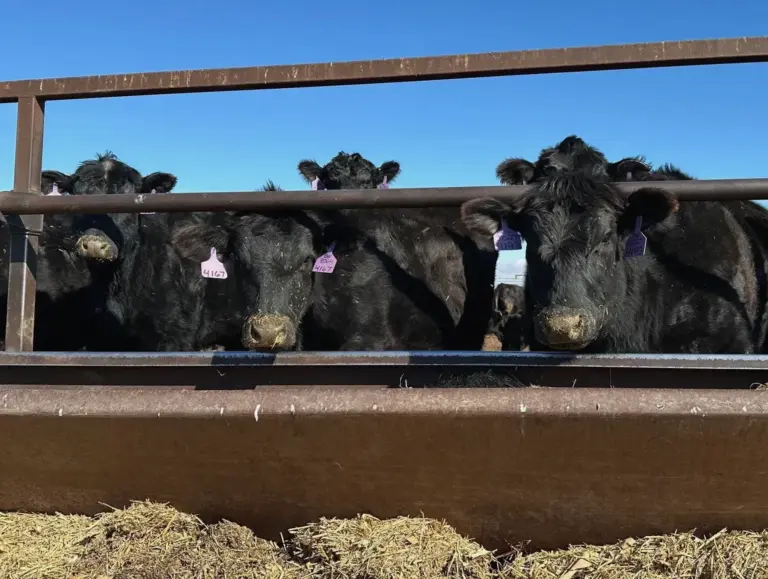
A recent decision by President Donald Trump to implement a ninety day pause on specific beef tariffs has sent shockwaves through the American heartland. While the move was designed to lower grocery bills for consumers by easing the flow of cheaper imports, primarily from Brazil, it has left many domestic producers feeling abandoned. Ranchers who were preparing to send their cattle to market saw auction prices plummet almost immediately, turning what should have been a profitable season into a period of financial instability.

The backlash has extended beyond individual farms to major industry advocates. Organizations including the National Cattlemen’s Beef Association and the Farm Bureau have voiced strong opposition, while several rural Republican lawmakers have found themselves distancing themselves from the administration’s stance. Despite this friction, it remains uncertain if these grievances will translate into a political shift during the upcoming midterms. Some ranchers admit frustration but suggest that broader support packages, such as billions in federal farm relief, may keep them loyal to the current administration.

Agricultural economists warn that this volatility does more than just hurt short term profits; it disrupts long term investment. David Anderson of Texas A&M University notes that higher prices earlier this year should have encouraged ranchers to expand their herds, which are already at their lowest levels since 1951. By making foreign imports cheaper, the government effectively muted those market signals, discouraging domestic growth at a time when stability is desperately needed.

Beyond politics and trade wars, the industry is fighting a losing battle against environmental stressors and rising overhead. Intense drought cycles driven by warming temperatures have increased feed costs, while geopolitical tensions have pushed up the price of fuel and fertilizer. This combination of erratic trade policy and harsh climate conditions creates a daunting landscape for the next generation, leaving many young heirs wondering if the grueling life of a rancher is still financially viable.

The glittering promise of an artificial intelligence revolution may be hitting a wall of reality for the average American corporation. According to a recent analysis from Torsten Slok, the chief economist at private equity powerhouse Apollo Global Management, the massive wave of investment pouring into AI has yet to translate into actual profits for companies operating outside the narrow confines of the tech sector.

To get a clear picture of the landscape, Slok examined what he calls the S&P 493, effectively stripping away the seven dominant tech giants like Nvidia, Microsoft, and Apple from the broader market index. His findings suggest that for these remaining hundreds of companies, both profit margins and revenue per employee have remained stubbornly flat. Despite the pervasive hype surrounding generative tools and automation, there is little to no empirical evidence that AI is currently driving meaningful productivity gains across general industry.

Slok remains skeptical that non-tech firms can easily replicate the success of their software-driven counterparts. He argues that while AI functions as an incredibly powerful calculator, it lacks the essential elements required to actually grow a business. In his view, true commercial success relies on judgment rather than raw data processing, noting that machines cannot grasp complex human concepts such as accountability, organizational culture, or ethical trade-offs.

Ultimately, this suggests a fundamental disconnect between technical capability and financial utility. Because AI struggles with trust and reputation management—factors that heavily influence long-term revenue growth—it may remain a sophisticated tool without becoming a primary engine for profitability. This perspective aligns with other recent studies indicating that the anticipated surge in global productivity has failed to materialize in real-world balance sheets.