Archive

October 23, 2026

Browsing

In a political landscape often defined by rigid party loyalty and career ambition, the Democratic challenger seeking to unseat Representative Elise Stefanik is attempting to frame their candidacy through a lens of personal detachment. During recent discussions about their motivations for entering the race, the candidate emphasized that while they are committed to public service, their core identity remains separate from the machinery of government and partisan warfare.

This strategy appears designed to appeal to independent voters and moderates who have grown weary of the hyper-polarized nature of modern Washington. By insisting that their sense of self is not rooted in politics, the candidate seeks to present themselves as a pragmatic outsider rather than a lifelong operative, suggesting that their primary goal is solving community problems rather than climbing a political ladder.

The bid comes at a time when many districts across the country are seeing candidates struggle to move beyond national talking points. In trying to flip a seat held by one of the most prominent figures in the Republican Party, the challenger is betting that a more grounded, human approach will resonate more deeply with constituents than standard campaign rhetoric. It is a gamble on authenticity in an era where voters increasingly feel alienated by the professional political class.

As the November elections approach, political strategists are increasingly focusing on a demographic that refuses to be put into a neat box. Women voters in Texas are emerging as a pivotal force capable of swaying the state’s political trajectory, but experts warn that treating them as a monolith is a losing strategy. According to Natalie Arceneaux, these voters possess a diverse array of priorities that often blur traditional partisan lines, blending fiscal conservatism with social liberalism or vice versa depending on their personal lived experiences.

At the heart of this shift are pragmatic concerns regarding affordability and healthcare. Because women frequently manage household budgets and navigate complex family medical needs, the rising cost of living and limited access to care have become high stakes issues. Beyond the wallet, the concept of personal autonomy and the right to make independent decisions about one’s own health continue to weigh heavily on minds across the state, creating an opening for candidates who can speak authentically to these anxieties without relying solely on party slogans.

This dynamic presents a unique hurdle for candidates transitioning from primaries to general elections. While firebrand rhetoric often wins over a party base, capturing the middle requires a more nuanced approach. Arceneaux suggests that victory depends on finding common ground that resonates with those who feel no deep allegiance to either side of the aisle. This is particularly true for challengers attempting to unseat incumbents; messaging that feels too narrow or overly partisan risks alienating the very swing voters needed to flip a seat.

Ultimately, the diversity within this voting bloc—spanning Gen Z newcomers to seasoned retirees—means there is no single silver bullet for winning their support. As Texas considers its place in the national landscape and evaluates its representation in the U.S. Senate and statewide offices, the outcome may depend less on ideological purity and more on which candidate can prove they understand the daily realities facing Texas women today.

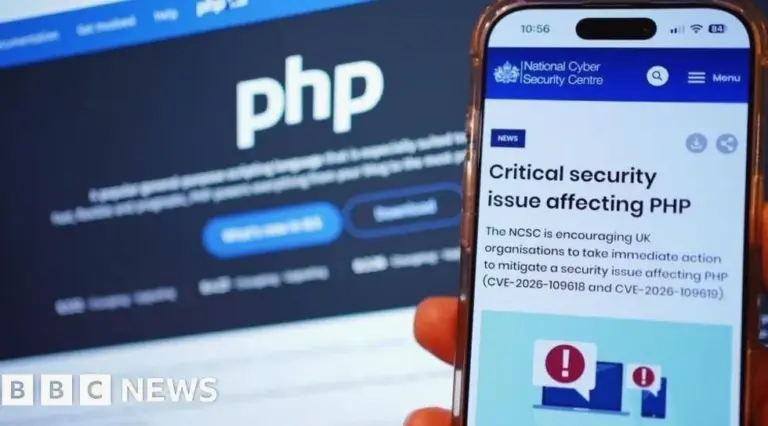
The digital landscape is currently gripped by a tension reminiscent of a wartime evacuation, as security experts race to neutralize vulnerabilities within PHP, the programming language powering millions of websites worldwide. Technology and AI editor Zoe Kleinman describes the situation as the cyber equivalent of an unexploded bomb, noting that while no catastrophic breach has occurred yet, the sheer scale of the potential disaster has prompted unprecedented global anxiety. Unlike previous ransomware attacks that paralyzed major corporations, this crisis centers on latent flaws that have sat dormant for years, waiting for a catalyst to trigger them.

While these weaknesses were historically difficult for human hackers to exploit, the rise of artificial intelligence has changed the calculus entirely. AI tools are now capable of identifying and weaponizing bugs at speeds that dwarf human ability. In a strange twist of irony, AI played both sides of the coin; it helped researchers discover these holes and enabled the PHP foundation to develop a fix before a widespread collapse could occur. However, when news of the vulnerability leaked prematurely, it sparked a frantic scramble between defenders rushing to patch their systems and attackers attempting to break through.

Industry leaders including Cloudflare and Palo Alto Networks report that millions of attempted intrusions have already been detected. This creates a perilous window of exposure known as a real dilemma among academics like Professor Alan Woodward, who notes that alerting users to a flaw often serves as a roadmap for criminals. While some optimists view this as a victory for collaborative AI defense, others warn that bad actors possess similar capabilities and are likely working tirelessly behind the scenes to bypass current protections.

For many website owners, however, solving the problem is not as simple as clicking an update button. Because the critical patch only functions on the most recent version of PHP, thousands of legacy sites face arduous upgrades before they can be secured. As cybersecurity authorities urge immediate action to prevent the metaphorical bomb from detonating, developers across the globe are facing sleepless nights trying to modernize outdated infrastructure before someone finds a way in.

Businesses and governments worldwide are currently locked in a frantic race to patch their digital defenses following the discovery of severe vulnerabilities in PHP, a foundational programming language that powers roughly seventy percent of all websites. The flaws, dubbed php2shell, allow unauthenticated attackers to potentially execute remote code on servers, leaving millions of sites exposed to hacking if they remain unupdated. While the PHP Foundation and cybersecurity firms like Wiz worked to alert users, the scale of the threat prompted immediate panic, leading many organizations to pull their websites offline entirely as a safeguard.

The fallout has reached the highest levels of government, with Downing Street confirming that dozens of UK services were taken offline as precautionary measures. Tech minister Baroness Lloyd of Effra informed the House of Lords that thirty two government services became unavailable during the mitigation process. Although officials insist no critical public facing services were compromised and no successful breaches have been officially confirmed yet, experts warn that the full impact of such a massive vulnerability often takes months to surface completely.

On the ground, the disruption is causing tangible headaches for small business owners. In South Wales, one garage owner reported being unable to process MOT certifications online since Wednesday, forcing him to revert to manual paper records and creating significant delays for his customers. This local struggle mirrors a broader global trend where companies like France’s Orange have suspended various services globally while deploying essential security fixes. Even giants like Wikipedia witnessed temporary outages as administrators scrambled to secure their platforms.

Despite the lack of confirmed breakthroughs, indicators suggest hackers moved with lightning speed once the flaw became known. Matthew Prince, head of Cloudflare, noted that exploitation attempts surged from thousands per hour to millions shortly after the public announcement. Cybersecurity specialists emphasize that the window for responding to these threats has shrunk from weeks to mere hours, placing immense pressure on engineers who must now audit vast amounts of legacy code across an aging web infrastructure.

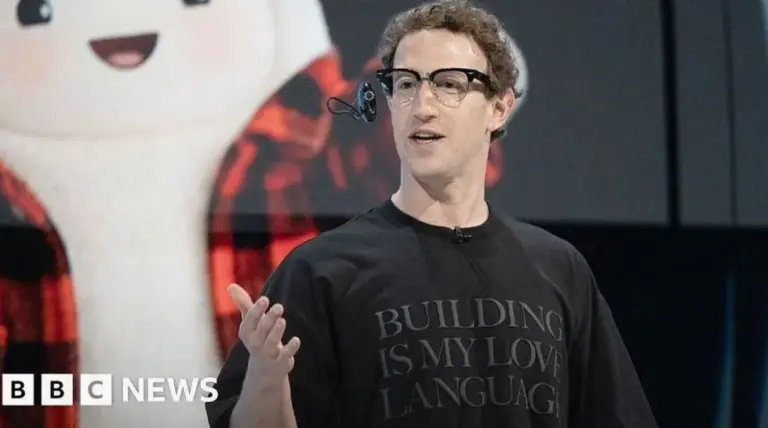
Mark Zuckerberg has reached a high stakes agreement with Meta to ensure that a potential new tax in California doesn’t prompt him to pack his bags. Facing a proposed one time five percent levy on residents with a net worth exceeding one billion dollars, the tech mogul could be looking at a ten billion dollar tax bill if voters approve the measure this November. To prevent Zuckerberg from relocating his primary residence and potentially unsettling the company’s leadership image, Meta has orchestrated a complex stock arrangement designed to offset those losses.

The deal followed what were described as robust and occasionally contentious negotiations between Zuckerberg and a special committee of the company’s board. Through a strategic stock split, Meta has created a new class of shares that allows Zuckerberg to increase his holdings and liquidate them on a quarterly basis over the next eight years. While these moves won’t alter his absolute control over the firm, they provide him with a convenient mechanism to recoup any wealth lost to state taxes, effectively using corporate instruments to insulate his personal fortune.

Meta executives defended the Founder Alignment Agreement as critically important, arguing that keeping Zuckerberg physically present in California is essential as the company navigates an unprecedented shift toward artificial intelligence. The board pointed back to the challenges of the pandemic era when remote work from Hawaii coincided with internal turmoil and massive restructuring. By tying Zuckerberg’s residency to this financial incentive, Meta hopes to maintain stability while pivoting aggressively toward AI, despite recently reporting negative cash flow due to astronomical infrastructure spending.

However, the markets reacted coldly to these developments on Thursday. Investors seemed rattled by both the unconventional nature of the payout and Meta’s staggering plan to spend up to 145 billion dollars on AI projects without a clear path to immediate revenue. This anxiety triggered a sharp slide in share price, erasing more than 100 billion dollars in market capitalization in a single day, suggesting that while Zuckerberg’s personal finances are secure, shareholders remain skeptical about the cost of this ambition.

Airbnb is drawing a firm line in the sand regarding what guests should be expected to do before checking out, banning hosts from requiring labor intensive tasks like stripping bed linens or starting loads of laundry. According to the company, these types of chores require too much time and effort from travelers and often result in poor reviews that eventually damage the property owner’s reputation. Starting November 20, any reservation booked will fall under these updated guidelines designed to ensure a more seamless vacation experience.

The shift has created a clear divide between reasonable expectations and forbidden demands. While hosts can still ask guests to place dirty dishes in the sink or sort their recycling, they are now prohibited from asking visitors to actually wash those dishes or haul trash to an off site facility. To enforce these standards, Airbnb warned that repeat offenders may see their listings pushed down in search results or face public warnings on their pages alerting future guests to the violations.

However, many property owners feel the platform has overstepped into the realm of absurdity. More than five thousand hosts have already signed a petition arguing that basic tidiness is simply part of being a responsible guest in someone else’s home rather than a professional cleaning duty. These critics warn that shifting all manual labor onto paid cleaners will inevitably drive up operating costs, meaning guests might end up paying higher nightly rates to compensate for the lack of simple checkout chores.

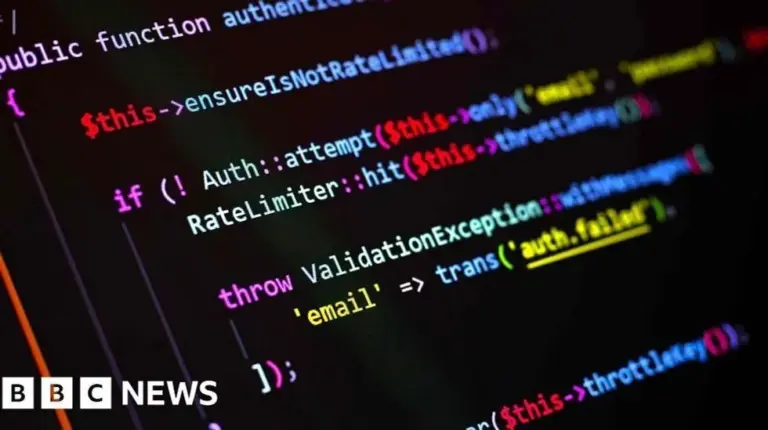
The digital world breathed a collective sigh of relief this week as initial fears of a global internet collapse failed to materialize. Just twenty four hours after government agencies from the FBI to European intelligence services issued dire warnings that critical vulnerabilities in PHP could force websites offline, security experts report a surprising lack of widespread damage. While the panic was justified given that PHP powers nearly seventy percent of the web, early data suggests that hackers are struggling far more than expected to turn these theoretical holes into actual weapons.

Industry leaders including Google and Palo Alto Networks indicate that while they have detected hundreds of attempted proofs of concept, actual successful exploitations in the wild remain elusive. This unexpected stalemate is being attributed to a coordinated international effort to patch the flaws before they became public knowledge, combined with the sheer technical complexity of the breach. Even seasoned professionals spent entire days attempting to crack the code using advanced tools, suggesting that the gap between identifying a vulnerability and actually exploiting it remains significant.

Interestingly, the rise of artificial intelligence may have played an unintentional role in defending the perimeter. Experts noted that many common AI models used by bad actors lacked the sophistication required to navigate these specific architectural flaws, whereas high end tools available to defenders proved more effective. It appears that despite the hype surrounding automated hacking, genuine expertise is still required to execute complex attacks on modern web properties.

Despite the optimistic start, officials caution against complacency. Some executives warn that certain intrusions might occur silently, leaving attackers dormant inside servers without triggering alarms. For now, however, it seems a combination of rapid patching and hacker frustration has averted what could have been one of the most disruptive cybersecurity events in recent history.