Archive

October 21, 2026

Browsing

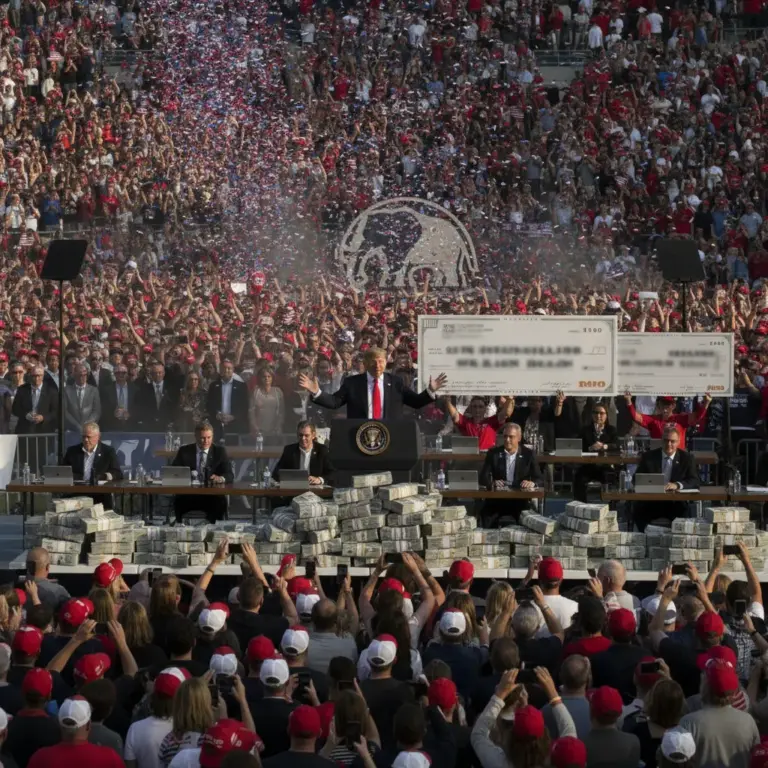
Donald Trump announced that he expects to spend a total of 400 million dollars to bolster Republican candidates as the November 3 midterm elections approach. This massive financial commitment is being channeled through his personal political operations and the aligned Super Pac known as Maga Inc. According to a statement shared on Truth Social, more than 300 million dollars has already been deployed toward advertising, rallies, voter contact programs, and efforts focused on election integrity.

Trump framed the spending as a necessity for saving the country from what he described as the edge of oblivion. In addition to his faith in the Republican platform, he pointed toward recent unrest and riots in France as motivation for his aggressive investment in the midterms. He reiterated several unfounded claims during this discussion, suggesting that the chaos unfolding in France is primarily driven by mass migration patterns.

Despite the focus on campaign finances, Trump is facing renewed scrutiny following comments made at a rally in Kansas where he utilized an antisemitic slur while defending Senator Roger Marshall. The former president referred to critics of Marshall as attempting to paint him as a Shylock type after the senator faced backlash for suing hundreds of patients over unpaid medical bills. While Trump previously claimed ignorance regarding the offensive nature of the term during a similar incident in Iowa years prior, current critics argue there is now a pattern of behavior.

The response from advocacy groups has sparked its own debate over political bias. The Anti Defamation League issued a general warning about the dangers of using such stereotypes but stopped short of naming Trump specifically in their initial social media posts. This omission led some observers to suggest that the organization is treating Trump with kid gloves due to his alignment with Israeli leadership, contrasting this reaction with how they handled similar language used by Democrats in the past.

Tensions boiled over in Brazil this week as crowds of protesters converged on Meta’s headquarters, accusing the social media giant of manipulating its platforms to influence the national election. The demonstrations follow serious claims made by the political party of President Luiz Inácio Lula da Silva, which suggests that Meta’s internal algorithms were unfairly boosting the visibility of Senator Flávio Bolsonaro.

The accusations come at a critical juncture, centering on the period leading up to the presidential runoff election scheduled for October 25. Those protesting argue that the platform provided an undue advantage to Bolsonaro’s accounts, potentially skewing public perception and voter behavior through algorithmic preference during one of the most contentious electoral cycles in recent history.

Meta has moved quickly to shut down these claims, issuing a firm denial regarding any intentional bias. In an official statement, the company described the allegations of favoritism or interference on behalf of any specific candidate or political faction as entirely false and unfounded, maintaining that its systems operate without partisan intent.

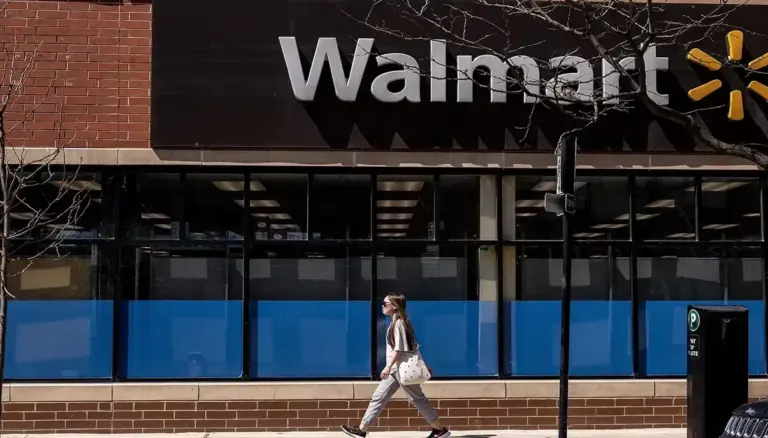
Walmart is making a strategic move to capture more of the household budget by launching a combined membership that bridges the gap between its general retail wing and its wholesale club. For an annual fee of 120 dollars, shoppers can now access both Walmart Plus and Sam’s Club Plus, representing a significant discount compared to buying the subscriptions individually. This aggressive pricing strategy effectively brings the cost down to about ten dollars a month, providing a direct challenge to Amazon Prime’s dominant market position.

Chief Executive Officer John Furner explained that the timing of the rollout was intentional, arriving just as families begin preparing for the expensive holiday season. With inflation continuing to squeeze middle and lower income households—particularly through rising energy and grocery costs—Walmart sees this as an opportunity to offer tangible value. By bundling these services, the company hopes to entice current Walmart Plus users into visiting Sam’s Club warehouses while attracting loyalists from competing platforms who are hunting for better deals.

The perks included in this package are extensive, ranging from free delivery across both brands to exclusive member pricing and fuel discounts. Subscribers also get a streaming choice between Peacock and Paramount Plus along with cash back on qualifying Sam’s Club purchases. To make the transition easier for existing customers, those already enrolled in certain plans can upgrade their status for a fraction of the full price or even activate the secondary membership at no extra cost.

This initiative follows a period of strong financial performance for Walmart, where membership fees hit record highs last quarter. While the company is operating from a place of growth and momentum, leadership acknowledges that many consumers are feeling genuine economic pressure. In addition to targeting public shoppers, Walmart is extending these dual memberships as an employee benefit for its store associates, further integrating its two massive shopping ecosystems under one roof.

Investors in the United States are beginning to embrace the tech sector once again after a period of cautious retreat. This shift was evident on Monday as the Nasdaq Composite climbed more than one percent, fueled by gains from heavyweights like Tesla and Alphabet. Even Nvidia saw its shares rise, signaling a tentative return of confidence among traders who had previously been trimming their exposure to high growth technology stocks.

Despite the optimism in New York, that momentum failed to travel across the Pacific. Asian markets took a decidedly different tone on Tuesday, with South Korea’s tech focused Kospi index sliding over four percent. Japan followed suit, as the Nikkei 225 dipped by one point six percent, suggesting that regional investors remain skeptical about a broad recovery in semiconductor and electronics equities for the time being.

While stock indices struggled in Asia, the appetite for new public offerings remains surprisingly strong. Venture capitalists note that startups in the region are accelerating their timelines to go public, often seeking IPOs within five years rather than the traditional decade long wait seen in Western markets. A prime example is India’s Jio Platforms, which has drawn massive interest from global asset managers like BlackRock as it prepares for what could be the largest IPO in Indian history.

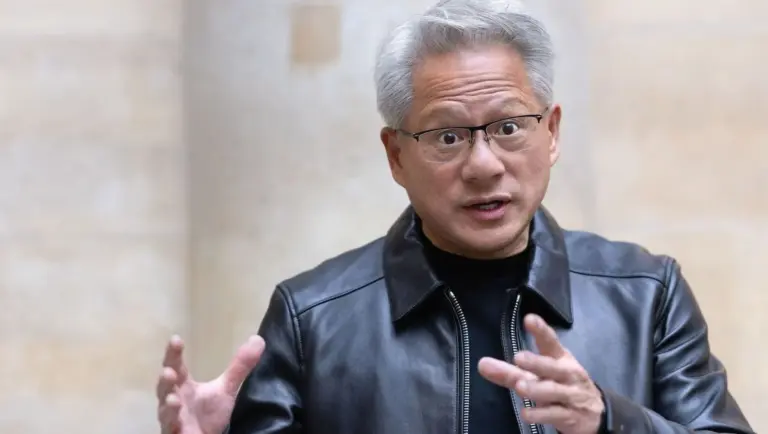
Meanwhile, Nvidia continues to expand its footprint beyond trading floors by pouring capital into European innovation. The chip giant recently unveiled plans to support four German startups as part of a larger ten billion dollar commitment to European research and industry. German Chancellor Friedrich Merz has encouraged local businesses to embrace this wave of artificial intelligence investment, urging smaller firms to leverage their internal data to secure a competitive edge in the global economy.

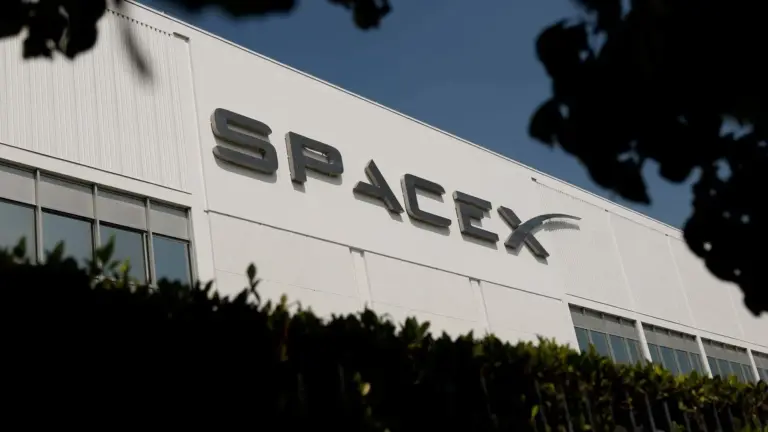
All eyes are on Elon Musk’s aerospace and defense empire as SpaceX prepares to release its third quarter financial results on Tuesday afternoon. This marks only the second earnings report since the company’s massive initial public offering in June, and investors are eager to see if the organization can maintain its momentum. Current consensus estimates suggest a strong performance, with revenue projected at 12.72 billion dollars and earnings per share expected to land around 13 cents. While the world often associates SpaceX with its iconic reusable rockets, much of the actual profit engine is currently driven by Starlink, the company’s ambitious satellite internet venture.

Wall Street analysts remain particularly optimistic about the growth trajectory of Starlink Mobile. Recent moves, including the acquisition of significant low band spectrum and FCC approval for a sprawling 15,000 satellite constellation, signal that SpaceX is positioning itself to challenge traditional cellular carriers with deeper global coverage. RBC Capital Markets has expressed confidence in this strategy, maintaining a buy rating and setting a price target of 225 dollars per share. Beyond connectivity, there is significant anticipation surrounding the company’s pivot toward artificial intelligence, especially following the high profile 60 billion dollar acquisition of AI coding startup Cursor.

However, this aggressive expansion comes with substantial costs that have previously rattled shareholders. A large portion of SpaceX’s capital expenditure has been diverted into its AI division, formerly known as xAI and now referred to as SpaceXAI or SpaceXSI. These heavy investments in data centers have drawn comparisons to other cloud computing firms that are currently struggling under high interest rates and volatile markets. Investors will be watching closely to see how these spending levels affect the bottom line and whether the promise of super intelligence justifies the steep overhead.

Meanwhile, the core space business remains a blend of technical triumph and financial struggle. Although Starship recently achieved key milestones during its fourteenth test flight by deploying new satellites into orbit, the rocket system is not yet fully reliable or reusable. The launch segment continues to operate at a loss despite providing essential services for NASA and the Pentagon. As shareholders tune in for tomorrow’s conference call, they will likely seek clarity on when these engineering breakthroughs will translate into consistent profitability across all divisions of Musk’s diverse portfolio.

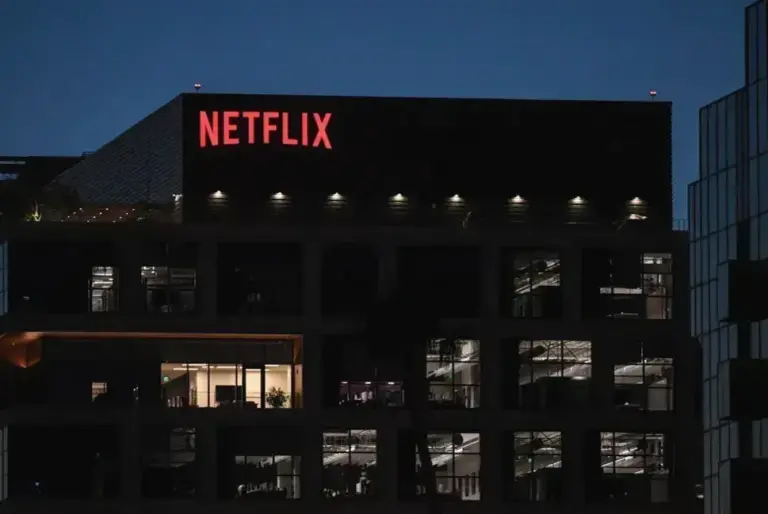
Netflix found itself in a paradoxical position this week, watching its stock slide in after-hours trading even as its third-quarter financial results appeared healthy on the surface. The company reported earnings per share of 87 cents, comfortably beating Wall Street expectations, while revenue climbed 12 percent year-over-year to reach 12.87 billion dollars. However, investors looked past these immediate wins and focused instead on a sobering outlook for the remainder of the year.

The primary source of anxiety stems from lowered guidance for the fourth quarter and a dip in projected advertising sales for 2026, which were scaled back from 3 billion to 2.7 billion dollars. Management attributed the shortfall to delays in rolling out specific ad product capabilities and the costs associated with recent workforce reductions. These figures follow a tumultuous period for the streaming giant, marked by the layoff of roughly 1,000 employees and a leadership shakeup that saw content chief Bela Bajaria replaced by Peter Rice.

Internally, leadership is grappling with a plateau in domestic viewership growth. Co-CEO Ted Sarandos admitted that viewing hours haven’t increased as quickly as he would like, leading to concerns that the platform is losing momentum against rivals like YouTube. While international markets remain a bright spot—with non-English content now making up over a third of total views through hits in Japan, Denmark, and Mexico—the U.S. market feels increasingly stagnant.

This volatility comes during a broader era of transition for Netflix, which has seen its stock drop 40 percent over the last year. From failed bids for major acquisitions to shifts in pricing strategies, the company is fighting to maintain its dominance in an oversaturated market. As Netflix attempts to pivot toward higher engagement and refined ad tools, it finds itself once again navigating the kind of public scrutiny and corporate restructuring that has defined several chapters of its history.

United Airlines is facing a difficult balancing act as soaring fuel prices eat away at its bottom line, forcing the carrier to significantly lower its profit expectations for 2026. The company revealed on Tuesday that it expects fourth quarter adjusted earnings to fall between 50 cents and 1.50 dollars per share, missing the mark set by Wall Street analysts who had anticipated 1.76 dollars. This downward revision brings the projected annual earnings far below the nine to eleven dollar range previously forecasted in July.

The primary culprit behind the slump is the volatile cost of jet fuel, which United expects will average around 4.80 dollars a gallon in the final quarter, a sharp increase from the 3.90 dollar average seen during the third quarter. These rising expenses have already taken a toll, with the airline’s quarterly fuel bill jumping nearly 62 percent over last year to reach almost five billion dollars. Despite these pressures, United managed to report a modest increase in net income for the third quarter ending September 30, totaling about 1.03 billion dollars.

Interestingly, travelers seem largely unfazed by the resulting hike in ticket prices. Both domestic and international revenues saw double digit growth, signaling that passengers are willing to pay more to stay on the move. Total passenger counts actually climbed more than two percent compared to previous levels, proving that demand remains resilient even as fares climb upward.

CEO Scott Kirby attributed these steady numbers to a focus on brand loyalty and praised his staff for navigating an unpredictable economic landscape. While the financial outlook suggests some turbulence ahead regarding margins and shareholder returns, the sheer volume of bookings indicates that consumers still view flying as a priority regardless of the shifting costs hitting the airline industry’s balance sheets.