Archive

November 2026

Browsing

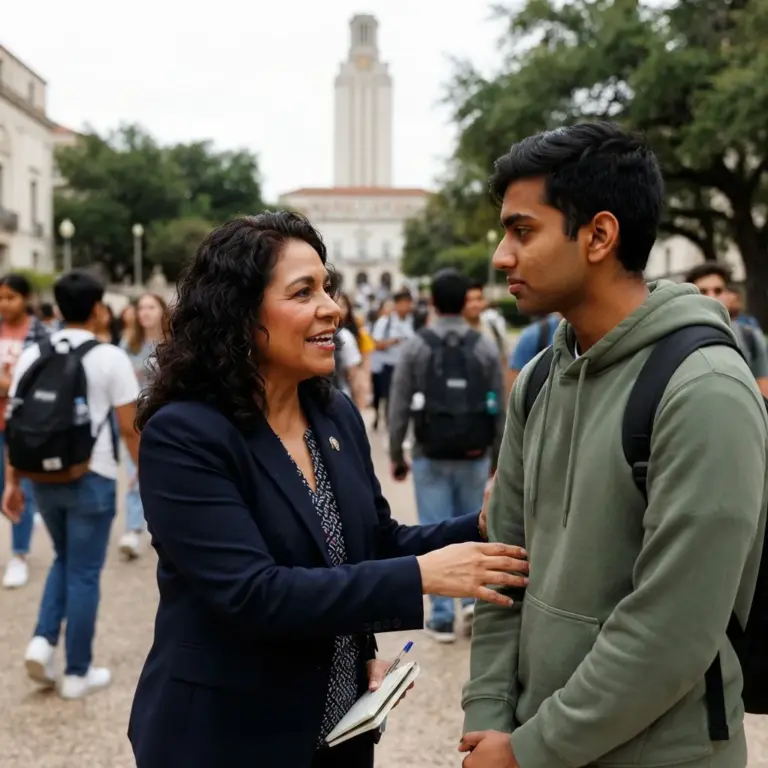
Governor elect Gina Hinojosa is preparing to pivot Texas away from several high profile policies enacted by her predecessor, signaling a move toward local control and a rejection of ideological battles. In a recent wide ranging interview, Hinojosa announced plans to rescind multiple executive orders issued by Greg Abbott, including a directive identifying public lands for migrant detention and a freeze on hiring H1B visa holders at state agencies and public universities. Regarding the visa restrictions, Hinojosa stated she is not interested in engaging in culture wars, noting that while the program has seen abuse, many school districts depend heavily on these professionals to fill critical teaching gaps.

Beyond administrative reversals, Hinojosa is carving out a pragmatic path regarding border security through direct communication with President Donald Trump. During a phone call last Saturday, the governor elect emphasized that residents near Big Bend National Park prefer electronic monitoring over the construction of a physical wall. While specific commitments weren’t detailed, Hinojosa described the interaction as positive and viewed it as the beginning of an ongoing dialogue aimed at securing the border while remaining responsive to the needs of Texans living along the frontier.

Education remains a central pillar of Hinojosa’s upcoming term, starting January 19. She expressed a strong desire to shift away from performance based teacher pay models in favor of broad salary increases and voiced opposition to state takeovers of local school districts. By advocating for the repeal of laws that limit city and county autonomy and pushing for increased transparency in government spending, Hinojosa hopes to distance her administration from corporate influence and refocus state priorities on affordability for everyday citizens.

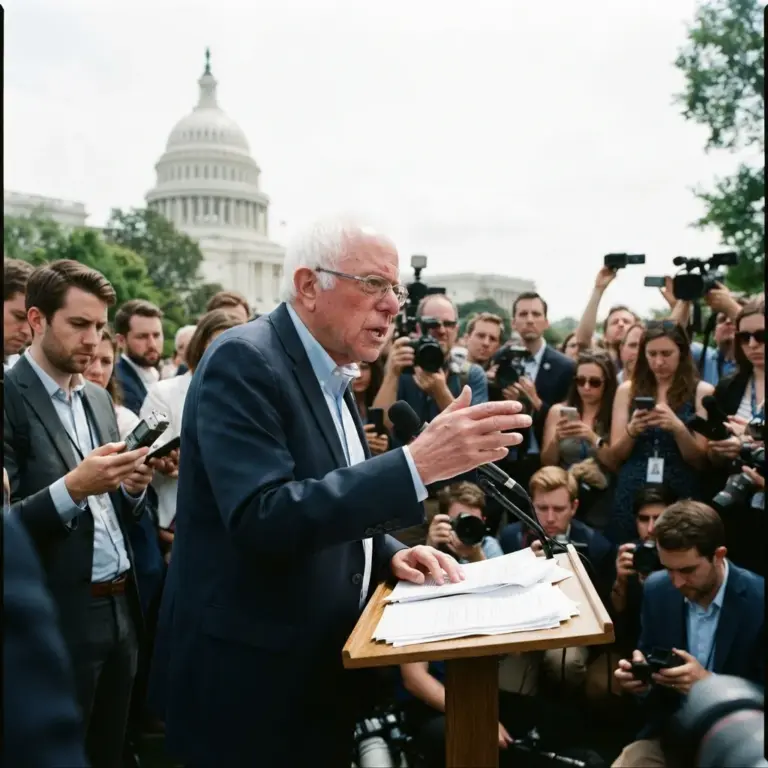
Senator Bernie Sanders is preparing to leverage his upcoming role as chairman of the Senate Health, Education, Labor and Pensions Committee to launch a comprehensive overhaul of the American healthcare system. According to plans shared with the Associated Press, the Vermont independent intends to implement a phased transition toward Medicare for All over a four year period once Democrats secure control of the Senate in January. Rather than attempting an immediate systemic flip, Sanders proposes starting by lowering the Medicare eligibility age to 55 in the first year while expanding coverage to include dental, vision, and hearing care.

The roadmap envisions a gradual expansion of eligibility every subsequent year until every American is covered by the fourth year. Sanders believes this measured approach acknowledges the scale of a system that accounts for nearly twenty percent of the national GDP. To fund these expansive changes, he suggests shifting financial burdens away from private insurance premiums and toward payroll contributions and increased taxes on wealthy individuals, Wall Street, and large corporations. He specifically noted that initial stages of the plan could potentially bypass a filibuster through budget reconciliation.

While some Democratic leaders like Hakeem Jeffries have signaled support for elements of this plan such as restoring ACA subsidies and improving pediatric coverage, significant hurdles remain. Critics point to a staggering national deficit and projections from the Congressional Budget Office suggesting that even modest reductions in Medicare age limits could add billions to federal debt. Furthermore, any legislation passed by a Democratic Congress would require the signature of President Donald Trump, though Sanders remains optimistic that political pragmatism might prevail regardless of ideology.

Beyond healthcare, Sanders views this new chapter as an opportunity to champion a wider populist economic agenda designed to support the working class. Alongside his medical reforms, he aims to utilize his committee influence to push for an increase in the federal minimum wage to twenty dollars an hour and promote laws that make it easier for employees to unionize. For Sanders, these moves represent more than just policy goals; they are a direct response to what he describes as a public outcry for fundamental structural change within the government.

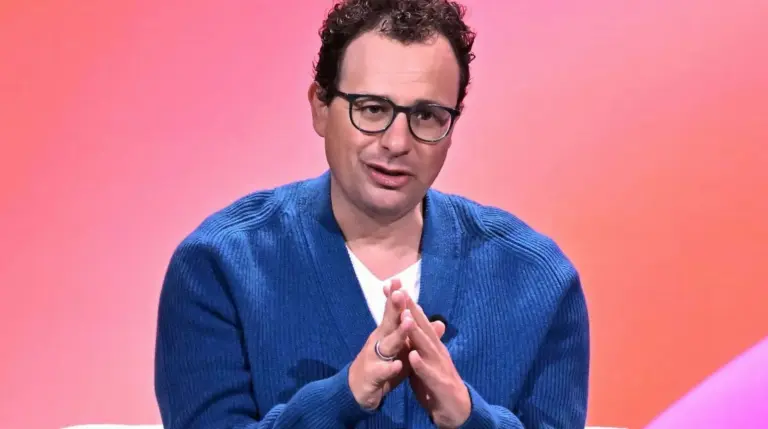
The United States has been rocked by a series of disruptive technology failures recently, ranging from grounded flights to frozen bank accounts, leaving many to wonder if these glitches are mere accidents or something more sinister. While government officials insist there is no evidence of foul play, some experts believe the chaos reveals dangerous cracks in the foundation of the country’s most vital systems. Dr. Ram Dantu, the founding director of the Center for Cyber and AI Security at the University of North Texas, warns that these events could be providing a roadmap for foreign adversaries looking for ways to dismantle American infrastructure.

Dr. Dantu noted that while network congestion or simple software bugs often cause such outages, it is impossible to rule out a calculated cyberattack entirely. He explained that sophisticated malicious software can sit dormant within a network for months or even years, spreading silently until an external actor decides to activate it remotely. This stealthy approach makes it difficult to distinguish between a routine technical failure and a targeted strike designed to cripple power grids, water supplies, or telecommunications networks.

Adding to his suspicion is the peculiar timing of some of these disruptions. According to Dantu, standard engineering practice dictates that major system upgrades happen overnight or in phased stages to avoid peak usage hours. Seeing critical updates occur in the middle of the business day struck him as highly unusual and potentially indicative of deeper issues beyond simple maintenance errors. For him, every public failure acts as a signal to enemies abroad about where the U.S. is most vulnerable.

Despite these warnings, top administration officials remain confident that the situation is under control. Secretary of State Marco Rubio stated clearly that federal investigators have found absolutely no evidence linking these separate incidents or connecting them to any foreign hacking group_or hostile government. Director of National Intelligence Jay Clayton echoed this sentiment, suggesting that typical security patches and routine upgrades are far more likely culprits than a coordinated campaign of digital warfare.

Hims and Hers is expanding its footprint into the world of biohacking with the launch of its Peptides plus platform, offering five different compounded formulations designed for everything from muscle recovery to anti aging. The move comes amid a surge in popularity for these short chains of amino acids among fitness enthusiasts seeking an edge in performance and longevity. However, the company paired its ambitious rollout with a candid admission that it still has much to learn regarding the optimal usage and overall effectiveness of these treatments.

None of the new offerings have received official approval from the Food and Drug Administration, though the company maintains they are legally authorized and produced by licensed pharmacies following strict quality standards. The current lineup includes substances like sermorelin and NAD plus, alongside vitamin B 12 and L carnitine. Looking ahead, the brand plans to introduce further unapproved peptides such as BPC 157 and TB 500, despite the fact that much of the existing research on those specific compounds has been limited to animal studies rather than human trials.

To manage the risks associated with these unregulated treatments, Hims says customers must first undergo a health assessment with a licensed provider to create a personalized plan. Chief Medical Officer Dr. Anant Vinjamoori acknowledged that the industry lacks the traditional volume of data usually required for such compounds but suggested that a company of their scale has a responsibility to lead the way in gathering that information. This perspective is echoed by board member Andrew Huberman, who views these treatments as legitimate medicine rather than mere trends when backed by physician oversight.

Not everyone is convinced that telehealth is the right venue for these experiments. Some academic experts warn that relying on anecdotal success stories instead of rigorous clinical trials is dangerous, noting that without standardized testing, proper dosing remains largely guesswork. Critics argue that introducing synthetic peptides into the body without deep scientific backing could trigger adverse immune responses or unforeseen long term complications, leaving patients in a regulatory gray area where safety profiles remain unknown.

Anthropic is weighing an increase to its initial public offering as appetite for the AI powerhouse reaches staggering levels. Sources indicate that institutional demand has hit approximately 400 billion dollars, while retail interest is nearing another 100 billion. This overwhelming surge suggests the company may set its final pricing well above the previously suggested range of 70 to 78 dollars per share, potentially pushing the valuation into uncharted territory for the artificial intelligence sector.

The scale of this anticipation puts Anthropic in direct competition with some of the largest financial events in history. Early indicators suggest investor enthusiasm could eclipse even the record breaking debut of SpaceX, which raised nearly 86 billion dollars when it listed on the Nasdaq in June. While these figures represent nonbinding indications of interest rather than guaranteed buys, they signal a profound belief in the long term viability of Anthropic’s flagship model, Claude, and its expanding footprint in the enterprise market.

Despite the hype, the path to going public comes amid a volatile backdrop for Silicon Valley. The broader AI industry has recently weathered political headwinds and leadership shakeups at key players like Nvidia. Furthermore, Anthropic’s own financials reveal a complex picture characterized by explosive growth and massive spending. While revenues surged by roughly 1,200 percent over a nine month period reaching over 33 billion dollars, the company continues to report substantial losses as it races to build out the infrastructure necessary to compete with giants like OpenAI and Google.

As CEO Dario Amodei leads his firm toward this milestone, he remains focused on balancing rapid commercial expansion with rigorous safety standards. Having split from OpenAI years ago to prioritize a cautious approach to AI development, Amodei views the IPO not just as a capital raise but as a way to fund what he describes as an age of miracles for humanity. With backing from titans such as Amazon and Google, Anthropic’s performance on opening day will serve as a critical litmus test for how Wall Street values high growth AI labs in an era of economic uncertainty.

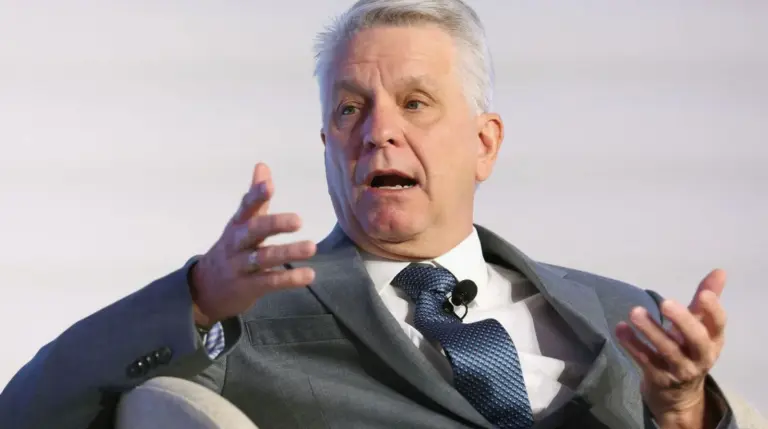
Federal Reserve Governor Christopher Waller is calling for a sharp pivot in monetary policy to combat stubborn inflation, suggesting that the central bank may need to shock the public with a larger than expected interest rate hike. Speaking in an interview with CNBC, Waller expressed deep concern over price trends moving in the wrong direction and spreading across the economy. He indicated that a half percentage point increase at the upcoming December meeting could be necessary to regain control over rising costs.

The governor believes the time for caution has passed, arguing that the Fed must first undo three previous rate cuts implemented last year. According to Waller, simply returning to previous levels may not be enough because those rates failed to curb inflation effectively during the summer of 2025. With energy prices spiking following geopolitical tensions and tariffs continuing to weigh on the market, he suggests that several aggressive moves beyond just reversing prior cuts might be required to steer inflation back toward the two percent target.

This hawkish stance puts Waller at odds with some of his colleagues who prefer a more measured approach. New York Fed President John Williams recently pushed back against the idea of dramatic action, stating that current strategies are working well through careful data analysis. Similarly, other regional presidents have advocated for gradual tightening rather than sudden shocks to the financial system. This internal divide highlights a growing tension within the Federal Open Market Committee as they grapple with persistent economic volatility.

Market expectations currently lean toward a smaller quarter point hike in December, but Waller warns that without clear signaling about future moves in January, a bolder step now is essential. While some officials remain hopeful that patience will prevail, others like St. Louis Fed President Alberto Musalem see a longer road ahead involving multiple hikes stretching into early 2027. Investors are now closely watching for any sign that Waller’s preference for aggression will win over the rest of the committee.

Interim CEO Colette Kress stepped onto the stage in Santa Clara this Wednesday to deliver a clear message to her workforce: it is time to move forward. In the company’s first all-hands meeting following the resignation of legendary founder Jensen Huang, Kress sought to project stability and momentum. Flanked by board chair Harvey Jones and other top executives, she focused on practical wins, announcing that annual reviews and associated pay raises and stock grants would be accelerated from March to December. While she characterized the most recent quarterly earnings as a great success, the atmosphere inside the room appeared far more complicated than the official corporate narrative suggests.

Despite the optimistic tone from the podium, a palpable longing for Huang persists among the rank and file. According to attendees, some employees are openly campaigning for his return via social media, while at least one senior staff member warned the board that irreplaceable talent could flee if Huang isn’t reinstated. This internal unrest coincides with a public tug-of-war between current management and their predecessor; just a day prior to the meeting, Huang signaled he was ready to step back into the role if invited. However, Board Chair Harvey Jones remained firm during a recent earnings call, stating that the board unanimously accepted the resignation and has no intention of reversing course.

The tension within Nvidia extends beyond just the employees, reaching deep into its own executive ranks. Some insiders have questioned why Jones made such a definitive statement regarding Huang’s permanent departure while certain investigations remain ongoing. Adding to the friction was a notable shift in tradition; whereas Huang historically used these gatherings to engage directly with staff through Q&A sessions, Wednesday’s presentation was strictly one-way communication with no opportunity for employee questions.

As Nvidia navigates this identity crisis, it does so against a backdrop of market volatility with shares sliding significantly from their peak over the last year. Although third-quarter earnings beat Wall Street expectations and suggested continued growth, investors and employees alike seem wary of whether any leader can fill the void left by Huang’s absence. For now, Kress is attempting to bridge that gap with financial incentives and calls for unity, but the shadow of the founder continues to loom large over everything happening in Santa Clara.

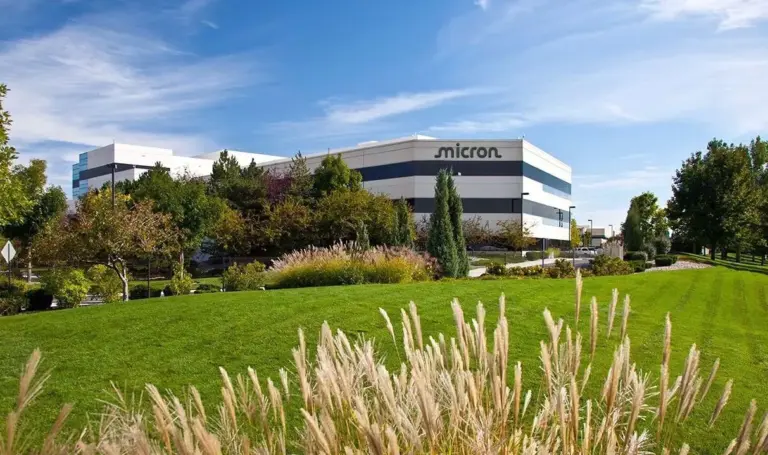
Micron Technology shares MU fell more than 2% on Tuesday as investors assessed concerns about a potential oversupply in the NAND memory market next year.

GF Securities lowered its NAND price forecasts, warning that weaker consumer demand and slower server deployments could reverse the current supply-demand balance.

The Hong Kong-based investment firm expects NAND prices to remain flat in the first quarter of 2027 before declining in the following three quarters.

Its previous forecasts had called for price increases of 6% in the first quarter, 3% in the second quarter, and no change in the final two quarters.

The revised outlook also put other memory-chip companies in focus, including SanDisk and South Korea’s SK Hynix.

GF Securities warns of NAND market oversupply

GF Securities expects weaker demand for smartphones and personal computers to weigh on NAND consumption in 2027.

The firm projects double-digit shipment declines for both product categories, putting pressure on client solid-state drives and mobile storage demand.

Analysts also pointed to constraints in the availability of graphics processing units and high-bandwidth memory, which have slowed server deployment momentum.

This has weakened procurement demand for enterprise solid-state drives, partly offsetting increased orders from US cloud service providers in September.

In a note to clients, GF Securities said these factors were easing the supply constraints that had previously supported NAND prices.

The firm also expects NAND demand bit growth to decline next year, reaching 47.8 exabytes.

It cited weaker consumer electronics demand and slower procurement of enterprise storage products in China.

On the supply side, Chinese manufacturers are continuing to expand capacity, while the share of quad-level cell (QLC) production is increasing.

GF Securities forecasts NAND supply bit growth of 21% in 2026, 28% in 2027 and 30% in 2028.

The combination of slower demand and expanding supply could result in a reversal of the market’s supply-demand balance, putting further pressure on prices.

SanDisk faces greater earnings volatility than Micron

GF Securities sees SanDisk as more exposed to the potential downturn because it is a pure-play NAND manufacturer.

The analysts expect its earnings to experience greater volatility if NAND prices weaken.

The firm maintained a more cautious view on companies with significant exposure to the NAND market, including SanDisk, Kioxia and Phison.

Micron and SK Hynix, by contrast, have greater exposure to dynamic random-access memory (DRAM) and high-bandwidth memory (HBM).

GF Securities expects the impact of weaker NAND pricing on these companies to be more limited.

The analysts said Micron, SK Hynix and Samsung Electronics could outperform if the DRAM market cycle remains relatively intact.

Micron’s investor base shifts as hedge fund cuts stake

Separately, recent regulatory filings revealed a significant change in Micron’s institutional shareholder base.

Situational Awareness, the AI-focused hedge fund run by Leopold Aschenbrenner, reported holdings of $1.58 billion as of September 30, down 92% from $20.2 billion at the end of June.

The fund sold its entire Micron position, which consisted of 4.83 million shares valued at approximately $5.57 billion at the end of the second quarter.

The unwinding of the fund’s holdings had attracted short sellers targeting its positions, The Wall Street Journal reported.

The completion of the sale could reduce some of the trading volatility associated with the fund’s exposure to memory stocks.

Meanwhile, billionaire investor David Tepper’s Appaloosa hedge fund increased its Micron stake by 28% to 1.25 million shares during the third quarter.

The position was valued at approximately $1.33 billion at the end of September, making Micron Appaloosa’s largest single holding.

However, quarterly institutional filings are reported with a 45-day delay, meaning the positions may have changed since September 30.

AI disclosure: AI tools assisted with research and drafting of this piece. An Invezz editor reviewed the facts, sources and wording before publication. Any opinions or analysis are Invezz’s, not those of an automated system.

The post Micron stock falls 2%, why this analyst cut target price appeared first on Invezz

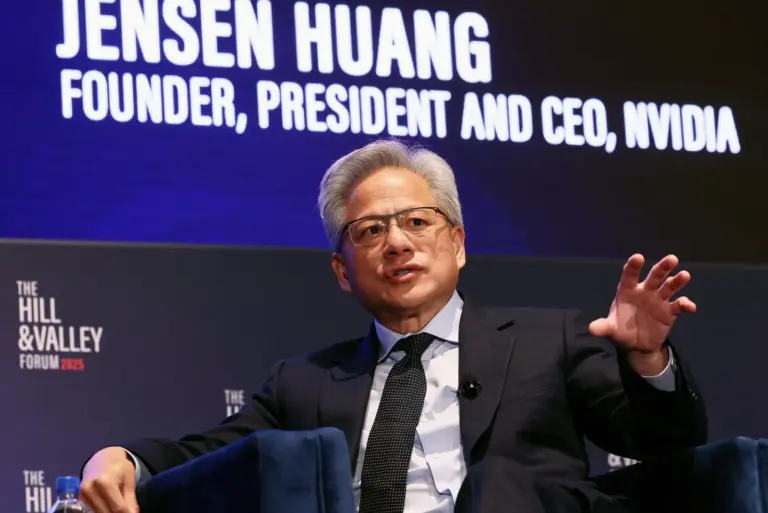
Jensen Huang has signaled that he would be willing to return as Nvidia NVDA CEO if the company’s board of directors decides that his reinstatement would be in the company’s best interest.

In his first public statement since stepping down, Huang said he took full responsibility for his personal mistakes and would cooperate with the board’s independent investigation.

The statement came hours before Nvidia was scheduled to report its third-quarter earnings following the closing bell on Tuesday.

Nvidia shares continued their descent on Tuesday, falling 1.43% at the time of writing.

The 63-year-old resigned last week after leading the chipmaker since its founding in 1993.

His departure followed reports that he had been involved in multiple extramarital relationships, including one with a woman suspected of having links to Chinese intelligence.

What Jensen Huang said

In a statement posted on X, Huang acknowledged that his personal conduct had fallen short of the standards expected of Nvidia employees and said he regretted the problems it had caused the board.

https://twitter.com/JensenHuang/status/2122726005219737649?a=mKDp8J_rLKaG576a9KM&s=20

“I did not live up to the standards expected of everyone at NVIDIA, and I have made serious mistakes in my personal life. I created problems for the Board that I deeply regret,” Huang said.

“I own my mistakes completely, and I am committed to cooperating with the Board’s independent investigation,” he added.

Huang, one of the most prominent figures in the artificial intelligence industry, also thanked employees, investors, business partners and others who had reached out to him and his family over the past week.

“Thank you to everyone who has shown kindness to my family and me. It means the world to me,” he wrote.

Huang says he would be honoured to return

The former CEO said he had received calls from Nvidia employees, investors, business partners and customers urging him to return to the company’s top position.

He added that people had continued to contact him directly as Nvidia navigated technological, competitive, market and geopolitical challenges.

“NVIDIA is a once-in-a-generation company. If the Board of Directors decides that my return is in the best interest of our shareholders, our employees, the company, and America, I would be honoured to answer these calls and return as CEO,” Huang said.

Nvidia appointed former CFO Colette Kress as interim CEO following Huang’s departure.

However, CNBC and Reuters reported on Tuesday that the board was unlikely to reinstate him.

Huang to testify on December 1

Meanwhile, Huang has agreed to appear before Congress on December 1 for a transcribed interview involving the House Foreign Affairs Committee, the House Select Committee on the Chinese Communist Party and the House Intelligence Committee.

The committees said they wanted answers about Nvidia’s role in allowing Chinese entities access to advanced US chips and the alleged involvement of a potential Chinese intelligence asset in the controversy.

“The American people need answers on Mr. Huang and Nvidia’s role in allowing dangerous PRC actors to access our most advanced chips, as well as the role of a potential Chinese intelligence asset in this scandal,” Republican committee chairmen Brian Mast, John Moolenaar and Rick Crawford said in a joint statement.

AI disclosure: AI tools assisted with research and drafting of this piece. An Invezz editor reviewed the facts, sources and wording before publication. Any opinions or analysis are Invezz’s, not those of an automated system.

The post Jensen Huang keeps door open to return as Nvidia CEO in first statement since exit appeared first on Invezz

Nvidia shares NVDA rose 2.47% in after-hours trading on Tuesday after the chipmaker delivered a stronger-than-expected revenue forecast for its January quarter, signalling that demand for artificial intelligence hardware remains robust despite leadership uncertainty and concerns about industry spending.

The company forecast revenue of $130 billion for its fiscal fourth quarter, plus or minus 3%, compared with the $125.3 billion expected by analysts tracked by FactSet.

The outlook does not include any data-centre revenue from China.

The forecast followed another record quarter for Nvidia, with revenue and earnings both exceeding Wall Street expectations.

Investors had been closely watching the results amid the departure of longtime CEO Jensen Huang, who resigned last week following reports about his personal relationships.

Nvidia delivers stronger-than-expected revenue outlook

Nvidia expects revenue of approximately $130 billion in the quarter ending in January.

The forecast exceeded analyst expectations and suggests that demand for the company’s AI chips and computing systems remains strong.

The company also expects a gross margin of around 71.5% in the quarter.

The outlook was particularly important given speculation about whether Nvidia would provide a quarterly forecast amid the uncertainty surrounding its leadership.

Nvidia’s third-quarter revenue increased 103% year-over-year to $115.8 billion, surpassing the approximately $109 billion expected by analysts.

Net income reached $65.3 billion, while earnings per share came in at $2.68, above the FactSet consensus estimate of $2.48.

Demand for Nvidia’s AI hardware remained strong during the quarter as the company began shipments of its latest Vera Rubin systems.

The results provide further evidence of continued investment in AI infrastructure, although concerns remain about whether spending across the industry can maintain its current pace.

Nvidia returns record $28.1 billion to shareholders

Nvidia returned $28.1 billion to shareholders during the quarter ended October 25 through share repurchases and dividends.

The figure exceeded the previous quarterly record of $26 billion, set in the preceding quarter.

Share buybacks accounted for $22.1 billion of the latest shareholder returns.

Nvidia has now spent $62 billion on repurchases during the first three quarters of its fiscal year, significantly more than the $40.4 billion spent during the previous fiscal year.

The company still has $227.3 billion available under its existing share repurchase programme.

The scale of the buybacks highlights Nvidia’s ability to return substantial capital to shareholders while continuing to invest in its AI hardware business.

Leadership uncertainty remains after Huang’s departure

Nvidia’s strong results came during a period of significant leadership uncertainty.

Huang resigned last Thursday following reports of multiple extramarital relationships, including one involving a company employee and another involving a woman suspected by US officials of having links to Chinese intelligence.

Former CFO Colette Kress is serving as interim CEO while Nvidia looks for a permanent replacement.

The company has also elevated board member Harvey Jones to chairman, marking the first time Nvidia has had someone in that role.

Earlier on Tuesday, Huang said he would be willing to return if the board decided that his reinstatement would be in the company’s best interests.

However, a person familiar with the board’s thinking told Wall Street Journal that it was not considering bringing him back.

Nvidia’s board has also formed a committee to oversee national security policies and compliance with US export controls.

Huang and General Counsel Tim Teter have agreed to brief three House committees in early December as lawmakers seek answers about the company’s exports to Asia.

AI disclosure: AI tools assisted with research and drafting of this piece. An Invezz editor reviewed the facts, sources and wording before publication. Any opinions or analysis are Invezz’s, not those of an automated system.

The post Nvidia stock rises after hours as revenue forecast beats estimates appeared first on Invezz