Archive

November 21, 2026

Browsing

President Donald Trump remained steadfast on Friday in his characterization of Vladimir Putin as a friend, insisting that their strong personal rapport is an asset to American diplomacy. Speaking at a White House news conference following high level meetings in China, the president described his relationship with the Russian leader as very good while carefully avoiding any confirmation that Putin acts as a friend to the United States. When pressed on whether the sentiment extends to national interests, Trump simply stated he could not speak for the country before pivoting back to his own private connection with the Kremlin chief.

The president used the briefing to present himself as a necessary mediator in the war between Russia and Ukraine, suggesting that both Vladimir Putin and Volodymyr Zelenskyy are trapped in a conflict they no longer know how to resolve. Despite years of Russian aggression and recent attacks occurring just hours after his diplomatic summit, Trump claimed that Putin genuinely desires peace. He framed the ongoing violence as a result of mutual hatred between two leaders who are stuck in a stalemate, arguing that his unique ability to get along with powerful figures is what will eventually break the deadlock.

Throughout the event, Trump linked his current standing with foreign leaders to old political battles at home, dismissing previous federal investigations into Russian interference in the 2016 election as a Democratic hoax. He argued that these past accusations were unfounded and perhaps even beneficial to his initial victory. By praising both Putin and Chinese President Xi Jinping, Trump signaled a preference for personalized diplomacy over traditional institutional frictions, claiming that having such direct lines of communication makes the U.S. fortunate.

Standing alongside him, Secretary of State Marco Rubio defended this approach against critics who argue that befriending autocratic leaders undermines democratic values. Rubio emphasized that the chemistry between heads of state serves as a vital foundation for every other layer of government interaction. According to Rubio, these top level friendships set the essential tone for diplomats and trade negotiators alike, reinforcing the administration’s belief that personal loyalty among world leaders is an invaluable tool for international stability.
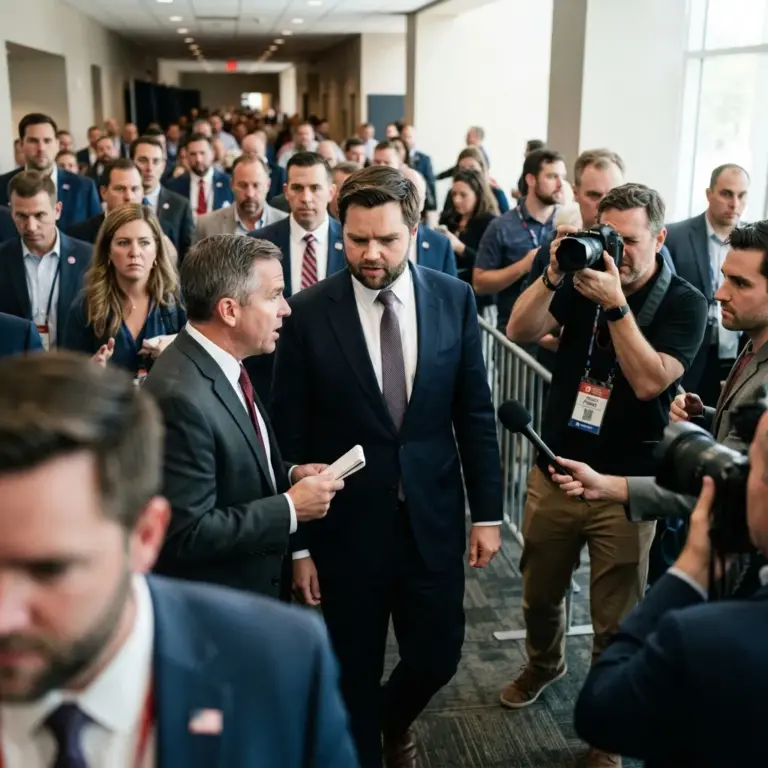

While the wreckage of the recent midterm elections is still being surveyed, a quiet but intense scramble for the 2028 presidential nomination has already begun within the Republican Party. Potential contenders are carefully calibrating their public personas to determine whether the path to power lies in doubling down on populist rhetoric or pivoting toward a more moderate image. Vice President JD Vance has emerged as a central figure in this balancing act, attempting to refine the Make America Great Again ethos by championing economic nationalism and industrial revitalization while subtly navigating his stance on foreign conflicts like the war with Iran.

Other ambitious Republicans are similarly testing the waters. Senator Josh Hawley recently shifted his position from having no intention of running to admitting he is giving serious thought to his political future, echoing Vance’s focus on blue collar families. However, these hopefuls face a delicate challenge in managing their relationship with Donald Trump. Despite the electoral setbacks, Trump remains the gravitational center of the party, leaving aspirants to wonder if departing from his specific vision will alienate him or provide a necessary bridge to a broader electorate.

This tension is evident not only among politicians but also among high profile allies like Elon Musk, who appears to be creating some distance from the MAGA brand after investing heavily in the cycle. Trump has already signaled that veering away from his core philosophy often leads to failure, serving as a tacit warning to anyone hoping to build a coalition independent of his influence. As figures like Senator John Kennedy weigh their options, the internal struggle between loyalty and evolution continues to define the party’s identity.

Meanwhile, much of the administrative noise surrounding election integrity has faded in the wake of the results. After years of warnings regarding widespread voter fraud and noncitizen voting, the Justice Department is quietly stepping back from several legal battles it once championed. By dropping appeals and lawsuits intended to scrutinize election certifications, the administration seems to be acknowledging that despite previous predictions of chaos, the midterms largely proceeded without significant disruption.

Anthropic has cemented its place in financial history after underwriters fully exercised their greenshoe overallotment, pushing the total funds raised in its initial public offering to a staggering 93.5 billion dollars. This final tally surpasses the previous record set by SpaceX earlier this year, marking one of the most ambitious entries into the public market ever seen. The company initially brought in 81.3 billion dollars on Wednesday before adding another 12.2 billion through the exercise of these additional share options.

The fundraising frenzy didn’t stop with the public float. In a concurrent move, Anthropic secured an additional 26 billion dollars through a private placement involving some of the biggest names in technology, including Nvidia, Google, Microsoft, and AMD. When combining the IPO and the private investment, the company’s total gross proceeds reached nearly 120 billion dollars, providing a massive war chest for the creators of the Claude AI models to continue their expansion against rivals like OpenAI.

Despite the sheer scale of the capital raise, the stock’s debut on the Nasdaq was characterized by significant volatility. While shares opened strong at 111.50 dollars, they dipped toward 97 dollars by Thursday’s close and faced further pressure on Friday amid a wider sell-off across the tech sector. Investors appeared jittery not only due to broader economic concerns regarding interest rates but also following leadership turmoil at Nvidia and political headwinds stemming from recent midterm elections.

For founders Dario and Daniela Amodei, who left OpenAI years ago to start their own venture, the milestone is viewed as a means to an end rather than a victory lap. Celebrating alongside Nasdaq CEO Adena Friedman in New York City, Daniela Amodei told reporters that while the IPO is an incredible moment for their mission, it represents just one stop on a much longer journey toward advancing artificial intelligence safely and effectively.

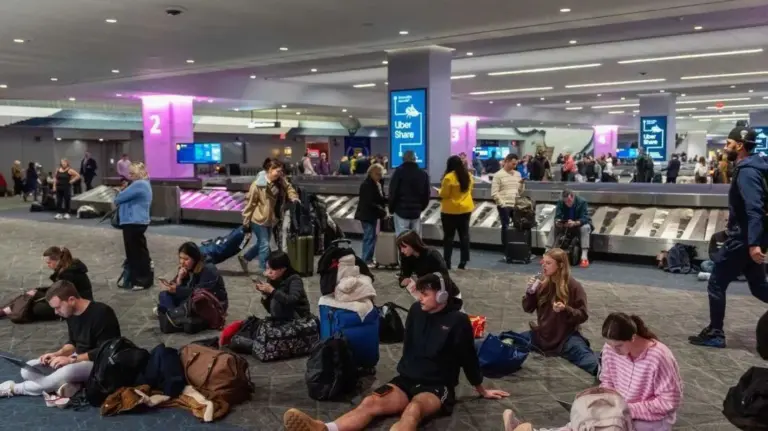
The U.S. government is preparing to reveal the exact trigger of a massive technical failure that paralyzed American skies last month, bringing thousands of flights to a standstill. FAA Administrator Bryan Bedford indicated that investigators are nearly finished pinpointing the root cause of the router outage that led to only the third nationwide ground stop in history. Transportation Secretary Sean Duffy is expected to present these findings in a formal press conference as early as this Friday.

The chaos began on November 13 when a sudden flood of data overwhelmed the FAA’s telecommunications infrastructure, sending roughly one thousand connection attempts through the system every few seconds. This surge created critical instability for radar feeds and communication lines at 17 of the 22 primary air route traffic control centers across the country. The resulting gridlock lasted over four hours but left a lasting wake of disruption, canceling more than twelve thousand flights on Friday alone and leaving upwards of one million passengers stranded throughout the weekend.

Preliminary evidence suggests the malfunction originated from sites in Texas and Arkansas, specifically linked to a hardware upgrade performed by private contractor L3Harris. While attempting to replace twenty five year old Cisco routers with newer Juniper Networks models, the process apparently triggered the systemic collapse. Following the event, the FAA paused all further installations and reverted several sites back to their legacy equipment to ensure stability while they investigate how a localized update could have such a catastrophic global effect.

Beyond the technical glitch, the incident has ignited a fierce debate regarding agency oversight and risk management. Representatives from the Professional Aviation Safety Specialists union claim that FAA technicians were largely excluded from these upgrades, alleging that contractors operated without direct supervision. Former agency insiders suggest that performing such high stakes work during peak operational hours was a fundamental lapse in judgment, noting that any task with such a massive potential blast radius should have been handled overnight under strict mitigation protocols to protect millions of travelers.

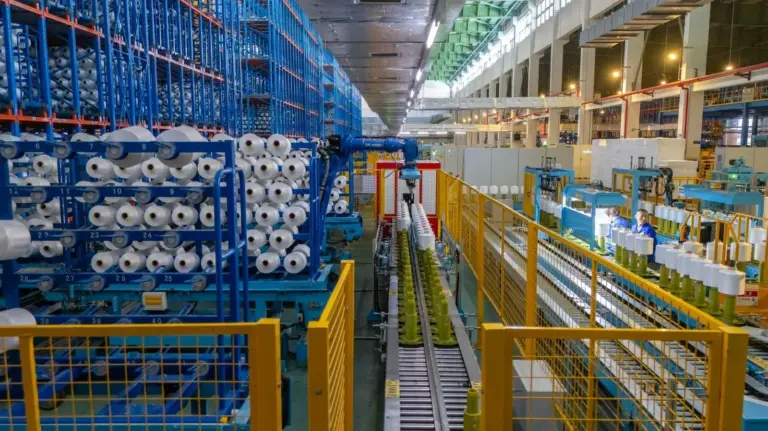
For years, the fashion world operated on a cycle of speed and affordability, driven by the rise of fast fashion giants and later ultra-fast retailers. This era saw a dramatic shift in how our clothes are made, with natural cotton being steadily replaced by synthetic blends like polyester and nylon. While these plastics kept prices low and styles rotating weekly, a tipping point has arrived. Shoppers are no longer willing to accept flimsy fabrics, especially as the cost of living climbs and clothing prices hit record highs following the pandemic.

Recent data reveals a growing frustration among consumers who feel they are paying premium prices for subpar materials. A survey by consulting firm AlixPartners suggests that people are scrutinizing garment labels more than ever, viewing synthetic fabrics as a sign of poor quality rather than convenience. For younger generations like Gen Z, mentioning polyester has almost become an insult, synonymous with something fake or disposable. Beyond the tactile experience, there is a rising tide of concern regarding environmental impact and the leaching of microplastics into the water supply every time a synthetic shirt enters the wash.

This push for quality comes at a complicated time for manufacturers. Global instability, including tariffs and conflicts affecting oil prices—the base ingredient for synthetics—has squeezed profit margins. Many brands attempted to offset these costs by shifting production from high-skill hubs in China to lower-cost regions like Bangladesh and Cambodia. However, this transition often resulted in a noticeable dip in craftsmanship. Experts suggest that brands may now find themselves in a precarious position where cutting corners on fabric leads to unsold inventory and heavy discounts.

Ultimately, the pendulum is swinging back toward value defined by longevity rather than quantity. While athletic wear continues to rely on performance synthetics for moisture-wicking properties, everyday apparel is seeing a resurgence of interest in natural fibers. As buyers tighten their budgets across food and housing, they are choosing to invest in fewer pieces that actually last. Retailers are discovering that investing in genuine quality might be the only way to maintain loyalty from a consumer base that is tired of spending more for less.

The Nasdaq Composite has officially slipped into correction territory for the third time in 2026, leaving many investors feeling uneasy as the tech heavy index closes more than ten percent below its October peak. Even more concerning is the Nasdaq 100, which has plummeted roughly fifteen percent from its recent highs. While seeing three separate dips of this magnitude in a single calendar year feels abnormal, history suggests that these moments of volatility are often mere speed bumps rather than signs of a collapsing bull market.

A look back at the current year reveals a recurring pattern of sharp drops followed by rapid recoveries. In March, geopolitical tensions and surging oil prices triggered a thirteen percent slide, yet the index surged thirty one percent by June to reach new heights. A similar sequence happened in July when a chip stock selloff wiped out ten percent of gains, only for the market to bounce back to another record high by early October. In both instances, those who panicked and sold their positions simply locked in losses and missed out on the subsequent rebounds.

This latest downturn is fueled by shifting concerns over artificial intelligence spending and uncertainty surrounding leadership transitions at major tech firms, compounded by expectations that the Federal Reserve will hike interest rates in December. Although there is no guarantee that this dip will mirror previous ones, the overarching lesson remains that volatility is essentially the cost of admission for investing in growth stocks. Long term success usually belongs to those who plan for these swings before they happen rather than reacting emotionally once they arrive.

Ultimately, navigating such turbulence requires a disciplined approach focused on diversification and liquidity. Experts suggest keeping funds needed for near term expenses outside of the equity market and maintaining steady contributions regardless of daily headlines. By viewing these corrections as tests of patience instead of signals of an impending crash, investors can avoid the common mistake of selling at the bottom and position themselves to benefit when the next rally begins.

The euphoric climb of artificial intelligence stocks has hit a turbulent patch, leaving many investors wondering if the sector has finally reached its limit. A wave of anxiety swept through the Nasdaq recently as several tech giants faced intense scrutiny over whether the massive capital expenditures required to fuel AI growth are actually sustainable. This skepticism weighed heavily on industry leaders like Alphabet, Meta, Amazon, and Microsoft, whose recent earnings reports failed to fully quiet fears about the long term return on investment for these expensive technologies.

Adding to the volatility is a growing sense of political and social friction surrounding the physical infrastructure of the AI revolution. Recent midterm indicators suggest an uptick in public opposition toward the construction of sprawling data centers, which often strain local power grids and water supplies. These grassroots concerns have translated into market nerves, suggesting that regulatory hurdles could slow down the rapid deployment of hardware necessary to keep the momentum going.

The situation grew even more chaotic with sudden turmoil surrounding Nvidia, the primary provider of the chips that power most modern AI systems. As leadership disputes and geopolitical tensions created fresh uncertainty around the company’s trajectory, shareholders reacted sharply, dragging down broader indices. While some government officials have stepped in to offer support for key commerce figures amidst the fallout, the immediate effect was a bruising session for those betting heavily on a seamless transition into an AI driven economy.