Archive

November 18, 2026

Browsing

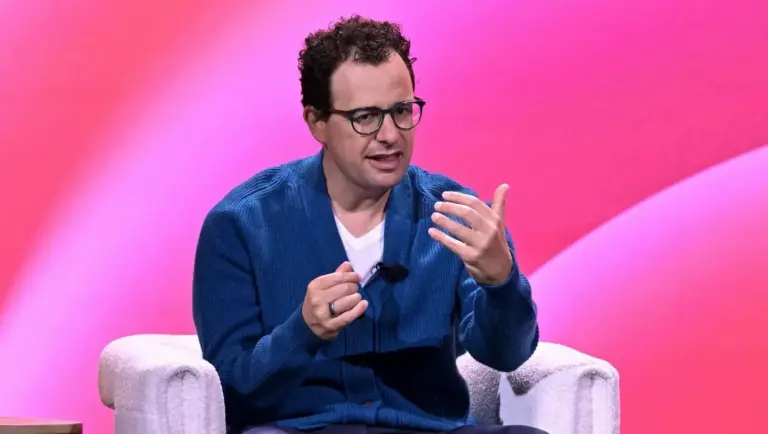
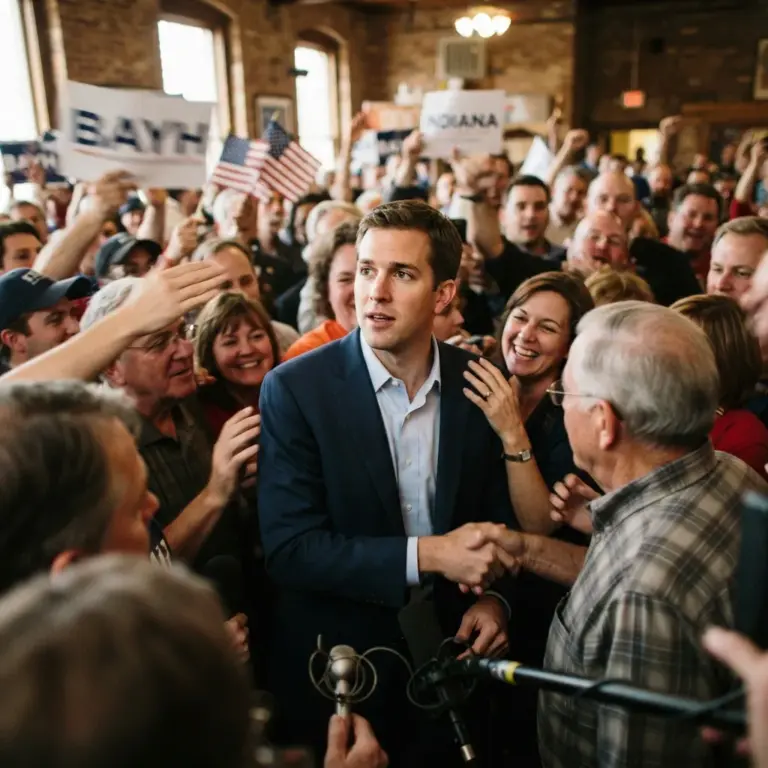
For years, Indiana has been regarded as one of the deepest shades of red in the American Rust Belt, a place where Democratic ambitions often felt like exercises in futility. That narrative shifted dramatically with the rise of Beau Bayh, a thirty-one-year-old newcomer who carries one of the most storied names in state politics. As the grandson of Senator Birch Bayh and son of former Governor Evan Bayh, Beau did more than just secure a victory in his first bid for office as secretary of state; he delivered a statistical shockwave that has left both parties questioning whether the state’s political alignment is shifting.

The scale of Bayh’s performance was staggering, marking a twenty-eight percentage point improvement over Donald Trump’s 2024 margin in the state. This surge wasn’t limited to city centers but bled into rural strongholds and traditional bellwethers like Vigo County, suggesting that a brand of moderate, familial prestige can still resonate with voters tired of ideological extremes. His victory anchored a broader Democratic wave that flipped a congressional seat and dismantled the GOP’s supermajority in the state House, providing a glimmer of hope for a party that hasn’t occupied the governor’s mansion in two decades.

High profile figures like Pete Buttigieg have pointed to these results as proof that no state is permanently lost when candidate quality is prioritized. With both a Senate seat and the governorship on the ballot in 2028, speculation is already mounting that Bayh will follow his father’s trajectory toward the executive office. While Republicans have attempted to paint him as a radical in disguise, his ability to peel away rural voters suggests he may be tapping into a widespread desire for pragmatic leadership rather than partisan warfare.

Even seasoned Republican strategists admit that while they view the Bayh legacy through a lens of opportunistic timing, internal GOP fractures could leave an opening wide open. Between potential primary challenges to Governor Mike Braun and an electorate increasingly frustrated with the status quo, Democrats believe they finally have someone capable of leading them out of the political wilderness. Whether this moment represents a temporary blip or a genuine realignment remains to be seen, but for now, the return of the Bayh name has turned Indiana back into a conversation piece for national strategists.
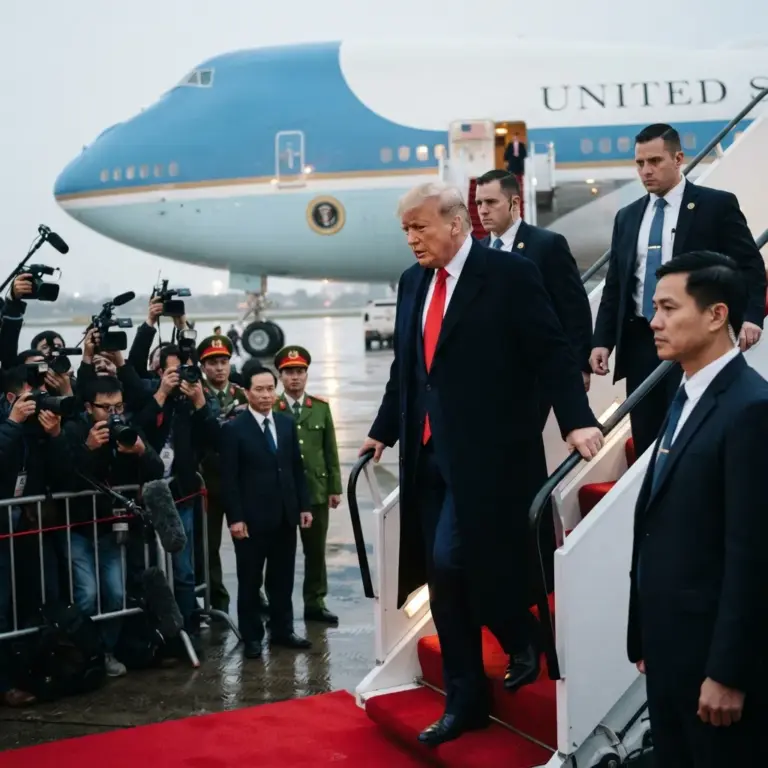
President Trump has touched down in Asia for a series of high stakes meetings with key allies, marking his first major international excursion since the conclusion of the midterm elections. While the trip focuses on strengthening regional ties and reinforcing strategic partnerships, the president continues to navigate a complex web of domestic legal battles and administrative hurdles back home in Washington.

Adding to the tension surrounding his schedule, a federal judge has granted Trump a reprieve in his ten billion dollar defamation lawsuit against the BBC. U.S. District Judge Jeffrey Kuntz ruled that the president’s deposition may be pushed back until late January, citing the unique demands and inherent respect due to the office of the presidency. This delay follows previous disputes between attorneys regarding whether prior absences were caused by matters of national importance or personal political events.

Meanwhile, the administration is facing significant scrutiny over transportation failures following a recent nationwide airline shutdown. Transportation Secretary Sean Duffy is currently lobbying Congress for fifty billion dollars to overhaul aviation infrastructure, though he admitted he might have to settle for far less depending on legislative appetite. The request has already sparked partisan friction, with Democratic leaders questioning why additional funds are needed when existing budgets remain unspent.

Technical mysteries continue to plague the Federal Aviation Administration as officials struggle to explain why a specific router configuration failed during Friday’s chaos. FAA Administrator Bryan Bedford informed lawmakers that while they know the hardware changed state, they cannot yet identify what triggered the failure. Despite these systemic worries, analysts note that Trump remains focused on maintaining powerful corporate alliances, including his long standing positive rapport with tech titans like Nvidia’s Jensen Huang.

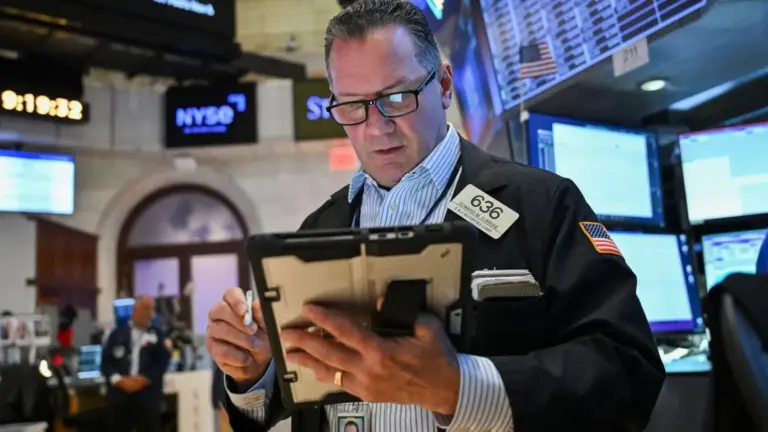
Wall Street saw a fragmented performance on Tuesday as investors balanced disappointing retail outlooks against anticipation for key technology reports. The Dow Jones Industrial Average took the hardest hit, sliding 337 points, largely dragged down by Home Depot. While the home improvement giant actually posted stronger than expected quarterly results, shareholders reacted poorly to a conservative holiday forecast and the sudden announcement of a leadership change taking place next week. This caution reflected broader concerns about a tightening consumer environment and persistent hurdles in the housing market.

Meanwhile, the Nasdaq remained relatively flat as traders braced for high stakes results from Nvidia after the closing bell. The semiconductor giant has faced a tumultuous month, with its stock plummeting nearly twenty four percent following the resignation of CEO Jensen Huang amidst personal scandals. Analysts suggest that the perceived stability of the artificial intelligence boom is beginning to fray, leading some investors to move away from concentrated bets on single dominant players and instead spread their risk across a wider variety of assets.

There were some bright spots in the tech sector however, as excitement grew surrounding Anthropic’s upcoming debut on the public market. Reports that the AI firm might price its IPO above its initial target range provided a lift to other chip related stocks like Marvell Technology and Arm Holdings. These gains helped stabilize the Nasdaq even as larger indices struggled to find footing during a day characterized by volatility and apprehension.

Adding to the atmospheric tension, macroeconomic signals suggested that borrowing costs could remain high for longer than hoped. St Louis Federal Reserve President Alberto Musalem offered a particularly hawkish perspective, suggesting that several more interest rate hikes might be necessary through early 2027 to bring inflation back down to two percent. This warning coincided with government data showing that October retail sales met expectations but import prices rose faster than analysts had predicted, leaving markets in a state of nervous equilibrium heading into Wednesday morning.

Anthropic appears poised for a strong entrance into the public market, with insiders suggesting the initial public offering price will likely exceed the previously estimated range of 70 to 78 dollars per share. The artificial intelligence firm plans to finalize its order books and secure total investor demand by Tuesday afternoon before officially debuting on the Nasdaq under the ticker ANT on November 19. This move comes just five months after SpaceX set a staggering benchmark for offerings, raising nearly 86 billion dollars in a record breaking event.

Despite the bullish pricing expectations, Anthropic is stepping into a complex financial climate where investors have become increasingly wary of the broader AI sector. Public sentiment regarding the technology has shifted toward skepticism in recent months, creating a challenging backdrop for any company attempting to prove that generative AI can translate into sustainable profit. To navigate these waters, founder and CEO Dario Amodei has leaned heavily into the company identity as a safety conscious alternative to rivals like OpenAI, dedicating over ninety pages of its prospectus to potential risk factors.

The financial figures accompanying the listing paint a picture of astronomical growth coupled with massive spending. For the nine months ending September 30, Anthropic reported revenues of over 33 billion dollars, representing a staggering increase of about 1200 percent compared to the previous year. Much of this surge is attributed to the success of Claude Code, their popular AI coding tool. However, this expansion came at a steep cost, with the company reporting a net loss of 104 billion dollars over the same period, although officials noted that significant portions of this figure stemmed from technical accounting changes related to convertible notes and derivatives.

As Amodei pitches his vision of an age of miracles capable of solving ancient human problems, he acknowledges that balancing commercial viability with rigorous safety protocols is essential for long term survival. By positioning itself as both a powerhouse innovator and a cautious steward of technology, Anthropic hopes its IPO will serve as a needed victory for an embattled industry looking for evidence that high valuation levels are still justifiable in today’s economy.

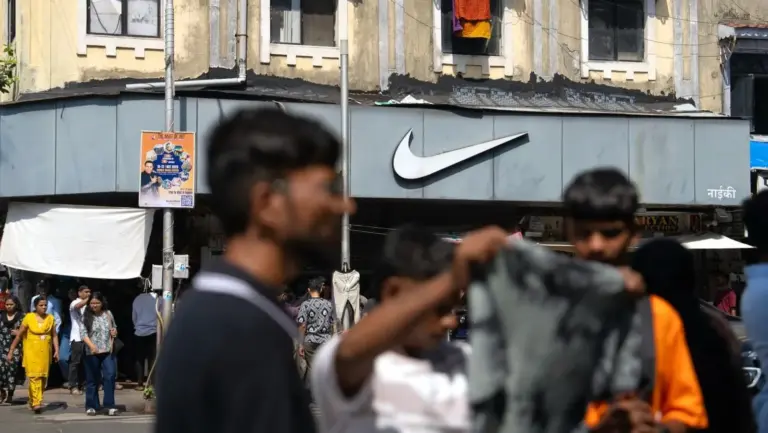
Nike is stepping back into the spotlight for its first investor day in nearly a decade, attempting to convince shareholders that a comprehensive turnaround plan can rescue the brand from a prolonged downturn. Facing a fifty percent drop in share value over the last two years, the sportswear giant revealed ambitious targets for fiscal 2031, aiming for five billion dollars in incremental revenue growth beyond 2027 and operating margins between twelve and fourteen percent. These optimistic projections come despite a sobering short term outlook, as the company reaffirmed guidance expecting revenues to decline in the high single digit range by 2027.

At the heart of this recovery effort is a new strategic initiative called Full Stride Ahead. Chief Executive Elliott Hill told reporters that the goal is to bring Nike closer to the athletes it serves by doubling down on innovation across five key areas: running, training, basketball, outdoor activities, and global football. This pivot comes as Nike struggles to reclaim its cultural edge, particularly after a noticeable loss of momentum in its domestic market and a sharp twenty six percent revenue plunge in China during the most recent quarter.

To fund this transition and streamline operations, Nike is implementing another round of layoffs alongside a supply chain overhaul known as Project Pace. Management believes these restructuring efforts will strip away roughly two point five billion dollars in costs by 2031. While North American markets have shown glimmers of hope, Hill acknowledged that those gains aren’t yet enough to counteract broader international headwinds fueled by inflation and geopolitical instability.

Looking toward future frontiers, Nike is diversifying its geographic footprint by establishing a new global campus in India. The move signals an attempt to capture emerging youth markets even as the company works tirelessly to stabilize its footing in China. By focusing on higher quality revenue streams and aggressive productivity improvements, Nike hopes to transform itself from a struggling legacy leader back into a dominant force of athletic culture and commerce.

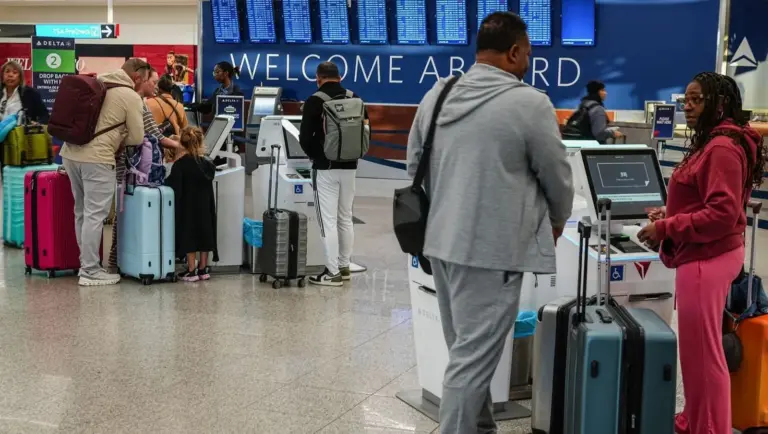
The Federal Aviation Administration has hit the brakes on its rollout of new networking hardware following a catastrophic technical failure that paralyzed American skies last Friday. A single overloaded router installed in southern Arkansas reportedly overwhelmed critical systems used for radar and air traffic control data, triggering a rare nationwide ground stop. For more than four hours, tens of thousands of flights were held on the tarmac, marking the most significant disruption to U.S. flight departures since the September 11 attacks.

The incident occurred during a broader effort managed by L3Harris Technologies to modernize the aviation communications network by replacing legacy copper wiring with high speed fiber optics. While officials have been quick to dismiss theories regarding a cyberattack or the influence of artificial intelligence, they admit they are still searching for the root cause of why one piece of equipment could trigger such a systemic collapse. The FBI has joined the investigation to help determine how a localized hardware issue bypassed redundancies meant to prevent widespread outages.

Lawmakers are now demanding answers, with Democratic members of the Senate Committee on Commerce, Science, and Transportation questioning whether modernization efforts are being prioritized over basic operational safety. Senators have requested urgent briefings from both L3Harris and Juniper Networks, the manufacturer of the devices, to understand why the system lacked the necessary safeguards to isolate the fault. There is growing concern in Washington that rushing into tech upgrades without rigorous testing may create new vulnerabilities in an already strained infrastructure.

Amidst this turmoil, Transportation Secretary Sean Duffy has urged Congress to approve fifty billion dollars in funding to overhaul the nation’s aging air traffic control system. However, his request has met resistance from some legislators who point toward billions in unspent funds from previous appropriations. Senator Ted Cruz suggested that while modernization is essential, any future spending must be strictly earmarked for safety enhancements rather than general upgrades, reflecting a tense political climate where efficiency and security remain at odds.

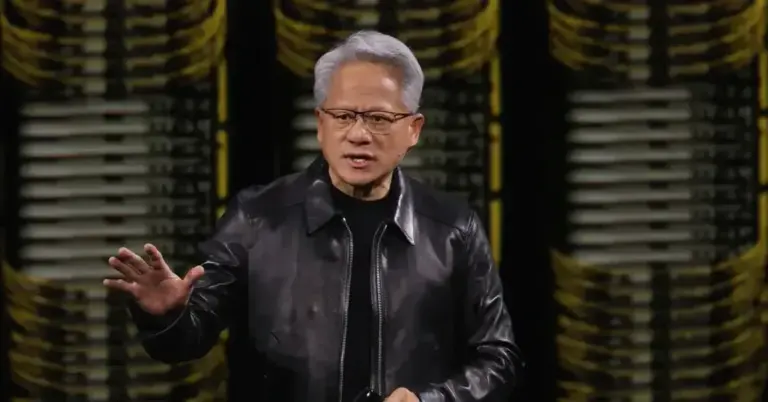
Jensen Huang has finally spoken out following his abrupt resignation from Nvidia, admitting that he failed to meet the company’s standards through serious personal mistakes. In a statement released Tuesday morning, the co-founder took full responsibility for the controversies surrounding his private life and expressed deep regret for the difficulties he caused the board. While acknowledging his errors, Huang left the door open for a comeback, stating he would be honored to resume his role as CEO if the board decided such a move served the best interests of shareholders, employees, and the country.

Despite this olive branch and a groundswell of public support, including a massive petition signed by thousands of employees and a nod of approval from President Trump, Nvidia’s leadership appears finished with Huang. Company Chair Harvey Jones clarified later Tuesday that there are no plans to rehire him. Instead, the board is actively searching for a permanent replacement among both internal and external candidates, though they expressed complete confidence in current interim leader Kress during this transition period.

The situation extends beyond workplace conduct into the realm of international espionage. Huang has agreed to testify before House lawmakers on December 1 regarding concerns that an affair with an alleged Chinese spy may have compromised national security. To manage these risks moving forward, Nvidia has established a new committee dedicated to overseeing national security policies and ensuring strict adherence to U.S. export controls.

Market analysts suggest that any hope of Huang’s return is likely misplaced. Dan Ives of Yorkville Ives & Co. noted that the board’s immediate focus on building compliance structures suggests they are moving past their former leader rather than planning his reinstatement. This instability has already taken a toll on investors, with Nvidia shares sliding further today and losing roughly 16 percent of their total value since the scandal first broke.