
Archive

November 12, 2026

Browsing

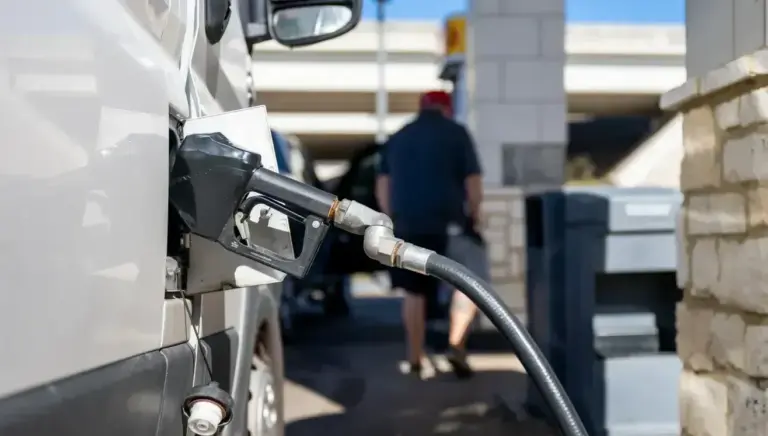
Drivers across the country are finally seeing some breathing room at the pump as the national average for a gallon of regular gasoline has dipped below the four dollar mark. According to data from AAA, prices hit roughly three dollars and ninety four cents this week, marking a forty cent drop over the last month. While many motorists might be tempted to attribute this sudden relief to recent political developments or elections, experts insist that the reality is far more mundane.

Much of the current decline is attributed to typical seasonal patterns. As autumn sets in, fewer people take to the roads compared to the peak summer travel season, naturally lowering demand. Additionally, refineries have completed their annual maintenance cycles and transitioned to a winter blend of gasoline. This specific mixture is designed to help engines start in colder temperatures and incorporates more butane, which makes it cheaper to produce than the smog reducing blends used during the hotter months.

Beyond local logistics, however, lies a larger geopolitical influence involving Brent crude oil. The raw material needed for gasoline has dropped toward ninety dollars a barrel due to increased pipeline flow from the Middle East and optimistic trading following diplomatic efforts between the United States and Iran. Analysts warn that this trend remains fragile, noting that any escalation in regional conflict could quickly erase these gains and send prices climbing once again.

Despite the immediate dip, energy analysts caution against expecting a full return to pre war pricing levels anytime soon. Recovering previous lows would require a total normalization of the global supply chain, including ships returning to standard routes through the Strait of Hormuz and a replenishment of depleted stockpiles. In fact, AAA notes that despite this recent drop, fuel costs remain at historic highs for this particular time of year.

United Airlines is stepping back from the automation trend by officially banning artificial intelligence agents from booking flights on behalf of passengers. The carrier announced the move on Wednesday, pointing toward significant security vulnerabilities and potential legal complications. As more people rely on sophisticated AI tools from companies like OpenAI and Meta to handle daily chores and shopping, United argues that giving these bots access to sensitive payment details and account credentials opens the door to identity theft, accidental purchases, and the unauthorized use of loyalty miles.

Beyond data privacy concerns, the airline highlighted specific regulatory hurdles that automated systems cannot legally clear. Federal rules require travelers to personally certify that their luggage contains no prohibited items during the check-in process, a verification step that a software agent simply cannot perform. To enforce this stance, United is updating its ticketing policies and implementing technical restrictions across its digital platforms and partner agencies to block unauthorized third party assistants.

Industry experts suggest this decision is about more than just safety; it is a strategic play for control. Aviation analyst Henry Harteveldt notes that United likely wants to prevent another powerful layer of intermediaries from sitting between the brand and its customers. By cutting off AI bots, the airline avoids the high infrastructure costs associated with surges in automated flight searches while ensuring they maintain a direct relationship with the traveler.

This approach puts United at odds with some competitors, such as Southwest, which has embraced integration by making its inventory accessible through ChatGPT. While traditional search engines and travel aggregators like Google Flights and Kayak will still be able to list United’s fares, those looking for a fully autonomous concierge experience will find themselves blocked. In essence, while finding a cheap ticket remains easy, letting a robot buy it for you is now against company policy.