
Archive

November 10, 2026

Browsing

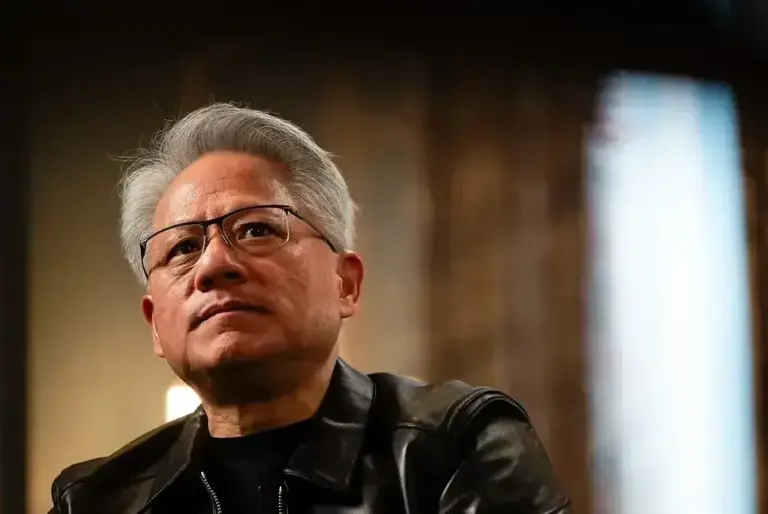
Jensen Huang has abruptly canceled his appearance at the upcoming ElevenLabs Summit in New York, marking a sudden retreat from several high profile public events. The voice AI company confirmed the news on Monday, noting that the Nvidia chief will no longer be attending this Wednesday’s gathering. This withdrawal is part of a broader pattern, as Huang has also stepped away from other major commitments, including the Anthropic CEO Forum, leaving partners and investors questioning the stability of the tech giant’s leadership.

The disappearance from the spotlight follows a chaotic weekend during which Huang issued a formal apology for an extramarital affair. In a candid internal memo addressed to his employees, he expressed deep remorse for being unfaithful to his wife and acknowledged the pain his actions caused his children. While the personal admission sparked immediate conversation across social media, it is the professional implications of his conduct that have sent shockwaves through Silicon Valley.

Beyond the domestic scandal, Nvidia has launched an official investigation into whether Huang’s relationship involved a potential Chinese spy. Given Nvidia’s critical role in global semiconductor supply chains and its complex business ties within Asia, these allegations have introduced significant geopolitical risk. Industry analysts suggest that this combination of personal failure and security concerns could jeopardize Huang’s long term tenure as CEO.

As one of the most influential figures in the current artificial intelligence boom, Huang’s absence is felt acutely by companies like ElevenLabs, where Nvidia remains a key investor. The unfolding crisis has left shareholders uneasy about how this turmoil might affect Nvidia’s strategic ambitions in China and its overall standing in an increasingly volatile market. For now, the man who led the GPU revolution finds himself fighting a battle for his own reputation behind closed doors.
A detailed warning from a New York short selling firm is gaining fresh attention after it became clear that Nvidia CEO Jensen Huang had developed an intimate relationship with a woman now suspected of being a Chinese operative. Culper Research first sounded the alarm in May, describing the bond between Huang and Alice Huang, an executive at the Singaporean firm Megaspeed, as uncomfortably close. At the time, the report noted that employees within Nvidia were already questioning the nature of their association after seeing the pair socialize frequently.

The situation escalated over the weekend when Jensen Huang admitted to having an extramarital affair with Alice Huang, who despite sharing his surname is not a relative. In response, Nvidia has launched a formal internal investigation into the matter. US intelligence officials now suspect that Alice Huang was recruited by the Chinese government specifically to gather sensitive information on the CEO and potentially sway his views on American export restrictions regarding high end artificial intelligence chips.

Beyond the personal scandal, Culper Research had originally used its findings to suggest that Nvidia faced a systemic problem with how its technology reached China. The firm alleged that restricted chips were being diverted through Southeast Asia via Megaspeed, which they claimed was secretly funded by Alibaba through various shell companies. To support this theory, Culper highlighted a massive spike in Megaspeed’s financial liabilities, which jumped from thirty three million dollars in late 2023 to roughly three billion dollars by late 2024.

While recent reporting from the Financial Times suggests that Alibaba did indeed provide loans to Megaspeed through subsidiaries, some aspects of the short seller’s claims remain unverified. Critics point out that Culper Research stood to profit financially if Nvidia’s stock price dropped following these revelations. Nevertheless, the timing of their initial report serves as a stark reminder of how long these red flags existed before they evolved into a national security concern for US authorities.