Archive

October 2026

Browsing

The landscape of global entertainment underwent a seismic shift this week as the massive deal to combine two of Hollywood’s most influential legacies finally crossed the finish line. In a transaction valued at 111 billion dollars, Paramount has acquired Warner Bros. Discovery to form a new entity known as Skydance. This merger brings an unprecedented collection of assets under one roof, granting the new company control over heavyweights like HBO, CBS, and the legendary movie studios associated with both brands.

For Atlanta, the closing of this deal marks a pivotal moment for several iconic networks that helped define the city as a media hub. Under the leadership of co-CEOs David Ellison and Ynon Kreiz, Skydance now oversees a sprawling empire that includes CNN along with TNT, TBS, and Cartoon Network. While the corporate structure changes, Mark Thompson is expected to remain in his role as chairman and editor-in-chief at CNN, providing some continuity during what is essentially the fifth major ownership transition for those properties in twenty five years.

David Ellison expressed high ambitions for the venture, stating that the goal was to merge these storied studios into a more competitive force capable of reaching audiences across every imaginable platform. By pooling their resources and talent, Skydance aims to challenge dominant streaming players like Netflix while leveraging massive intellectual properties ranging from DC Comics to various cinematic franchises.

However, the road ahead involves significant logistical challenges as the company works to integrate two distinct employee bases and vast amounts of real estate. With anticipated annual revenues hitting 70 billion dollars and billions in new debt financing secured to fuel the move, the industry will be watching closely to see if this consolidated giant can successfully navigate its integration without losing the creative spark of its individual parts.

Starbucks is facing a federal lawsuit alleging that several of its drinks marketed as sugar free actually contain amounts of sugar comparable to a Kit Kat candy bar. The legal action focuses specifically on the company’s hot and iced protein lattes and protein matcha beverages in caramel and vanilla flavors. According to the filing, these drinks can contain anywhere from 13 to 21 grams of sugar per serving, leading plaintiffs to argue that no reasonable consumer would expect such high levels of sweetener in a product explicitly labeled as sugar free.

Lawyers representing consumers from California, New York, and Washington argue that this isn’t simply a matter of hidden nutritional data, but rather a case of blatant and misleading naming conventions. Steve Berman, a partner at Hagens Berman, noted that for individuals managing diabetes or strict health regimens, this kind of labeling discrepancy is more than just an oversight; it is a significant health concern. The lawsuit seeks financial damages for affected customers and demands that the coffee giant stop using the term sugar free for any product containing actual sugar.

In response to the allegations, Starbucks has denied misleading its customers and vowed to fight the claims in court. The company explained that while they use sugar free syrups for flavor, the sugars found in these specific drinks come naturally from the protein boosted milk used in the recipes. They maintain that their nutritional information has always been clearly available via their app, website, and physical menus throughout the promotional process.

While some listings on the Starbucks website previously described these items as sugar free, they also simultaneously listed the total gram count of sugar per drink and specified that there was no added sugar. This nuance lies at the heart of the dispute, pitting corporate definitions of additive sweeteners against consumer expectations of what a zero sugar label should actually mean.

British Airways is doubling down on the luxury market by transforming its fleet of Airbus A380 jumbo jets into floating hotels for the wealthy. In a significant shift in strategy, the airline is stripping away nearly a hundred standard economy seats to make room for an expansive business class cabin featuring 106 suites equipped with sliding doors. This move represents one of the most aggressive pivots toward premium travel seen in recent years, effectively dedicating the entire upper deck of the world’s largest passenger plane to its highest paying customers.

The reconfiguration does not stop at business class, as the carrier is also expanding its premium economy section from 55 to 84 seats while slightly trimming its first class offering to twelve exclusive suites. By reducing the economy capacity from 303 down to just 215 seats, British Airways is signaling a clear preference for profit margins over passenger volume. This trend mirrors moves made by other global carriers like American Airlines and Qantas, all of whom have noted a surge in demand from travelers willing to pay thousands of dollars for increased privacy and comfort on long haul journeys.

This gamble extends beyond seat maps, serving as a vote of confidence in the A380 itself at a time when many other airlines have retired their jumbo jets in favor of smaller, more fuel efficient models. While manufacturers stopped delivering these giants years ago, British Airways believes that providing an ultra luxurious experience can justify the operational costs of such large aircraft. It is a risky but calculated play in an industry where high end tickets often fetch five figures and luxury has become the primary battleground for competition between major airlines.

Nvidia stock NVDA ticked higher on Monday after Foxconn reported its strongest-ever monthly revenue, providing a fresh indication of demand for AI infrastructure and consumer electronics heading into the final quarter.

Foxconn, a major assembler of Apple products and an important builder of Nvidia-based AI servers, reported September revenue of 36.5 billion,or NT$1.16 trillion.

Revenue rose 25.7% from August and 38.4% from a year earlier.

The monthly figure was Foxconn’s first above NT$1 trillion and exceeded its previous record of NT$946.5 billion set in July.

In the July September quarter, the company posted revenue of NT$3.03 trillion, beating the LSEG SmartEstimate of NT$2.83 trillion.

Foxconn revenue highlights AI demand

Foxconn’s results are closely watched by Nvidia investors because the Taiwanese manufacturer builds and integrates AI server systems based on Nvidia’s accelerated-computing platforms.

The company manufactures systems including GB200 and GB300 NVL72 racks, while also handling power delivery, liquid cooling, mechanical systems and networking integration.

These systems are more complex than conventional servers because of the computing requirements of artificial intelligence workloads.

The latest revenue figures therefore provide a fresh indication of activity across the AI infrastructure supply chain as companies continue investing in computing capacity.

Nvidia and Foxconn expanded their partnership in October 2023, when the companies announced plans to develop AI factories using Nvidia’s computing hardware and software.

The partnership has become increasingly important as demand for AI infrastructure has expanded beyond individual chips to complete systems that combine computing, networking, power and cooling capabilities.

BNP Paribas raises Nvidia target

Nvidia also received support from BNP Paribas, which continues to view the chipmaker as its preferred semiconductor stock.

The brokerage raised its Nvidia price target to $345 from $285, citing the company’s broad portfolio of AI hardware, CUDA software and networking products.

BNP Paribas expects Nvidia to maintain a leading position in AI computing as workloads increasingly shift towards inference.

Inference refers to the process of running AI models after they have been trained.

The brokerage also expects Nvidia to maintain gross margins above 70% despite increasing competition from custom chips and other semiconductor companies.

The view highlights the importance of Nvidia’s broader AI platform rather than its position as a chip supplier alone.

Its hardware, software and networking products remain central to the company’s competitive position, according to BNP Paribas.

Bernstein maintains Nvidia outlook

Bernstein also maintained its positive view on Nvidia, reiterating an outperform rating and a $400 price target.

The brokerage said the data centre opportunity remains substantial, reinforcing the broader investment case around Nvidia’s role in AI infrastructure.

The company’s position in the AI computing market comes as demand for increasingly complex data centre systems continues to drive investment across the semiconductor and server supply chain.

Foxconn’s record September revenue provides another data point for investors assessing the strength of that demand.

Its monthly revenue increase also points to continued activity across both AI infrastructure and consumer electronics markets.

The post Why is Nvidia stock rising today? appeared first on Invezz

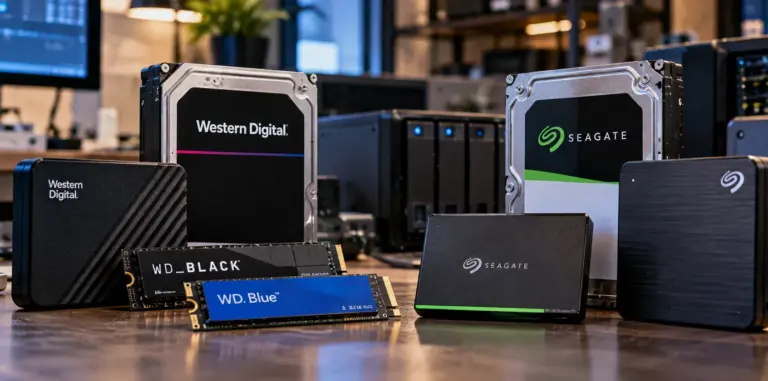
Shares of Western Digital WDC and Seagate Technology rebounded on Monday as analysts assessed the potential impact of Toshiba’s plans to expand hard disk drive (HDD) production.

Western Digital shares rose 6.8% in Monday afternoon trading, while Seagate gained 5.9%.

Both stocks had fallen sharply on Friday after a Nikkei Asia report highlighted Toshiba’s potential plans to significantly increase its HDD production capacity.

Analysts said the expansion could add to supply but argued that it is unlikely to materially change the HDD market’s supply-demand balance in the near term.

Analysts say Toshiba capacity increase may not overwhelm market

TD Cowen analyst Krish Sankar said that while the prospect of Toshiba doubling its exabyte capacity “sounds bearish” for US storage makers, the underlying figures are less concerning.

Sankar estimated that Toshiba’s expansion could add about 75 exabytes of incremental supply.

That would leave the company with around 15% to 17% of the overall HDD market, he said, while the industry currently faces a shortage of about 300 exabytes.

The estimate also does not account for Sankar’s expectation that demand for digital storage capacity will grow by about 30% annually in 2027 and 2028.

As a result, Sankar described Toshiba’s capacity additions as “a natural response to tightness” rather than an indication of future excess supply.

Bernstein similarly said Toshiba’s announcement had been misunderstood.

The research firm noted that the company is targeting nearly double its production capacity by fiscal 2027, which ends in March 2028, rather than immediately doubling its share of the global HDD market.

If Toshiba doubles its exabyte output while Western Digital and Seagate each increase shipments by 25%, in line with their long-term plans, Toshiba’s share of exabyte capacity would rise from 11.2% to 16.8%, Bernstein estimated.

The firm described the potential increase as “significant” but “isn’t that alarming” and reiterated its Outperform ratings on both US storage companies.

Toshiba faces a lengthy capacity ramp

The potential competitive threat also remains several years away.

Sankar said doubling Toshiba’s exabyte production could take about two years, based on a 12-month wafer cycle and another 12 months to build production capacity and install manufacturing equipment.

He also noted that customers appear “skeptical about [the] capacity ramp trajectory for Toshiba”, pointing to previous instances in which the company fell short of production targets.

Western Digital and Seagate are also advancing their product roadmaps, potentially allowing them to extend their lead while Toshiba adds capacity.

Sankar said the US companies can supply some of their own components, while Toshiba will need to rely on other suppliers.

Evercore ISI analyst Amit Daryanani also highlighted the component issue.

He said Toshiba would need to “materially outgrow the market”, which he expects to expand by at least 25%, while securing enough components and qualifying higher-capacity products with customers.

Analysts expect HDD supply to remain tight

Daryanani said Toshiba’s planned $380 million investment to expand HDD manufacturing in the Philippines would still fall short of adding a meaningful amount of exabyte capacity.

Citi analysts also said Toshiba’s expansion was unlikely to materially ease the HDD supply shortage, noting that the industry is currently under-shipping unconstrained demand “by a wide margin”. T

he analysts recommended buying Western Digital and Seagate following Friday’s selloff.

Morgan Stanley likewise said the supply-demand gap through calendar 2028 is expected to remain wider than Toshiba’s potential capacity expansion.

The firm also noted that Toshiba lacks leading-edge capacity and HAMR technology.

The post Why Western Digital and Seagate stocks are rebounding on Monday? appeared first on Invezz

US Treasury yields climbed to their highest levels in more than two decades on Monday as investors assessed fresh economic data and awaited minutes from the Federal Reserve’s September meeting.

Oil prices fell as Middle Eastern crude exports increased and G7 countries pledged to boost supplies, although geopolitical risks continued to limit the decline.

Gold prices edged lower as a stronger dollar and elevated Treasury yields offset reduced expectations of a Federal Reserve rate hike this month.

Bitcoin remained near recent highs after entering October with gains, although technical indicators pointed to cooling short-term momentum.

Treasury yields hit more than two-decade highs

The benchmark 10-year Treasury yield rose 9 basis points to 5.349%, its highest level since April 2002, while the 30-year yield rose more than seven basis points to 5.703%, its highest since May 2002.

The moves came after the Institute for Supply Management reported that its services Purchasing Managers’ Index rose to 54.9 in September.

The reading was broadly in line with expectations but slightly below the August rate of growth.

The prices component of the services ISM increased 1.4 points to 74, lifting its 12-month average to the highest level since March 2023.

Investors are now focused on minutes from the Fed’s September policy meeting, due Wednesday.

A weaker-than-expected September jobs report had recently reduced expectations for another rate increase at the October meeting.

Traders were pricing in an almost 82% probability that the Fed would leave rates unchanged at its next meeting, according to the CME FedWatch tool.

Oil prices fall as supply outlook improves

Brent crude futures settled 2.36%, lower at $99.84 a barrel, while US West Texas Intermediate crude fell 2.41%, to $88.91.

The decline came as Middle Eastern crude exports rose above pre-war levels on four of the seven days in the final week of September, according to shipping data.

The G7 also agreed to release 100 million barrels of diesel and crude from emergency reserves and pledged to avoid energy export restrictions.

However, uncertainty remained over how much of the pledged supply would come from the International Energy Agency-coordinated 400 million-barrel emergency release announced in March.

The broader supply backdrop remained tight. Saudi Aramco CEO Amin Nasser said crude and refined fuel supplies could remain stretched, with global stockpiles potentially taking two years to replenish after emergency withdrawals.

US Strategic Petroleum Reserve inventories fell to 283 million barrels last week, the lowest level since October 1982.

Gold gains as October Fed hike bets fall

Spot gold was up 0.02% at $4,143.31 an ounce, while US gold futures for December delivery settled 0.17% higher at $4,169.70.

The stronger US dollar and elevated Treasury yields weighed on the precious metal.

Higher interest rates can reduce the appeal of non-yielding assets such as gold, although the metal can also act as an inflation hedge.

Expectations for a Fed rate hike in October declined following weaker US employment data.

Traders were pricing a 22% probability of an October increase, compared with about 70% a week earlier. The probability of a December increase remained at 84%.

Metals Focus expects gold to reach new record highs in 2027 and forecasts an average price of $5,330 an ounce next year.

Bitcoin consolidates near recent highs

Bitcoin was up 0.2% in the last 24 hours and was trading near $85,680.

The cryptocurrency was consolidating near recent highs, although its technical setup showed weaker short-term momentum.

An RSI reading around 41 and a MACD below its signal and zero lines indicated that momentum had cooled.

Bitcoin’s broader backdrop remained supported by corporate treasury activity.

Strategy bought 334 BTC for $28.7 million, while Metaplanet increased its holdings to 44,000 BTC after adding 1,000 BTC during the third quarter.

Bitcoin ETF flows also remained positive, with $164.22 million of net inflows over one day and $226.41 million over seven days, according to CoinGlass data.

The market-implied year-end high on Kalshi rose to $95,000, while Bitcoin could potentially test $90,000 if the current positive setup continues.

Meanwhile, proposed CFTC crypto market rules could provide a clearer federal framework for Bitcoin, Ethereum and registered crypto exchanges.

The post Evening digest: Treasury yields hit highs, Bitcoin holds near $87K appeared first on Invezz


Global biosecurity alarms are flashing after an incident at an anti-plague research facility in Siberia sparked a severe public health response.

Following the fatal lab exposure of a researcher in Irkutsk region to Yersinia pestis – the bacterium causing pneumonic plague – Russian officials placed several regional hospitals under quarantine and isolated nearly 200 contacts.

Because pneumonic plague spreads through respiratory droplets and carries high mortality without immediate intervention, emergency biodefense protocols are ramping up globally.

According to experts, these 3 pharma stocks are “uniquely positioned” to get a boost from the Russian plague outbreak.

Emergent BioSolutions (EBS)

Emergent BioSolutions stock occupies a foundational role in global public health threat mitigation, making it a primary candidate for biodefense capital allocation amidst the Russian plague outbreak.

While widely recognized for its Medical Countermeasures (MCM) unit – which supplies anthrax and smallpox medical treatments to national strategic stockpiles – EBS maintains the specialized biomanufacturing infrastructure as well, required to produce broad-spectrum antimicrobial countermeasures and biodefense therapeutics.

As national defense agencies re-evaluate supply chain readiness for biological threats following the Irkutsk lab containment breach, Emergent shares stand to benefit through elevated government procurement contracts, federal biodefense grants, and strategic stockpile replenishment orders designed to hedge against potential biological contagion risks.

Wall Street currently has a consensus Overweight rating on EBS stock.

Spero Therapeutics (SPRO)

Spero Therapeutics is a clinical-stage biopharmaceutical developer explicitly focused on treating high-consequence, multi-drug resistant bacterial infections.

Its core technology platform targets severe Gram-negative pathogens, the exact structural class of bacteria to which Yersinia pestis belongs.

SPRO lead oral and intravenous antibacterial pipelines, developed partly with funding from federal research bodies like the “Biomedical Advanced Research and Development Authority” (BARDA), aim to address critical gaps in hospital-acquired infections and biodefense preparedness.

With public health professionals prioritizing rapidly deployable therapeutic options for dangerous bacterial agents, Spero Therapeutics’ targeted antibiotic research positions the firm for expanded government research partnerships and biosecurity contract funding.

SPRO stock receives coverage from just one Wall Street analyst, albeit he rates it a Buy currently.

Innoviva (INVA)

Innoviva holds a diversified portfolio of commercial-stage healthcare assets, prominently featuring infectious disease specialist Entasis Therapeutics following its full acquisition.

Key among its commercial offerings is XACDURO (sulbactam and durlobactam), an FDA-backed targeted intravenous antibacterial combination designed specifically to fight severe Gram-negative pathogen infections.

Innoviva’s strategic focus on hospital-based anti-infectives provides exposure to institutional demand for potent, modern antibiotic therapies.

As health authorities and defense agencies assess contingency protocols against weaponized or accidental pathogen releases, INVA’s established infrastructure for critical-care antibacterials places it in a prime position to fulfill emergency procurement and institutional stockpile requests.

Wall Street firms currently rate Innoviva stock at Overweight on average, with a mean price target of about $35 indicating massive upside potential from here.

The post Russian plague outbreak could boost these under-the-radar pharma stocks appeared first on Invezz

The Nasdaq Composite reached a fresh all-time high on Monday as technology stocks advanced despite rising US Treasury yields and investors assessed new economic data.

Gains in major technology and artificial intelligence-related stocks helped lift the index, while traders also looked ahead to the Federal Reserve’s September meeting minutes and the start of third-quarter earnings season.

The Nasdaq gained 1.05% to reach an intraday record of 27,544.07, while the S&P 500 rose about 0.7%.

The Dow Jones Industrial Average added around 90 points, or nearly 0.2%.

AI stocks lead Nasdaq higher

Stocks linked to the artificial intelligence trade led the gains.

SpaceX jumped nearly 6%, while Meta and Microsoft gained more than 2% and 1%, respectively. Nvidia rose more than 1%, and Tesla advanced 2%.

The technology sector continued to attract investors even as Treasury yields moved higher. The 10-year Treasury yield rose more than nine basis points to 5.349%, while the 30-year yield increased about seven basis points to 5.703%.

Both yields have climbed to multiyear highs in recent weeks as investors have assessed the possibility that inflation could keep the Federal Reserve’s interest rates higher for longer.

The latest market moves came as investors reviewed the Institute for Supply Management’s services-sector report.

The services Purchasing Managers’ Index rose to 54.9 in September, broadly matching expectations but coming in slightly below the previous month’s reading.

Investors are now awaiting the minutes from the Federal Reserve’s September meeting, which could provide further insight into the central bank’s decision to raise interest rates by 25 basis points last month.

Lower oil prices provide support

Oil prices declined on Monday as investors assessed an improvement in Middle Eastern crude exports and commitments from the Group of Seven to increase supplies.

Brent crude futures fell more than 1.9% to $100.30 a barrel, while West Texas Intermediate crude declined about 2% to $89.29.

The move in oil prices provided another factor supporting investor sentiment after a week marked by rising Treasury yields and weaker-than-expected US employment data.

The September jobs report showed that US job growth slowed more than expected, reducing market expectations for another Federal Reserve rate hike in October.

Traders were pricing in a 24% probability of an October rate increase, down from 70% a week earlier, according to CME’s FedWatch tool.

Earnings season moves into focus

Investors are also turning their attention to the upcoming third-quarter earnings season, which begins next week with results from major US banks.

LSEG data showed analysts expect S&P 500 earnings to increase more than 30% year over year, driven largely by artificial intelligence-related companies.

The Nasdaq’s previous record closing high was set on September 22.

Elsewhere, PTC surged after Schneider Electric agreed to acquire the software company in a $22.6 billion all-cash transaction.

RXO also advanced after C.H. Robinson Worldwide agreed to acquire the transportation broker in a $5.8 billion stock-and-cash deal.

Cerebras Systems gained after OpenAI CEO Sam Altman described the chip designer as a close partner and said the companies had extensive work underway focused on improving speed.

The post Nasdaq hits record high as tech stocks rise despite Treasury yields appeared first on Invezz

Barrick Gold has reached a significant milestone in East Africa as the Tanzanian government officially renewed the special mining licenses for the North Mara gold mine. This extension guarantees the company’s right to operate at the site for another fifteen years, stretching their presence there until 2041. The mine is managed via Twiga Minerals, a joint venture formed in 2019 that ensures a fair distribution of wealth, granting the government a sixteen percent free carried interest and an even split of economic gains.

Seb Bock, who leads Barricks Rest of World division, described the renewal as a testament to the deep trust and partnership built between the company, the state, and local residents over the last few years. According to Barrick, this collaborative approach has yielded substantial results for the national economy, with roughly 5.3 billion dollars invested since they took control five years ago. In 2025 alone, contributions totaling 1.2 billion dollars were made through royalities, taxes, and salaries, earning the firm recognition as the country’s top revenue contributor.

Beyond the financial figures, the North Mara operation has focused heavily on localization. Currently, ninety six percent of the workforce consists of Tanzanian nationals, many of whom live in the villages immediately surrounding the mine. This commitment to domestic growth extends to supply chains as well, with over ninety percent of procurement needs being met by indigenous companies registered within Tanzania.

While celebrating success in East Africa, Barrick has also been managing volatility elsewhere on its continent wide portfolio. The company recently averted a potential crisis in Mali by signing a new collective bargaining agreement with unions at its Loulo Gounkoto mine. This deal resolves long standing disputes over overtime pay and expenses that had previously threatened to trigger widespread strikes across several sites during a period of political transition and regulatory change in Mali.

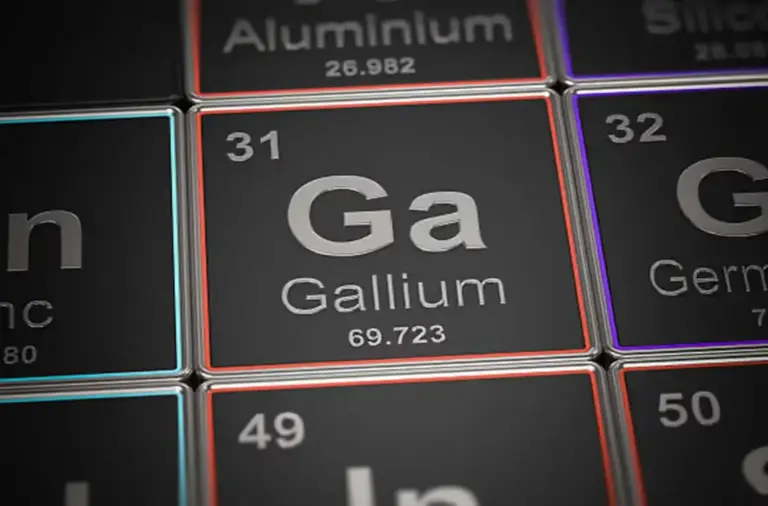
Greek industrial giant Metlen is rapidly cementing its position in the global tech supply chain after securing a significant long term deal to provide gallium to a major Japanese chemical firm. This latest agreement allocates roughly 16 percent of the annual yield from Metlen’s upcoming production site, marking the second time the company has pre sold its output before the plant even opens. The facility, which is slated to start commercial operations in late 2027, aims for a total capacity of 50 metric tons per year, and leadership expects every ounce of that production to be spoken for well before the doors open.

The venture represents a milestone for European industry as it establishes the continent’s first integrated gallium production pipeline. By leveraging proprietary technology and sourcing materials from its own Aluminium of Greece plant, Metlen is creating a streamlined process for extracting this rare metal. This move comes at a critical time when global manufacturers are desperate to diversify their sources of gallium, a component essential for everything from artificial intelligence hardware and defense systems to telecommunications and green energy infrastructure.

Metlen Executive Chairman Evangelos Mytilineos noted that the level of international interest in the project has surpassed all internal projections. He suggested that these back to back deals reflect an urgent global demand for stable and diversified supply chains away from traditionally dominant markets. According to Mytilineos, this investment does more than just grow a business; it integrates Greece into a sophisticated new technology ecosystem while helping Europe secure its footing in a market vital for future innovation.

This Japanese partnership follows another landmark deal signed last year with a prominent United States technology company, which claimed about 25 percent of the projected output. Because of its strategic importance, the European Commission has formally labeled the facility as a Strategic Project under the Critical Raw Materials Act. To ensure its completion, the project has also received financial backing from the European Investment Bank via the REPowerEU framework, highlighting how central this refinery is to broader geopolitical goals regarding resource independence.