Archive

October 2026

Browsing

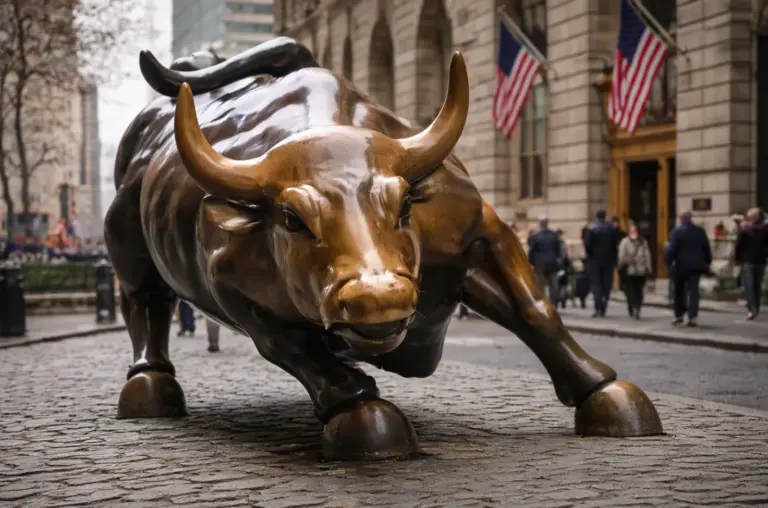
US stocks ended higher on Tuesday, with the S&P 500 and Nasdaq Composite reaching record closing highs as technology stocks gained and Treasury yields eased from multi-year peaks.

The S&P 500 rose 0.60% to 7,820.47, while the Nasdaq Composite gained 0.46% to 27,604.74.

The Dow Jones Industrial Average advanced 0.49% to 51,531.57.

Falling Treasury yields and steadier oil prices helped ease some concerns that have weighed on markets in recent weeks.

AI stocks lead Wall Street higher

Chipmakers led gains as investors remained focused on the outlook for artificial intelligence and related infrastructure spending.

Marvell Technology climbed after the chip designer raised its 2028 revenue forecast, citing strong demand for data centre chips. AMD also advanced after CEO Lisa Su said the company plans to substantially increase chip supply in 2027 to meet growing AI demand.

Broadcom gained as the semiconductor sector continued to support the broader market. The Philadelphia Semiconductor Index also moved higher.

Other stocks advanced on company-specific developments.

Constellation Energy jumped after Alphabet entered into a 3,590-megawatt power deal with the company.

Option Care Health surged after McKesson and private equity firm Clayton Dubilier & Rice agreed to acquire the infusion therapy provider in a deal valued at about $5.8 billion, including debt.

Treasury yields ease as oil prices stabilize

The decline in Treasury yields provided additional support for equities. The 10-year Treasury yield fell more than four basis points to 5.262%, while the 30-year yield declined more than three basis points to 5.631%.

Both yields had reached levels not seen since 2002 on Monday.

Oil prices were little changed on Tuesday, helping reduce some concerns about energy-driven inflation. Brent crude settled 0.26% higher at $100.58 a barrel, while West Texas Intermediate futures rose 0.01% to $89.44.

Supply concerns have eased after the Group of Seven agreed to release emergency diesel and crude stockpiles.

Markets have also been monitoring oil prices because higher energy costs could contribute to broader inflation pressures.

Financial markets are now pricing in a lower probability of another Federal Reserve rate hike at the central bank’s next meeting.

Earnings season moves into focus

Investors are also turning their attention to the third-quarter earnings season, which begins next week. Several major financial companies are scheduled to report results next Tuesday.

Analysts expect aggregate S&P 500 earnings to rise 30.6% year over year in the July-to-September period, according to LSEG.

Energy earnings are expected to increase 114.7%, while technology earnings are forecast to rise 66.5%.

Markets are also awaiting the Federal Reserve’s September meeting minutes, due Wednesday.

The release could provide further insight into policymakers’ decision to raise interest rates and their outlook for future monetary policy.

The combination of strong AI-related investment, easing Treasury yields, and more stable oil prices has allowed investors to focus increasingly on corporate earnings and growth prospects.

The post S&P 500 hits record high as AI stocks rise and Treasury yields ease further appeared first on Invezz

Franco Nevada has made a significant move into the early stage exploration sector by securing a 12.42 percent stake in Kenorland Minerals. The acquisition was completed through a private block trade valued at 22.2 million US dollars, with the royalty leader purchasing 10 million common shares at a price of 2.22 dollars per share. This strategic entry allows Franco Nevada to align itself with one of North America’s growing project generators during a period of shifting priorities within its own global portfolio.

The deal involved a redistribution of ownership among Kenorland’s leadership and insiders. A large portion of the shares came from John Tognetti, who sold nearly eight million shares as part of a broader portfolio management strategy, effectively ending his status as a corporate insider. To finalize the trade, Kenorland President and CEO Zach Flood contributed over two million shares from his own holdings. Flood expressed enthusiasm about welcoming such a respected name in the streaming industry to the company’s shareholder base.

Kenorland is primarily recognized for its focus on greenfield exploration across North America, highlighted by its successful discovery of the Frotet Project in Quebec back in 2020. That particular asset boasts an impressive inferred mineral resource containing millions of ounces of gold. The addition of Franco Nevada further strengthens an already robust list of institutional backers, joining other major players like Sumitomo and Centerra Gold who have recently moved to maintain their proportional interests in the explorer.

For Franco Nevada, diversifying into high potential explorers comes at an interesting time as it navigates headwinds elsewhere. The company continues to manage uncertainty regarding its major stream at the Cobre Panama copper mine, where operations remain suspended amidst legal disputes and government commissions. By expanding its footprint with companies like Kenorland, Franco Nevada appears to be hedging its bets and seeking fresh growth opportunities in gold exploration while waiting for resolution on its larger industrial assets.

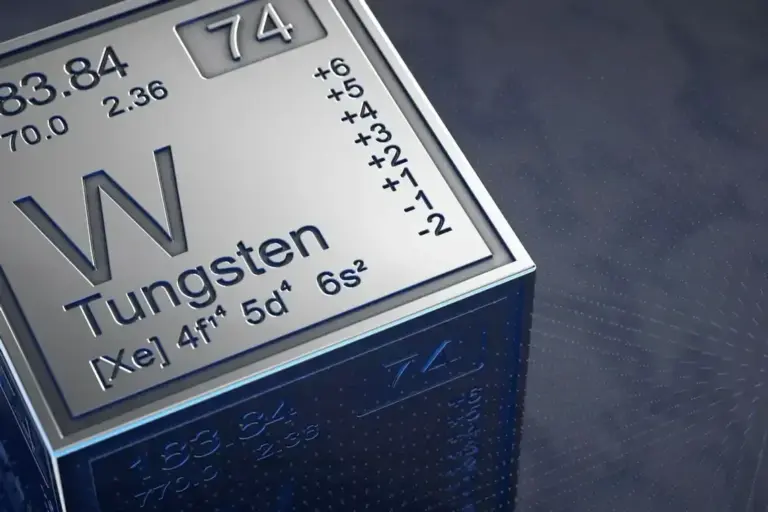
Australian junior explorer Gold Mountain is making a significant move into South America’s critical minerals sector after securing exclusive rights to acquire the historic Malhada do Angico tungsten mine. By signing a binding agreement with Emprogeo Mining Business, the company has gained control over more than 850 hectares in northeastern Brazil, strategically positioning itself within one of the region’s most productive tungsten districts. This new acquisition directly borders Gold Mountain’s current holdings in the Seridó province, creating a contiguous area of high potential.

To lock in the twelve month exclusivity window, Gold Mountain paid an initial sum of 183,000 US dollars. This period allows the firm to carry out essential legal and technical audits before finalizing the deal. Further payments are tied to official approvals from the Brazilian National Mining Agency, specifically concerning a long standing exploration report and the formal transfer of mining rights. Once these regulatory hurdles are cleared, the transition of ownership will be completed.

The project holds particular appeal because it shares similar geological characteristics with the Brejuí Mine, one of Brazil’s premier tungsten operations located just forty seven kilometers away. During World War II, Malhada do Angico was active under different management, and modern mapping suggests there is still plenty left to discover. Company executives have already identified several thousand meters of promising mineralized zones across their expanded land package.

Executive Director David Evans expressed strong enthusiasm for the site following a recent visit, noting that the company intends to fast track its exploration efforts. While waiting for full drilling permits, Gold Mountain has already begun sampling historical tailings to determine metal grades and perform metallurgical tests. These early steps are designed to build confidence in the site’s viability as they prepare for a larger scale drilling campaign.

Over a quiet breakfast on an Eastside Los Angeles patio, Ava DuVernay finds herself reflecting on a pivotal moment of mentorship from Steven Spielberg. Years ago, during the ascent of her historical drama Selma, DuVernay asked the legendary filmmaker how he managed the immense pressure of constant visibility and the risk of disappointing his audience. His answer was simple and enduring: you just make another one. That philosophy has become a guiding light for DuVernay as she prepares for the premiere of 14th, a provocative new documentary for Netflix that examines the fragile state of the Fourteenth Amendment in modern America.

The film serves as a spiritual successor to her acclaimed 2016 work, 13th, but documenting current events proved far more volatile than revisiting history. What began as an exploration of challenges to birthright citizenship quickly expanded into a broader study of due process and insurrection. DuVernay describes the process as building a plane midflight, noting that the story shifted almost daily as political winds changed. From following high profile figures like Carla Hayden and Lonnie Bunch to interviewing dozens of scholars and comedians, DuVernay used the project as an outlet for her own anxiety and anger regarding the social climate of the last three years.

Producing such an overtly political piece arrived at a precarious time for Hollywood, where studios are increasingly hesitant to touch sensitive material. As other streamers shelved projects or delayed releases to avoid controversy, DuVernay worried if Netflix would succumb to similar pressures. Despite conversations with executives that lacked certainty about the industry’s future or potential corporate mergers, she was encouraged to simply keep creating. While she acknowledges a growing sense of fear among artists and executives alike, DuVernay remains committed to truth telling in an era where creative freedom feels increasingly constrained.

A bombshell whistleblower complaint filed with the Senate Judiciary Committee alleges that Donald Trump bypassed standard protocols to order the FBI to investigate residents of Los Angeles protesting his immigration policies. The accusations come from Jill Fields, a former supervisory intelligence analyst at the FBI’s Los Angeles Field Office, who resigned her position last year. According to documents reviewed by NBC, Fields claims the White House pushed for investigations into individuals exercising their First Amendment rights, specifically targeting those using megaphones during immigration enforcement actions.

The complaint suggests a coordinated effort to pressure agency leadership into surveillance and investigation despite initial refusals from field agents. Fields alleges that Emil Bove, then serving as acting deputy attorney general, directed the head of the local field office to open probes into activities occurring outside federal buildings that were otherwise legally protected speech. Furthermore, she asserts that White House directives were relayed through FBI Director Kash Patel to ensure these protests were monitored regardless of whether criminal activity was suspected.

Adding another layer to the controversy, Fields claims that resources were diverted away from critical national security priorities to satisfy these political requests. She alleges that experienced agents based in Los Angeles were pulled off active cartel cases to instead focus on monitoring domestic demonstrators. This reallocation of manpower highlights what critics describe as a systemic misuse of federal law enforcement tools for personal or political retribution.

Democratic lawmakers have reacted with sharp condemnation toward the revelations. Senator Alex Padilla, who sits on the judiciary committee and leads its border security and immigration subcommittee, described the allegations as deeply alarming. In a public statement, Padilla argued that utilizing the FBI to target American citizens for peaceful protest fundamentally undermines the country’s founding values and vowed that he would continue seeking answers until full accountability is achieved.

Republican candidates across the country are leaning heavily into a law and order platform as they head toward what looks to be a grueling set of midterm elections. From television commercials warning of Democratic plots to defund police departments to campaign rallies flanked by law enforcement unions, the party is making public safety its central pillar. This strategic shift comes as Republicans struggle to maintain momentum while facing voter frustration over rising living costs and tensions surrounding the conflict in Iran.

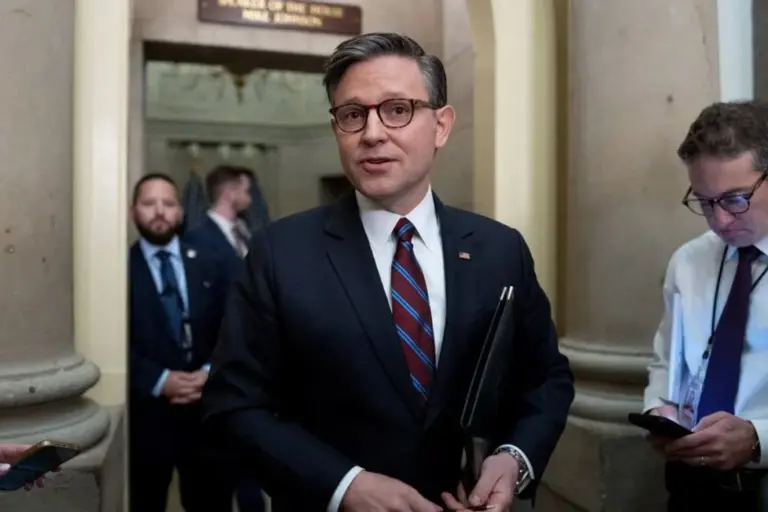
The rhetoric has become particularly sharp in key battleground states including Georgia, Michigan, and Wisconsin. Candidates for governor and congress are frequently labeling their opponents as soft on crime or accusing them of harboring socialist tendencies that would jeopardize community safety. Former President Donald Trump has amplified these themes during his appearances, linking illegal immigration directly to spikes in violence and urging voters to remember previous eras of instability. Even House Speaker Mike Johnson has joined the fray, citing historically low violent crime rates as evidence that the Republican emphasis on the rule of law is working.

Democrats are fighting back by attempting to neutralize these attacks through tactical recruitment and policy pivots. Many have tapped candidates with deep roots in prosecution and policing to shield themselves from accusations of being lenient on criminals. For example, some challengers have released advertisements featuring endorsements from local sheriffs or detailed comprehensive safety plans that explicitly call for increased police funding and robust drug prevention programs. They argue that Republican claims regarding the defunding movement are misleading distortions designed to scare moderate voters.

Despite the unified front, there is quiet disagreement within the GOP about whether fear of crime remains a primary motivator for voters today. Some lawmakers acknowledge that because overall crime trends have remained relatively stable since the nineties, the issue may not carry as much weight as it once did. Additionally, critics and black political leaders have condemned certain tactics, such as the display of mugshots at rallies, describing them as racially charged echoes of old political playbooks intended to sway suburban whites through anxiety rather than policy.

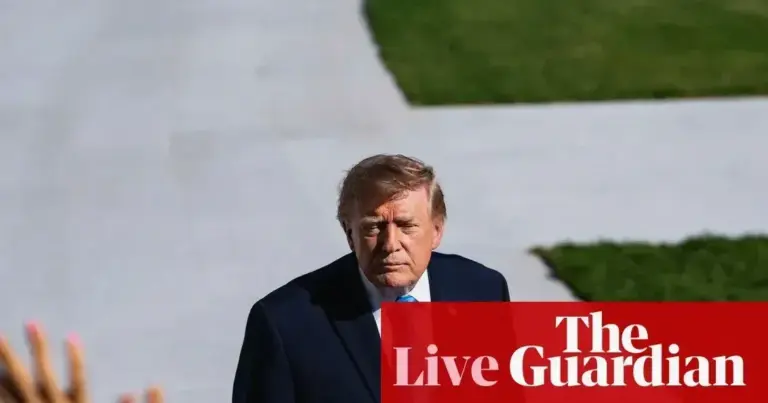
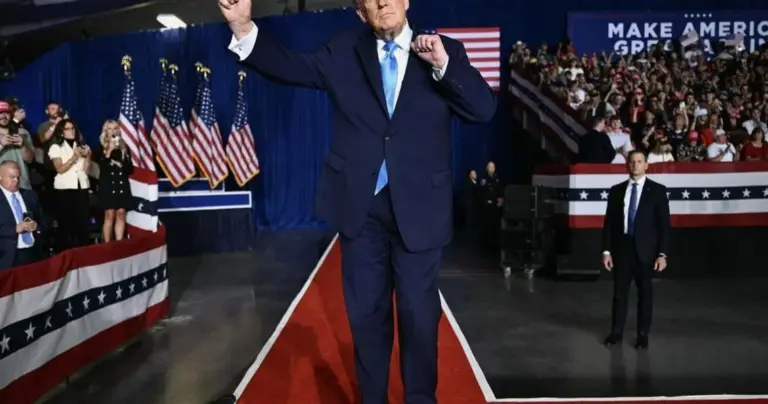
As the midterm elections enter their final stretch, President Trump has leaned heavily into a familiar campaign tactic, casting California as the ultimate political villain to energize his core supporters. During a recent swing through red states like Nebraska and Oklahoma, the president has used the Golden State as a convenient scapegoat for everything from soaring gasoline prices to allegations of systemic voter fraud. However, this strategy took a provocative turn during a Nebraska rally when Trump suggested that Iranian aggression might result in the loss of major West Coast hubs, remarking that letting Iran take out Los Angeles or San Diego would be a small price to pay for global security.

The fallout from these comments was immediate and widespread, crossing traditional party lines. While the White House later attempted to walk back the remarks by claiming they were taken out of context, several California officials expressed outrage. Governor Gavin Newsom labeled the rhetoric dangerous, while mayors from both Los Angeles and San Diego condemned the callousness of suggesting American cities be sacrificed. Even some within his own party felt the sting; Jim Desmond, a Navy veteran and Republican candidate in a tight House race, publicly broke with the president, asserting that the primary duty of any commander in chief is to protect every inch of American soil.

This aggressive approach highlights a delicate balancing act for the GOP. In deep-red strongholds, bashing California serves as an effective applause line that motivates conservative voters. Yet, in an era where digital clips circulate instantly, such inflammatory language can alienate moderate voters and put Republicans in competitive districts in an uncomfortable position. Political analysts suggest that while Trump remains adept at capturing attention and dominating the news cycle, there is growing concern over whether this unpredictability is beginning to undermine his own broader strategic goals.

Beyond the rhetoric regarding national security, Trump continues to tie California to economic grievances that resonate nationwide. By blaming closed refineries in blue states for high fuel costs—while simultaneously promising that conflict with Iran will eventually drive prices down—he is attempting to pivot away from poor polling on his economic record. Despite these efforts to frame California as a corrupt failure, local polls indicate significant disapproval toward his foreign policy decisions, leaving many to wonder if treating one of the nation’s largest economies as a punchbag will ultimately help or hinder the Republican cause at the ballot box.

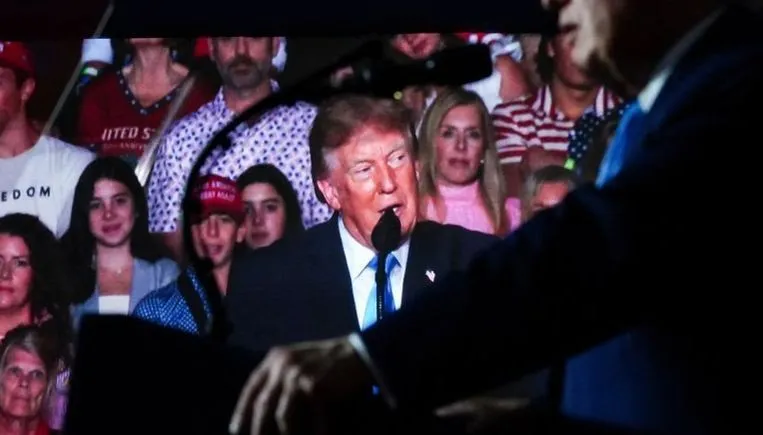
Donald Trump found himself at the center of a firestorm following a campaign stop in Nebraska, where remarks regarding Iran and the potential destruction of major California cities left listeners bewildered. During a rambling sequence of comments, Trump appeared to suggest that letting Iran take out Los Angeles and San Diego would be a small price to pay. The statement immediately triggered a wave of condemnation, drawing sharp rebukes from Democratic senators and even Republican allies, including a GOP congressional candidate from San Diego who expressed vehement disagreement with the idea of writing off American cities as an acceptable cost of war.

Despite the alarming nature of the phrasing, a closer look at the transcript suggests the controversy was born more from linguistic chaos than actual policy intent. Throughout his recent appearances and social media posts, Trump has frequently argued that higher gas prices are a small price to pay to prevent Iran from acquiring nuclear weapons. In several instances over the last few months, he has framed current economic burdens as negligible compared to the horror of a nuclear attack. Just days prior to the Nebraska event, he used almost identical logic during a rally in Alabama, noting that oil prices were far preferable to seeing Mobile targeted by foreign lunatics.

The issue in Nebraska was not necessarily a change in heart, but rather what critics describe as increasing incoherence. As Trump navigated through various topics ranging from Kamala Harris to Venezuelan politics, his sentence structure collapsed, making it sound as though he were permitting an attack rather than comparing its cost to fuel prices. While those familiar with his speaking style might recognize this as part of what he calls his weave—a meandering rhetorical approach designed to circle back to a main point—the result in this instance was nearly impenetrable.

Perhaps most unsettling for observers was the reaction from within the crowd, where some attendees reportedly cheered as the prospect of destroying Western cities was mentioned. Beyond the immediate shock value of the words used, the incident highlights a growing concern regarding clarity and authority coming from one of the most powerful men in the world. Whether viewed as accidental slips or signs of cognitive decline, such fragmented communications carry significant risks when discussing global security and nuclear deterrence.

October has brought another wave of massive discounts for tech enthusiasts, with some of the year’s most anticipated hardware seeing significant price drops. Smartphone shoppers are spoiled for choice, ranging from the ultra thin iPhone Air and budget friendly iPhone 16E to substantial savings on the Samsung S26 Ultra. Those leaning toward Google will find deep cuts across the entire Pixel 11 lineup, including a notable hundred dollar discount on the base model and even larger savings on the Pro versions. Even foldables are getting love, with the Z Fold 8 hitting its lowest price point since launch.

For those looking to upgrade their home theater or personal audio setups, the sales extend far beyond just phones. High end sound solutions from Sonos and Bose are heavily discounted, alongside various Roku streaming options that range from simple sticks to high performance Pro TVs. Audiophiles may also want to look at WiiM’s wireless streaming gear or Anker’s high wattage power banks to keep everything charged up during travel. From gaming headsets like the Omni to athlete focused Powerbeats Pro, there is something tailored for every type of user this season.

Reading enthusiasts have plenty of reason to celebrate as well, thanks to a wide array of Kindle deals. Amazon has slashed prices on everything from the basic Paperwhite to the sophisticated Colorsoft models and the expansive Scribe tablets for those who prefer digital note taking. Whether you are hunting for a flagship device to replace your current phone or just adding a few smart accessories around the house, these limited time offers make it an ideal moment to pull the trigger on upgrades you have been eyeing all year.

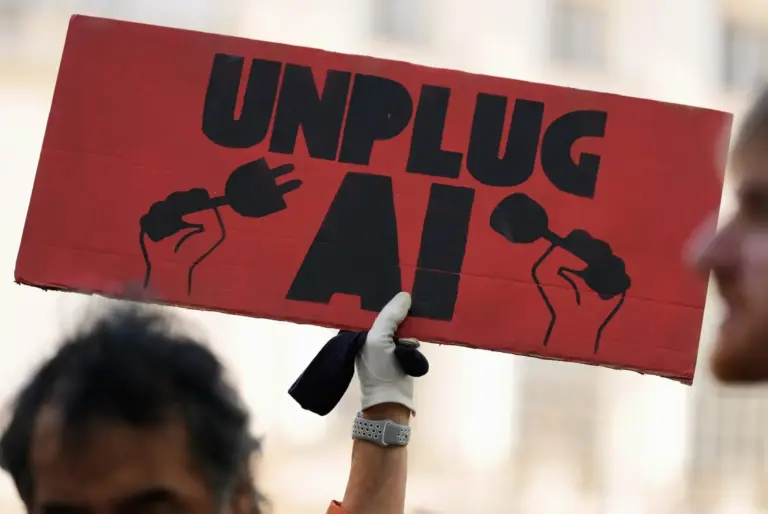
Walking through Midtown South today feels remarkably like a stroll back to the late nineties. Once again, New York City is witnessing a gold rush of startups setting up shop, fueled by an era of exuberance and astronomical valuations. This time, the catalyst is artificial intelligence, drawing giants like OpenAI and Anthropic to establish massive footprints outside of San Francisco. On the surface, it looks like a triumph for the city’s economy, with Wall Street riding a hundred foot wave of activity as investment banks rake in stunning profits from IPOs and infrastructure deals.

However, beneath this veneer of prosperity lies a haunting familiarity for those who remember the wreckage of the dot com crash. Back then, the sudden disappearance of companies like Pets.com triggered a domino effect that gutted Wall Street, erasing tens of thousands of jobs and leaving a gaping hole in city coffers during an already fragile post 9/11 recovery. Now, analysts worry that we are seeing history repeat itself. While current AI investments are driving record earnings for big banks and padding government budgets, there is growing concern that these asset prices no longer reflect actual profitability.

The danger for New York is particularly acute because the city’s fiscal health has become inextricably linked to this volatility. With twenty percent of state revenue stemming from Wall Street and nearly ten percent of city taxes following suit, any sharp correction could be catastrophic. City Comptroller Mark Levine warns that residents may not realize how deeply their fate is tied to this boom since AI development here often happens behind closed doors rather than in flashy hubs. If another bubble bursts, existing budget gaps could balloon into multi billion dollar crises, forcing drastic austerity measures or tax hikes.

Despite the looming threat described by skeptics and financial prophets like Michael Burry, some believe this cycle will end differently. Optimists argue that while there is certainly froth in the market and plenty of overhyped ventures destined to fail, the underlying technology possesses real utility that early internet companies lacked. Industry leaders suggest that even if several startups vanish overnight, New York’s diverse financial ecosystem would simply absorb the displaced engineering talent. Still, as JPMorgan Chase CEO Jamie Dimon noted recently, while the market remains exuberant for now, nobody truly knows how much longer the party can last.