Author

admin

Browsing

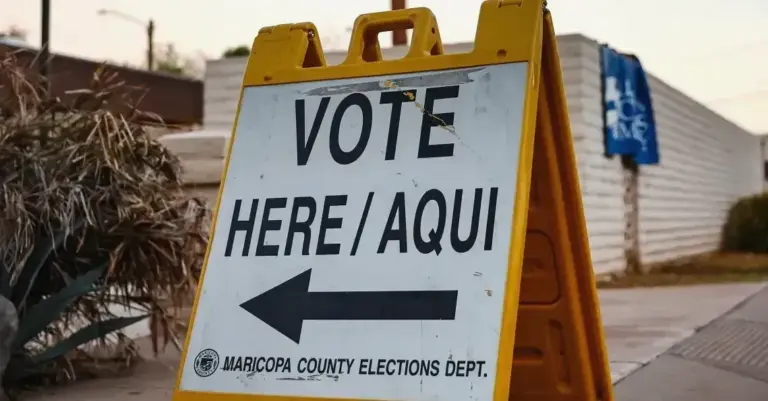
If you spend five minutes talking to a Gen Z woman about the current state of politics, the conversation will almost certainly pivot to money. From the soaring price of rent and groceries to the daunting cost of healthcare, affordability has become the defining anxiety for a generation of young women. Recent polling suggests that these concerns aren’t just shared but are felt more acutely by women than by their male peers. For many, ninety percent see daily expenses as a critical issue, often ranking it alongside or even above traditionally dominant topics like abortion and immigration.

Despite how universal this struggle is, there is a growing sense that politicians are speaking a different language. While candidates from both sides of the aisle frequently mention affordability in their speeches, organizers say the messaging feels hollow and vague. Standard campaign promises regarding tax cuts fail to resonate with students who are currently deciding whether they can afford to eat while paying for an apartment or choosing between an unpaid internship required for graduation and basic necessities like gas and food. To these voters, traditional political rhetoric feels disconnected from a reality where a one bedroom apartment can cost two thousand dollars a month.

This disconnect has led to a profound sense of disillusionment with the political establishment. There is a feeling among young women that leaders are unwilling to propose radical or concrete solutions to what feels like an existential crisis. Instead of broad goals, they are looking for immediate, tangible actions that make stability possible again. With voting rates among Gen Z women consistently higher than those of young men, this demographic represents a powerful electoral force that remains largely untapped because neither party seems able to bridge the gap between policy jargon and lived experience.

Beyond the monthly bills, there is a deeper psychological toll emerging as young women face rising unemployment rates and staggering student loan debt. For many, the promise that higher education leads to financial security is starting to look like a myth. Some describe their situation as a living nightmare—a rare historical moment where children may be less prosperous than their parents. As they enter a workforce still plagued by gender pay gaps and economic volatility, these women aren’t just asking for lower prices; they are demanding proof that the American dream is still something they can actually achieve.
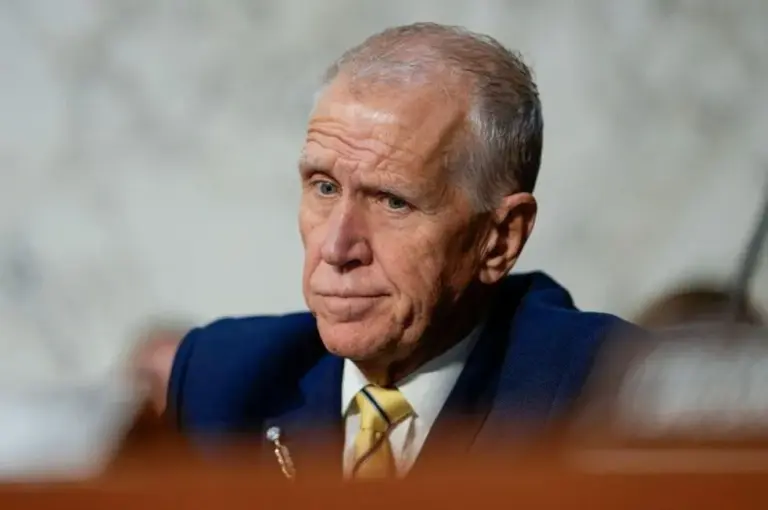
Senator Thom Tillis is using his final months in office to deliver a blistering critique of the current administration, claiming in his upcoming memoir that his deciding vote to confirm Defense Secretary Pete Hegseth stands as the biggest regret of his professional life. In the book titled How to Lose Friends and Antagonize Presidents, the North Carolina Republican admits he felt pressured by a political climate where defying President Trump seemed like a certain path to career suicide. He confesses that while he was skeptical of reports regarding Hegseth’s conduct and management style, he ultimately chose not to be the lone dissenting voice in the wilderness.

The reflections extend beyond the Department of Defense, with Tillis expressing deep remorse over allowing Robert F. Kennedy Jr. to take the helm at Health and Human Services. The senator argues that he allowed his colleagues to outsource their courage to him, pretending to support questionable nominations while privately harboring doubts. According to Tillis, there are dozens of fellow Republicans who share these private reservations but maintain a facade of loyalty whenever cameras begin rolling. While he praises Trump’s innate political talent, he directs his anger toward the advisors surrounding the president, whom he describes as idiots responsible for steering the country toward authoritarianism.

Beyond personnel disputes, Tillis uses the narrative to detail the breakdown of his relationship with the president, specifically citing a tipping point over a massive tax and spending cuts package. After clashing with Trump over proposed cuts to Medicaid, Tillis decided not to seek reelection, leading to a series of public insults from the president who labeled him a quitter on social media. The senator does not hold back in describing this fallout, concluding his account with a candid look at the tension between them through shared texts and raw admissions of failure.

Looking ahead, Tillis warns that executive overreach will eventually haunt the majority party and predicts a electoral bloodbath for Republicans in the coming midterms. He suggests that the party missed multiple opportunities to correct its course and now finds itself chased by what he calls a giant bronze monster. By airing these grievances now, Tillis joins an increasing number of GOP figures who feel emboldened to speak their truth only after they no longer face the pressure of another campaign cycle.

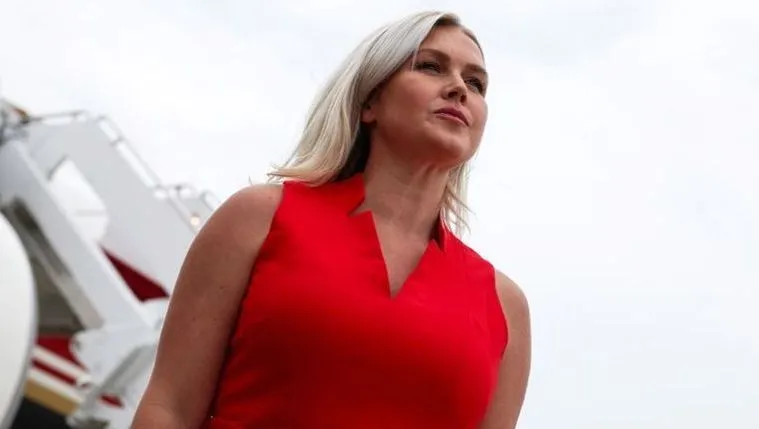
Karoline Leavitt is trading the high pressure of the White House briefing room for a new role as an on air contributor at Fox News. Starting November 1, the former press secretary will offer political analysis and commentary across the network’s various platforms. This transition comes just weeks after Leavitt stepped away from her official government duties, citing a desire to prioritize her family life over the demanding schedule of a top administration post.

The move allows Leavitt to return to her roots in Atkinson, New Hampshire, where she now resides with her husband and two young children. To accommodate her new professional responsibilities while staying close to home, sources indicate that Fox News has agreed to construct a dedicated studio within her residence. It is a significant shift in scenery for someone who previously lived at the Naval Observatory during her time serving as the primary voice for the president.

Despite leaving the White House, Leavitt remains deeply embedded in Donald Trump’s inner circle. She continues to work with the MAGA Inc. super PAC and has maintained a visible presence at major events, including a recent appearance at the Republican midterm convention in Dallas and a project involving an AI powered governmental website. Her appointment follows a similar path taken by Kayleigh McEnany, another former Trump press secretary who successfully transitioned into a prominent media career at Fox News.

Meanwhile, the vacancy left behind at the White House podium persists as Trump searches for a permanent successor. Since Leavitt’s departure, briefings have been handled on a rotating basis by figures such as Vice President JD Vance. During a lighthearted exchange with reporters on Thursday, Trump suggested he had plenty of candidates for the job and even jokingly pointed toward Fox News correspondent Peter Doocy as a potential fit for the role.

Senate Minority Leader Chuck Schumer is sending a clear message to President Donald Trump regarding the future of the American judiciary. As the 2026 midterm elections approach, Schumer has warned that if Democrats regain control of the Senate, they have no intention of confirming what he describes as MAGA judges to the Supreme Court or lower federal courts. This stance reflects a growing determination among Democrats to block ideological appointments that they believe serve a specific political agenda rather than the rule of law.

The tension centers on the possibility of a vacancy on the nation’s highest court. While no sitting justice has officially announced a retirement, attention remains fixed on conservative stalwarts Clarence Thomas and Samuel Alito due to their ages. Justice Alito recently admitted he had contemplated stepping down earlier this year but ultimately decided against it, noting that predicting thepolitical landscape and presidential reactions makes such a decision difficult. For Democrats, the goal is now focused on ensuring that any opening does not result in another lifelong appointment from Trump.

Several lawmakers argue that this strategy is simply a matter of reciprocity. Senator Ruben Gallego suggested that Democrats should mirror the tactics once employed by former Majority Leader Mitch McConnell, who famously blocked a seat during the Obama administration for nearly a year to ensure a Republican could eventually fill it. Other members of the Judiciary Committee, such as Senator Richard Blumenthal, indicated that confirmation chances for Trump picks are virtually nonexistent, suggesting some nominees may fail basic litmus tests, such as acknowledging the results of the 2020 election.

Republicans are framing this potential blockade as a threat to constitutional norms and judicial qualification. Senator Darline Graham emphasized that only a Republican-led Senate can guarantee that Trump’s nominees receive a fair hearing and vote. Even some Republicans acknowledge the bleak outlook; Senator John Kennedy remarked that while it isn’t technically impossible for a Trump nominee to pass through a Democratic Senate, it would be roughly as likely as someone mistaking him for Brad Pitt. With several key figures nearing retirement and electoral battles looming, the fight over who shapes American law for decades to come has already begun.

The political landscape for Latino voters is shifting rapidly following the 2024 election, with new data suggesting a significant move back toward the Democratic Party. According to a recent NBC News and Telemundo poll, Democrats currently hold a 24 point lead among Latino registered voters in a ballot test for the 2026 midterms. This represents a double digit reversal from previous surveys and suggests that the gains Republicans made during the last cycle may be fragile, particularly in states like Texas and Florida where GOP leadership had hoped to solidify their newfound momentum.

At the heart of this pivot is a growing dissatisfaction with the economy. While immigration remains a persistent concern, the rising cost of living has emerged as the primary driver for many voters. The shift is stark when compared to 2024; whereas Donald Trump once held a slight edge on economic handling, Democrats now enjoy a 21 point advantage on that specific issue. This disillusionment is tangible enough that nearly a quarter of Latinos who previously supported Trump say they do not plan to back Republicans in the upcoming midterm elections.

Beyond economics, visceral reactions to federal immigration enforcement are weighing heavily on the electorate. Roughly two thirds of Latino respondents believe current enforcement policies have gone too far, reflecting deep anxiety over ICE operations. The survey reveals a climate of fear, noting that nearly one third of participants report carrying identification specifically to avoid being swept up in raids, while others have direct personal connections to individuals who have been detained or deported under the current administration’s second term.

However, this trend is not uniform across all demographics or geographies. Data indicates that Latino women remain more inclined toward Democratic candidates than Latino men, and regional disparities persist. Specifically, voters in Florida appear less likely to swing back toward Democrats than those in other parts of the country. These nuances suggest that while the general trajectory favors Democrats for now, victory in 2026 will depend on navigating various regional tensions rather than relying on a single nationwide wave.

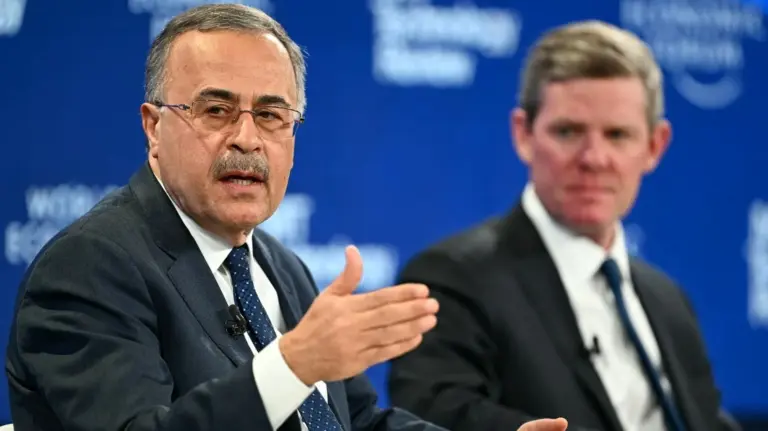
Amin Nasser, the chief executive of Saudi Aramco, has warned that the world could be waiting up to two years for global oil inventories to return to healthy levels. Speaking at the Energy Intelligence conference in London, Nasser cautioned that the current squeeze on supplies may actually worsen as the conflict between the United States and Iran continues to destabilize the region. According to the CEO of the world’s largest oil producer, market stability remains elusive until there is full confidence in the safety of the Strait of Hormuz.

The strategic importance of the Strait cannot be overstated, as it serves as a primary artery for roughly twenty percent of the planet’s oil and liquefied natural gas shipments. Recent hostilities have turned this narrow waterway into a flashpoint, disrupting shipping lanes and triggering economic tremors worldwide. While G7 nations recently moved to release 100 million barrels of emergency reserves under pressure from U.S. President Donald Trump, Nasser suggests these measures may not be enough to offset deeper systemic losses.

Data provided by Nasser indicates that nearly three billion barrels of supply have vanished since military strikes began in late February. Although one billion barrels have been drawn from existing stocks to bridge the gap, much of this came from commercial inventories rather than strategic ones. With approximately six billion barrels remaining in storage deemed practically unavailable, Nasser noted that the entire distribution system is already straining under the weight of diminished capacity.

Despite these grim projections, oil prices remained mixed on Monday as some reports indicated slight increases in flows through Saudi Arabia’s East-West pipeline and parts of the Strait. However, tensions remain high on the water; recent maritime alerts reported an Iranian naval force intercepting a tanker near Oman and ordering it to turn back. This ongoing volatility suggests that while short term trades continue, the structural recovery of global energy buffers will be a slow and precarious process.

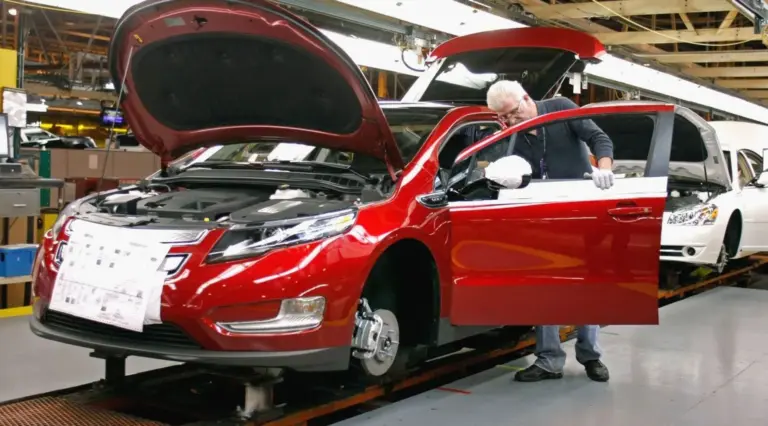
General Motors is preparing to bring hybrid vehicles back into its United States lineup, acknowledging that consumers aren’t yet ready to make a full leap into all-electric driving. Mike Anderson, GM’s vice president of propulsion engineering, recently emphasized that the company is listening closely to its customers and intends to provide the variety of powertrains that drivers are actually asking for. This shift comes after years of the automaker focusing almost exclusively on battery-electric vehicles, a strategy that left them sidelined while competitors capitalized on the surging popularity of gas-electric blends.

The decision reflects a broader trend in the American auto market where hybrids have become the primary growth engine for electrification. Recent data from Cox Automotive shows a significant spike in hybrid sales, which far outpace the adoption rate of fully electric cars as buyers grapple with high gas prices and lingering concerns over charging infrastructure. While GM maintains that its ultimate destination remains an entirely electric future, leadership admits that reaching that goal requires a diverse technological bridge to keep drivers satisfied in the interim.

Despite the confirmation that hybrids are returning, GM remains tight-lipped about specific release dates and models. Industry analysts suggest that plug-in hybrids could start appearing across various portfolios, from SUVs like the Equinox to heavy-duty trucks like the Silverado, potentially arriving between late 2027 and early 2028. Company executives have historically been cautious about these intermediate technologies due to their added complexity and cost, but current market pressures and evolving emission standards are making a return to hybrids inevitable.

Thousands of consumers across more than two dozen states may need to check their refrigerators after the U.S. Food and Drug Administration announced a voluntary recall of over 122,000 cases of Gatorade. The alert centers on specific batches of Lemon Lime, Lemon Lime Zero, Orange, and Orange Zero flavors sold in 28 ounce bottles. According to officials, these particular drinks contain Yellow No. 5 and Yellow No. 6 food dyes that were not properly listed on the product packaging.

The FDA has categorized this as a Class II recall, which suggests that while the risk is generally low, consuming the affected beverages could lead to temporary or reversible health issues. For most people, these dyes are harmless common additives used to maintain consistent coloring in processed goods. However, those with known sensitivities or allergies to aspirin may be at a higher risk for experiencing an allergic reaction, such as a mild rash or asthma symptoms.

To determine if their drinks are part of the recall, customers should look for lot dates falling between April and June of 2027. The agency recommends checking the official FDA website for a comprehensive list of impacted dates and distribution locations. While PepsiCo has been contacted for further comment regarding how the labeling error occurred, the company’s primary focus remains removing the mislabeled stock from store shelves nationwide.

Lucid Group is feeling the pinch of a cooling electric vehicle market, reporting a 6.7 percent dip in year over year deliveries for the third quarter. The luxury automaker delivered 3,806 vehicles between July and September, falling short of the 4,078 units moved during the same period last year. This decline comes as the company intentionally throttles its manufacturing process to avoid piling up unsold inventory in an environment where consumer appetite for high end EVs has slowed.

The shift marks the first full quarter since Lucid implemented an operational reset under new CEO Silvio Napoli, who took the helm in June. As part of this strategic pivot, the company reduced operations at its Arizona plant from two shifts down to one. While overall annual deliveries remain slightly higher than they were a year ago, the recent drop highlights the difficulty Lucid faces in balancing aggressive growth targets with actual market demand.

To stabilize its finances, Lucid is hunting for roughly 1.4 billion dollars in cash flow improvements throughout the current year. These efforts involve slashing capital expenditures and reducing operating costs, while also aggressively managing existing vehicle inventory to free up hundreds of millions of dollars. Despite these internal shakeups and heavy backing from Saudi Arabia’s Public Investment Fund, investors remain cautious; shares have plummeted more than 60 percent so far this year.

Wall Street remained largely unfazed by Monday’s specific delivery numbers, with shares ending the day nearly flat despite the volume drop. Market analysts will be looking for deeper insights into the company’s recovery trajectory when Lucid releases its comprehensive third quarter financial results on November 9th after the closing bell.

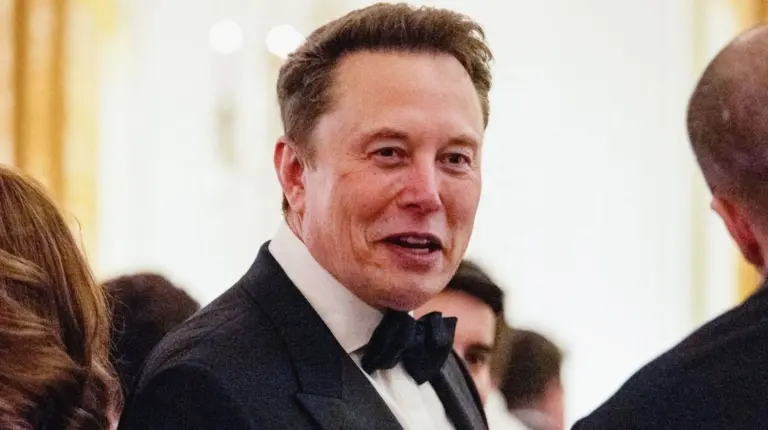
Elon Musk has officially returned to the trillion dollar club following a sharp climb in SpaceX shares on Monday. The stock jumped nearly eight percent to reach its highest point since mid June, pushing Musk’s total net worth to approximately one point zero three trillion dollars when combined with his Tesla holdings. This financial rally comes on the heels of a bullish note from Morgan Stanley analysts who described the current share price as cheap and set an ambitious price target of three hundred dollars per share.

The surge in investor confidence follows a whirlwind period of operational success for the aerospace giant. Just last week, SpaceX executed several historic missions in a single day, transporting a NASA crew to the International Space Station while simultaneously launching Google AI chips into orbit. Much of the excitement now centers on the upcoming test flight of Starship, the massive reusable rocket that promises to revolutionize satellite deployment and deep space travel. Analysts suggest that if SpaceX can successfully catch the Starship upper stage during its next landing attempt, it could trigger another massive wave of growth for the company.

Beyond rockets, SpaceX is leveraging its expanding footprint in artificial intelligence to drive revenue. By integrating xAI and acquiring Cursor, the company has turned itself into a critical infrastructure provider, renting out immense computing capacity to rivals like Google and Anthropic despite its own Grok model struggling to gain market dominance. These technological strides are bolstered by Musk’s strengthening relationship with the federal government, evidenced by his recent appointment as co lead of Project Meridian, a Pentagon initiative focused on future military capabilities.

While Wall Street celebrates these gains, some political figures are voicing concerns over the concentration of such vast wealth. During a recent New York City Council hearing on AI regulation, Councilmember Shekar Krishnan pointedly noted that AI has inflated corporate valuations and increased the fortunes of executives like Musk at the expense of public resources. Despite these criticisms and his absence from the regulatory hearings, Musk continues to align himself closely with current political trends, recently announcing plans to rename his AI division to SpaceXSI in keeping with new branding preferences from President Trump.