
Archive

October 2026

Browsing

The American economy is presenting a complicated puzzle for policymakers as the latest data reveals a tug of war between persistent price hikes and surprisingly robust growth. According to the Commerce Department, the Federal Reserve’s favorite measure of inflation drifted further away from its goal in September, with the personal consumption expenditures index climbing to 3.6 percent annually. While these numbers aligned with what many economists had predicted, they highlight a frustrating reality for those hoping for a quick return to stability, as both headline and core inflation hit their highest levels since May.

Despite the lingering sting of rising costs, the broader economy appears remarkably resilient. Third quarter gross domestic product grew at an annualized rate of 3.4 percent, comfortably beating forecasts and signaling that consumer spending remains a powerful engine for national growth. This surge was supported by strong personal consumption and high levels of federal government spending, suggesting that demand is still humming along even as buyers feel the pinch at the checkout counter.

This combination of hot growth and sticky inflation puts the Federal Reserve in a difficult position regarding future interest rates. Market analysts note that while the central bank recently held rates steady, the current economic climate may force another tightening move soon. With consumers continuing to spend despite falling savings rates, there is growing speculation among investors that a rate hike in December is likely necessary to keep inflation from spiraling further upward.

Wall Street reacted cautiously to the mixed news on Thursday morning, with major indices including the S&P 500 and Nasdaq sliding following the reports. Investors seem wary that the very strength fueling GDP growth could inadvertently prolong the fight against inflation, leaving them caught between cheering for a booming economy and fearing higher borrowing costs through next year.
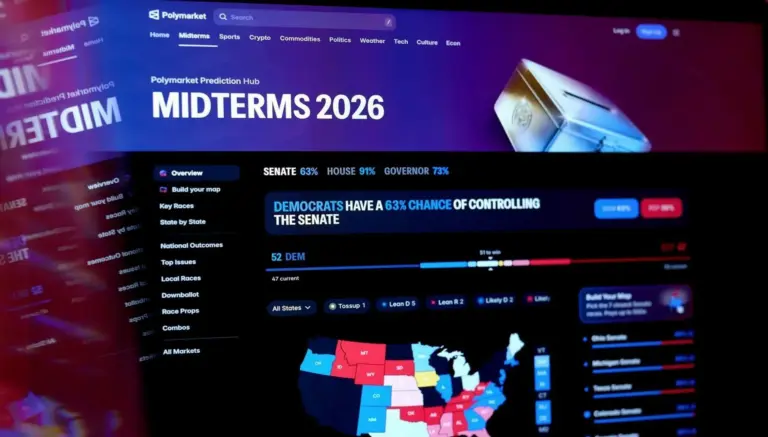

Polymarket is working with United Kingdom law enforcement following a security breach that allowed hackers to siphon funds from several users on its international exchange. The incident came to light Thursday afternoon when traders began reporting unauthorized withdrawals across social media, prompting the platform to temporarily halt all trading activity. While the company confirmed that its U.S. operations remained secure, the vulnerability appeared linked to a compromise at DebugBear, a UK based website performance monitoring service used by the exchange.

Preliminary data suggests the scale of the theft was significant, with analysts noting that one specific account managed to withdraw at least 2.7 million dollars distributed across hundreds of different digital wallets. Polymarket acted quickly to patch the vulnerability and restored trading services by late Thursday afternoon. To mitigate the damage and maintain trust among its user base, the company has pledged to fully reimburse every trader impacted by the heist.

The timing of the attack is particularly precarious for Polymarket, as it prepares for a massive surge in traffic ahead of the November 3rd U.S. midterm elections. This isn’t the first time the decentralized finance platform has faced such hurdles; a similar event occurred back in June involving another compromised third party vendor. As investigators in Britain look into DebugBear’s role in the leak, Polymarket continues to operate without formal regulation within the United States via its Polygon blockchain infrastructure.

The dream of a never ending luxury life at sea turned into a nightmare this week for the residents of the Villa Vie Residences ship, the Odyssey. After promising a perpetual global voyage, the company abruptly suspended all operations on Tuesday, leaving passengers stranded in Cambodia with only a few hours’ notice to disembark. While the sudden shutdown felt like a shock to those on board, internal documents reveal that the company had been spiraling toward a financial breaking point for months.

An urgent memo sent in August by CEO Kathy Villalba paints a picture of a company desperate for cash to keep its engines running. In the correspondence, Villalba informed residents that the vessel had reached a critical point due to skyrocketing fuel costs linked to geopolitical instability in the Middle East. She revealed that while fuel normally cost around 450,000 dollars for their requirements, prices had nearly doubled to 800,000 dollars, creating an immediate cash flow crisis that threatened to stall the journey entirely.

The desperation started long before August. Back in April, Villa Vie reportedly attempted to secure loans from its own residents, offering high interest rates between 12 and 24 percent just to stay afloat. By the time Villalba issued her urgent plea in August, she was asking passengers to contribute funds beyond their contractual obligations to save their floating home. Despite efforts to cut costs by canceling stops such as Brunei and sailing at slower speeds, the financial gap proved insurmountable.

Founder Mikael Petterson described the situation as a cascading effect where surging energy prices eventually collapsed the business model. Now, those who invested in what was supposed to be a permanent sanctuary at sea find themselves displaced and searching for answers. Neither Petterson nor Villalba responded immediately to requests for further comment as former residents grapple with the loss of both their investment and their home.

The United States economy showed surprising strength in the third quarter, growing at an annualized rate of 3.4 percent through September. This latest figure from the Commerce Department beat analyst predictions of 3.1 percent and represents a notable acceleration from the growth seen earlier this year. Much of this momentum was driven by steady consumer spending and a rise in business investments, suggesting that Americans are continuing to shop despite the pressure of rising costs.

While general consumption remained robust, the burgeoning artificial intelligence sector played a complex role in these numbers. Massive corporate investments in data centers and specialized chips provided a significant boost to economic activity. However, because many of those essential semiconductors are imported, those costs actually acted as a drag on the final GDP calculation, which subtracts imports to focus purely on domestic production.

This resilience comes during a period of intense volatility sparked by geopolitical tensions and surging inflation. To combat price hikes that reached 3.7 percent in September, Federal Reserve Chair Kevin Warsh has maintained a hawkish stance toward monetary policy. Although the Fed chose to hold rates steady this week, markets indicate a high probability of another interest rate hike in December to bring inflation closer to the central bank’s 2 percent target.

Warsh expressed cautious optimism regarding the country’s trajectory but emphasized that bringing down inflation remains his top priority. The challenge for policymakers moving forward is finding a delicate balance between cooling off price increases and avoiding an overly aggressive tightening cycle that could stifle growth or damage a historically strong labor market just as voters head to the polls for midterms_