Archive

October 30, 2026

Browsing

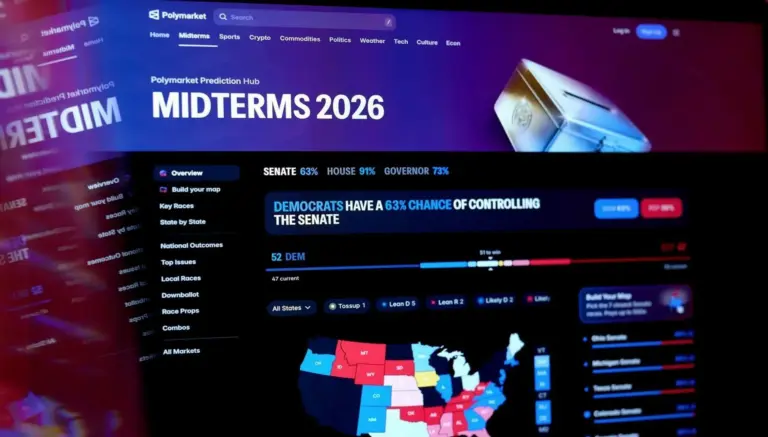
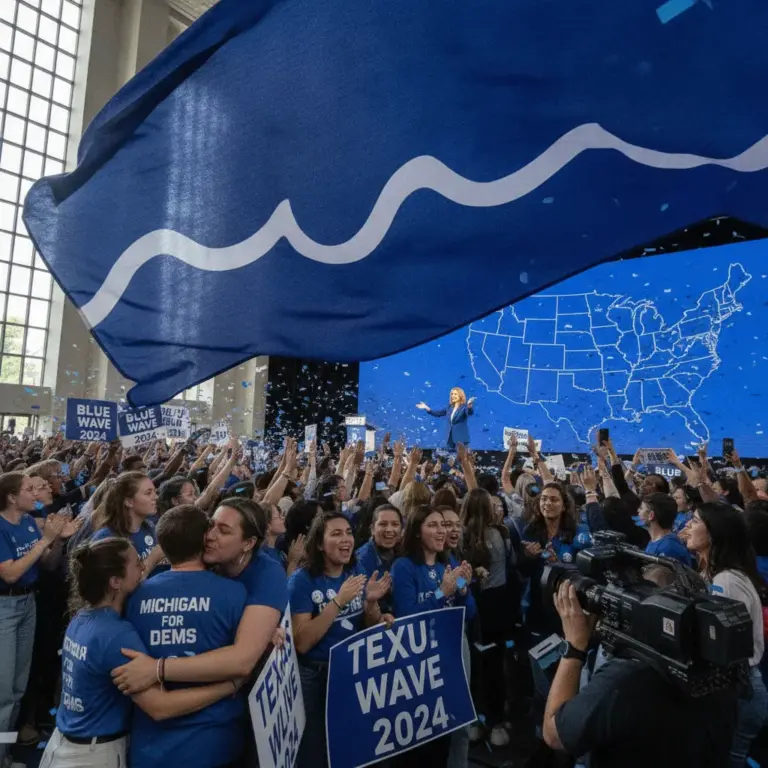
Optimism is surging among Democrats as the midterm elections approach, fueled by a significant shift in projections from Inside Elections. The forecaster moved 63 races into the Democratic column this week, signaling a potential path toward seizing a Senate majority. This momentum is further supported by recent CNN polling showing Democratic candidates holding leads in key battleground states like Michigan and Texas, suggesting that voters may be treating these contests as a direct referendum on President Donald Trump.

While Democrats find wind in their sails, the Republican camp is dealing with several distractions and controversies. President Trump recently sparked a media firestorm after canceling a scheduled weekend rally in Kansas. When questioned by reporters about whether the decision was linked to his personal stamina or the precarious standing of Senator Roger Marshall, Trump lashed out at the press. White House officials attempted to smooth over the situation by stating that the president is simply shifting his strategy toward a series of virtual events.

Beyond the campaign trail, legal battles are intensifying across several states. In Alaska, the Justice Department has accelerated a criminal investigation into allegations that Democrats tried to deceive voters by fielding a candidate with the same name as an incumbent senator. Meanwhile, in California, federal authorities are locked in a heated dispute over voter eligibility, issuing grand jury subpoenas to local election officials in an attempt to purge suspected noncitizens from the voting rolls.

The political climate remains equally volatile at the gubernatorial level. In Ohio, Republican nominee Vivek Ramaswamy faced widespread bipartisan condemnation for an ad featuring his opponent’s estranged mother. Following pressure from high ranking members of his own party and public outcry regarding sensitive family history involving sexual abuse, Ramaswamy’s campaign finally pulled the advertisement from the airwaves after spending millions to promote it.
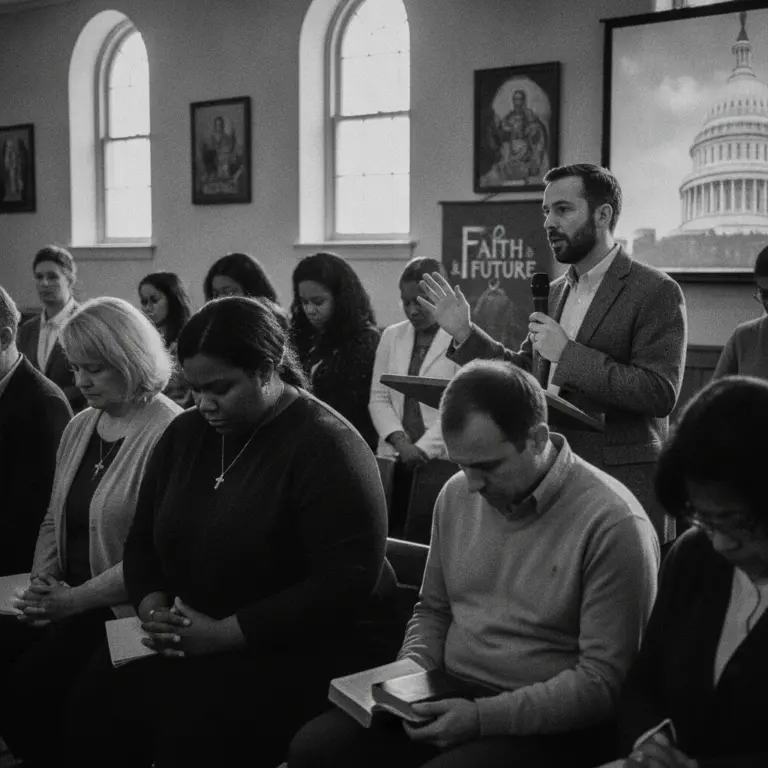

As the United States edges closer to the 2026 midterm elections, the intersection of personal belief and public policy is becoming impossible to ignore. In a recent conversation with WCCO’s Adam Duxter, Dan Hofrenning, a political science professor at St. Olaf College, highlighted how deeply ingrained faith continues to drive voter behavior and candidate platforms across the country. According to Hofrenning, these spiritual convictions are not merely background noise but are actively shaping the strategies used to mobilize voters during this critical election cycle.

The influence of religion is manifesting in various ways throughout Minnesota and beyond, often serving as both a unifying force and a point of contention. While some candidates lean into their faith to build trust with specific constituencies, other religious groups are taking an active stand against divisive rhetoric. This trend was recently evident as local faith leaders organized protests against campaign advertisements that they claimed unfairly targeted the state’s Somali community, demonstrating that spirituality can also act as a catalyst for social justice and communal protection.

Ultimately, the presence of faith in American politics reflects a broader struggle over values and identity in an increasingly polarized landscape. As professors like Hofrenning observe, the way voters translate their private beliefs into political action often decides the outcome of tight races. With several key districts currently seen as deciding factors for party control in the U.S. House, the invisible hand of faith may well be one of the most powerful drivers determining who holds power in Washington come November.

DoorDash is making its most ambitious move yet with a plan to acquire Instacart in a deal valued at 17 billion dollars. This massive merger aims to transform the landscape of home delivery by blending restaurant meals with comprehensive weekly grocery shopping. By integrating Instacart’s specialized logistics into its own existing network, DoorDash hopes to create a powerhouse capable of competing more effectively against titans like Amazon.

The strategic shift comes as the appetite for standard restaurant delivery begins to level off. According to analysts, the real opportunity for growth now lies in high-value orders such as household essentials and full pantry restocking. For DoorDash, buying Instacart provides an immediate solution to some of the trickiest parts of the business, including picking fresh produce and managing substitutions without frustrating the customer.

Under the terms of the agreement, DoorDash will pay 65 dollars per share, representing a significant premium over recent trading prices. While the two companies intend to operate independently until the deal closes around late 2027 or early 2028, they expect the combined entity to vastly increase store availability for users. Once merged, customers should have access to roughly 150,000 different stores through their apps.

However, the path toward completion may face hurdles from government regulators concerned about market consolidation. In New York City, officials have already expressed skepticism about another mega-corporation expanding its reach, particularly following previous disputes regarding worker pay. Despite these concerns, executives from both firms believe the union will drive innovation and make digital shopping more affordable for millions of families.

The American economy is presenting a complicated puzzle for policymakers as the latest data reveals a tug of war between persistent price hikes and surprisingly robust growth. According to the Commerce Department, the Federal Reserve’s favorite measure of inflation drifted further away from its goal in September, with the personal consumption expenditures index climbing to 3.6 percent annually. While these numbers aligned with what many economists had predicted, they highlight a frustrating reality for those hoping for a quick return to stability, as both headline and core inflation hit their highest levels since May.

Despite the lingering sting of rising costs, the broader economy appears remarkably resilient. Third quarter gross domestic product grew at an annualized rate of 3.4 percent, comfortably beating forecasts and signaling that consumer spending remains a powerful engine for national growth. This surge was supported by strong personal consumption and high levels of federal government spending, suggesting that demand is still humming along even as buyers feel the pinch at the checkout counter.

This combination of hot growth and sticky inflation puts the Federal Reserve in a difficult position regarding future interest rates. Market analysts note that while the central bank recently held rates steady, the current economic climate may force another tightening move soon. With consumers continuing to spend despite falling savings rates, there is growing speculation among investors that a rate hike in December is likely necessary to keep inflation from spiraling further upward.

Wall Street reacted cautiously to the mixed news on Thursday morning, with major indices including the S&P 500 and Nasdaq sliding following the reports. Investors seem wary that the very strength fueling GDP growth could inadvertently prolong the fight against inflation, leaving them caught between cheering for a booming economy and fearing higher borrowing costs through next year.

Polymarket is working with United Kingdom law enforcement following a security breach that allowed hackers to siphon funds from several users on its international exchange. The incident came to light Thursday afternoon when traders began reporting unauthorized withdrawals across social media, prompting the platform to temporarily halt all trading activity. While the company confirmed that its U.S. operations remained secure, the vulnerability appeared linked to a compromise at DebugBear, a UK based website performance monitoring service used by the exchange.

Preliminary data suggests the scale of the theft was significant, with analysts noting that one specific account managed to withdraw at least 2.7 million dollars distributed across hundreds of different digital wallets. Polymarket acted quickly to patch the vulnerability and restored trading services by late Thursday afternoon. To mitigate the damage and maintain trust among its user base, the company has pledged to fully reimburse every trader impacted by the heist.

The timing of the attack is particularly precarious for Polymarket, as it prepares for a massive surge in traffic ahead of the November 3rd U.S. midterm elections. This isn’t the first time the decentralized finance platform has faced such hurdles; a similar event occurred back in June involving another compromised third party vendor. As investigators in Britain look into DebugBear’s role in the leak, Polymarket continues to operate without formal regulation within the United States via its Polygon blockchain infrastructure.

The dream of a never ending luxury life at sea turned into a nightmare this week for the residents of the Villa Vie Residences ship, the Odyssey. After promising a perpetual global voyage, the company abruptly suspended all operations on Tuesday, leaving passengers stranded in Cambodia with only a few hours’ notice to disembark. While the sudden shutdown felt like a shock to those on board, internal documents reveal that the company had been spiraling toward a financial breaking point for months.

An urgent memo sent in August by CEO Kathy Villalba paints a picture of a company desperate for cash to keep its engines running. In the correspondence, Villalba informed residents that the vessel had reached a critical point due to skyrocketing fuel costs linked to geopolitical instability in the Middle East. She revealed that while fuel normally cost around 450,000 dollars for their requirements, prices had nearly doubled to 800,000 dollars, creating an immediate cash flow crisis that threatened to stall the journey entirely.

The desperation started long before August. Back in April, Villa Vie reportedly attempted to secure loans from its own residents, offering high interest rates between 12 and 24 percent just to stay afloat. By the time Villalba issued her urgent plea in August, she was asking passengers to contribute funds beyond their contractual obligations to save their floating home. Despite efforts to cut costs by canceling stops such as Brunei and sailing at slower speeds, the financial gap proved insurmountable.

Founder Mikael Petterson described the situation as a cascading effect where surging energy prices eventually collapsed the business model. Now, those who invested in what was supposed to be a permanent sanctuary at sea find themselves displaced and searching for answers. Neither Petterson nor Villalba responded immediately to requests for further comment as former residents grapple with the loss of both their investment and their home.

The United States economy showed surprising strength in the third quarter, growing at an annualized rate of 3.4 percent through September. This latest figure from the Commerce Department beat analyst predictions of 3.1 percent and represents a notable acceleration from the growth seen earlier this year. Much of this momentum was driven by steady consumer spending and a rise in business investments, suggesting that Americans are continuing to shop despite the pressure of rising costs.

While general consumption remained robust, the burgeoning artificial intelligence sector played a complex role in these numbers. Massive corporate investments in data centers and specialized chips provided a significant boost to economic activity. However, because many of those essential semiconductors are imported, those costs actually acted as a drag on the final GDP calculation, which subtracts imports to focus purely on domestic production.

This resilience comes during a period of intense volatility sparked by geopolitical tensions and surging inflation. To combat price hikes that reached 3.7 percent in September, Federal Reserve Chair Kevin Warsh has maintained a hawkish stance toward monetary policy. Although the Fed chose to hold rates steady this week, markets indicate a high probability of another interest rate hike in December to bring inflation closer to the central bank’s 2 percent target.

Warsh expressed cautious optimism regarding the country’s trajectory but emphasized that bringing down inflation remains his top priority. The challenge for policymakers moving forward is finding a delicate balance between cooling off price increases and avoiding an overly aggressive tightening cycle that could stifle growth or damage a historically strong labor market just as voters head to the polls for midterms_